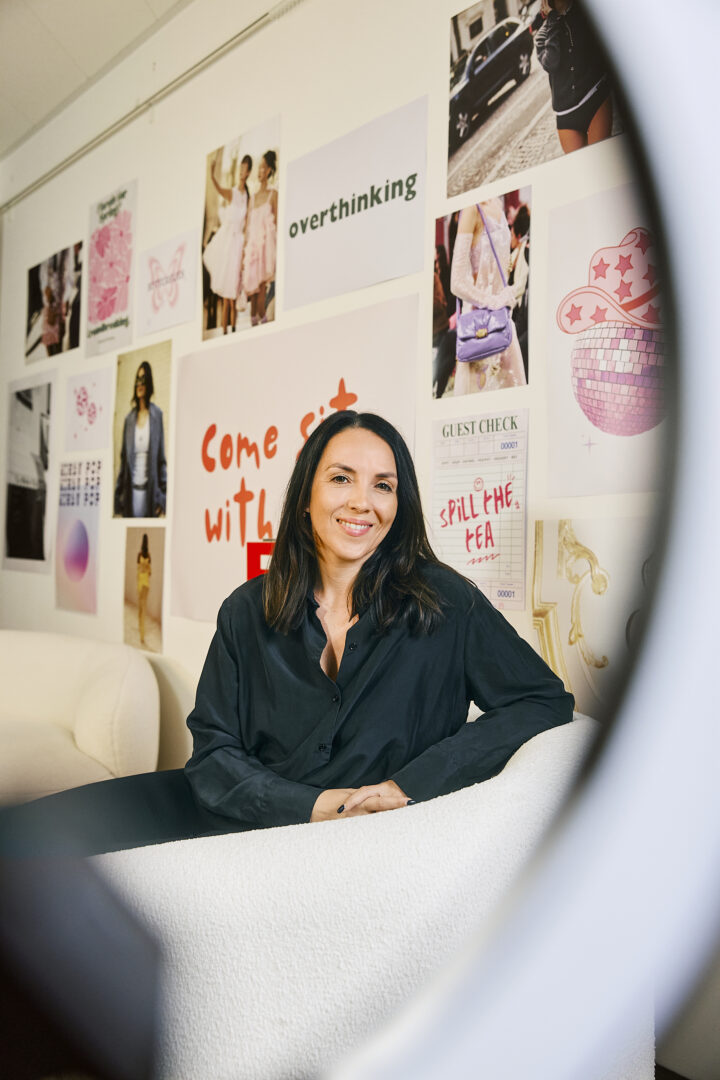
Bianka Morgen From “InStyle Gen Z”: How Print Inspires the Young Audience
With “InStyle Gen Z,” a young editorial team at Hubert Burda Media translates digital trends onto paper—as an aesthetic counterpart to the TikTok craze. A conversation with digital editor-in-chief Bianka Morgen about fast-paced magazine production, diversity without exclamation marks, and authentic storytelling for Gen Z.
Bianka, does Gen Z really still buy and read print products?
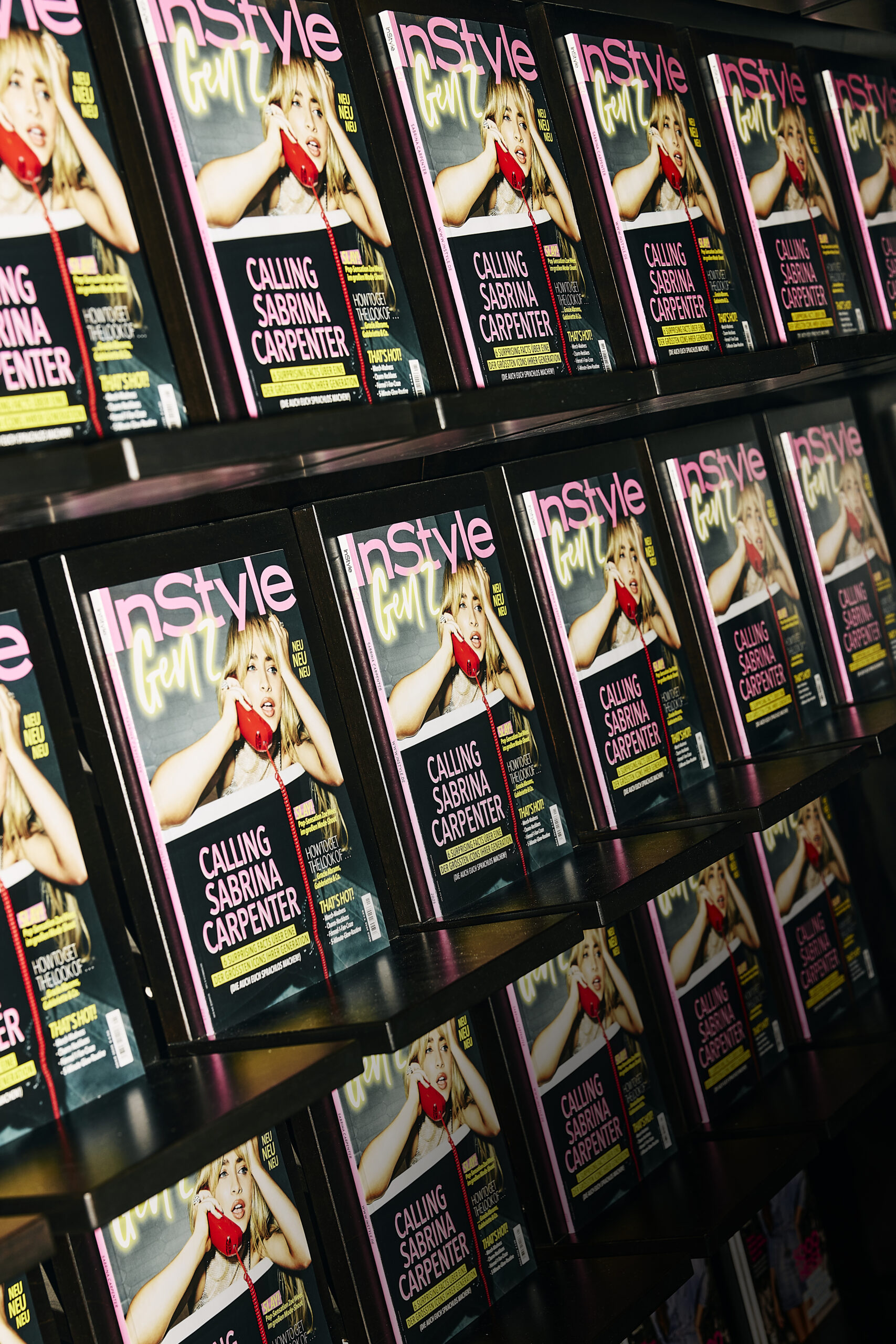
Bianka Morgen: Our sales figures speak for themselves. Of course, print is no longer an everyday medium for Gen Z, but rather a collector’s item. But “InStyle Gen Z” was very well received and we are planning two issues for next year.
Do we too often forget that Gen Z wants lean-back moments alongside the hustle and bustle of TikTok?
Morgen: We are experiencing a print revival because people simply want to switch off. My young colleagues tell me time and again that they take conscious breaks from social media. Many need these moments of escape and recognize the added value of a print magazine over TikTok.
How exactly did you define the target audience for “InStyle Gen Z”?
Morgen: We target 14- to 28-year-olds who enjoy fashion, beauty, and lifestyle topics that fit with “InStyle.”
There are a lot of high-end products and brands in the magazine. Does that also indicate the purchasing power of your target audience?
Morgen: InStyle is generally very democratic in the products and topics we feature. You can find everything from H&M to Gucci in our magazine. That’s our USP. The luxury sector is particularly attractive to Gen Z. Luxury brands are often the companies that set trends in fashion or beauty. Of course, people want to see them. And so the magazine features brands that inspire dreams, even if your own wallet isn’t quite ready for them yet.
Authentic advertising environment with impact
How easy or difficult was it for you to find advertising partners for “InStyle Gen Z”?
Morgen: Not difficult at all, we’ve gained some great partners. There are many customers and companies that are now venturing into Gen Z. But they often find it difficult to find a good environment in which they can approach this generation authentically. Being featured in a magazine that readers sit down with and engage with for longer than a 15-second video is a great opportunity. Of course, an ad in a print magazine can’t be tracked in the same way as a post on social media. But with print, there’s no second screen; people really read. And what they read sticks in their memory in a different way.
How does the “Gen Z” line extension differ from the main magazine?
Morgen: We changed the look, making it rougher and more collage-like, and used Gen Z language. Gen Z is very influenced by social media. We’ve translated the trends we see digitally that move this generation into print – such as a book club based on the BookTok model. Of course, the topics and protagonists are also different.

What topics are important to Gen Z?
Morgen: On the one hand, there are the classic topics that we also cover in “InStyle”: fashion, beauty, and lifestyle. But there’s also a lot of pop culture. Pop singers are making a big comeback among Gen Z, even though pop music hasn’t been that popular for a long time. Diversity is also a topic that must always be present in a medium that serves Gen Z. Indirectly and naturally. For example, we photographed singer Zoe Wees for a feature, and she is not a classic size zero. We also considered the topic of gender diversity. Inclusivity is always a factor, and that is also what Gen Z expects from a magazine like this.
Editorial board instead of ivory tower
What other expectations does Gen Z have of such a product?
Morgen: Authenticity. “Relatable” is a word we heard quite often. A magazine aimed at young people cannot be designed in a top-down manner. No editor-in-chief “up there” can simply dictate what’s trendy. That doesn’t work anymore these days because trends often originate on social media. And the trends from Fashion Week are accessible to everyone, virtually live. As a magazine, we no longer act as gatekeepers, but as curators who offer guidance.
How did you manage to create this authenticity?
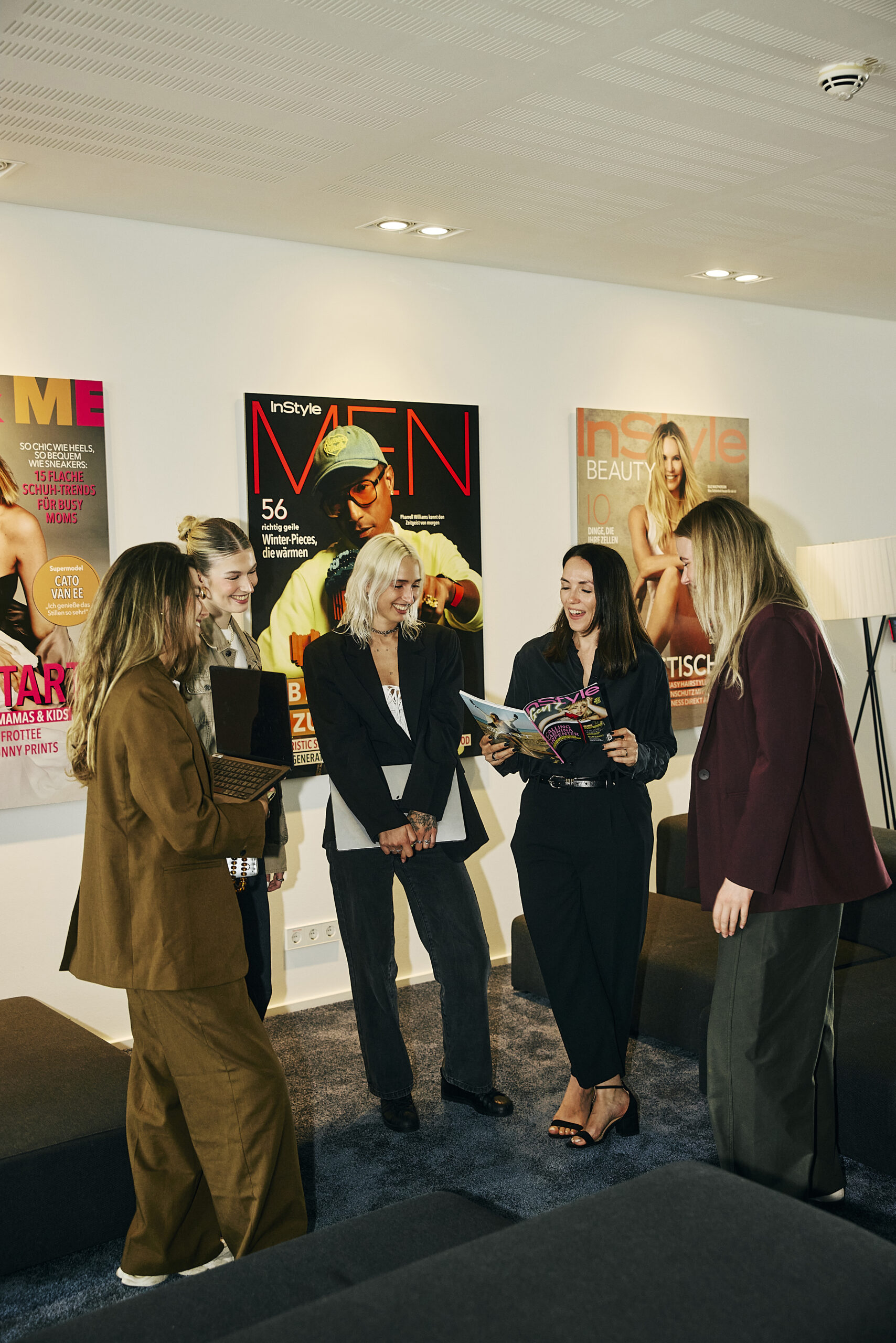
Morgen: It’s a magazine by Gen Z for Gen Z. In addition to the young colleagues in our team, we brought in an editorial board. We thought long and hard about who to include. It was important to us that they were representatives of Gen Z who work a lot with the target group and cover as broad a spectrum of interests as possible. Among others, we chose Laura Abla, who does a lot of fashion and beauty, but is also very humorous. Karlotta Nila brings an aesthetic that is more preppy. Pati Valpati is an author and journalist who talks a lot about psychological topics. Yothin Khamwandi brings a wealth of styling expertise to the table, and Emma Svenningson comes from the food sector. These are people who don’t really have anything to do with print. Their day-to-day business is social media; they think in terms of videos and posts. I found it very exciting to see their perspective on the magazine.

Ein junges Heft darf nicht top-down sein. Keine Chefredakteurin ‚da oben‘ darf einfach erzählen, was angesagt ist.
Bianka Morgen
How exactly did the collaboration with the editorial board work?
Morgen: We had traditional topic conferences, both digital and in person. We discussed who would be on the cover and reviewed the cover designs together, right down to the colors and headlines. The creators also had their own stories in the magazine. So the editorial board was fully involved. The rest of the editorial team was the core team of “InStyle.” The younger colleagues were much more involved.
Was there anything you found particularly challenging in the implementation?
Morgen: Lots of topics, little space. And how fast it has to go now: In the past, there were development editorial teams that spent six months fine-tuning an issue. Today, all our line extensions are created on the go. The concepts, the topics, the visuals are done on the fly because we have to keep up with digital and trends change quickly. That’s challenging. This issue was also created within four to six weeks.
What role did influencer marketing play in promoting this issue?
Morgen: An important one, because influencers are the icons of this generation. They also feature in the magazine as protagonists and on the editorial board. What’s also exciting for us is that we can create synergy: we bring our reach, and the influencers bring theirs. Conversely, print is also incredibly attractive for influencers. They want to be featured in our magazine; for many, it’s a kind of accolade to appear there.
“Come sit with us”: the podcast next to the magazine
How do you promote “InStyle Gen Z” on social media?
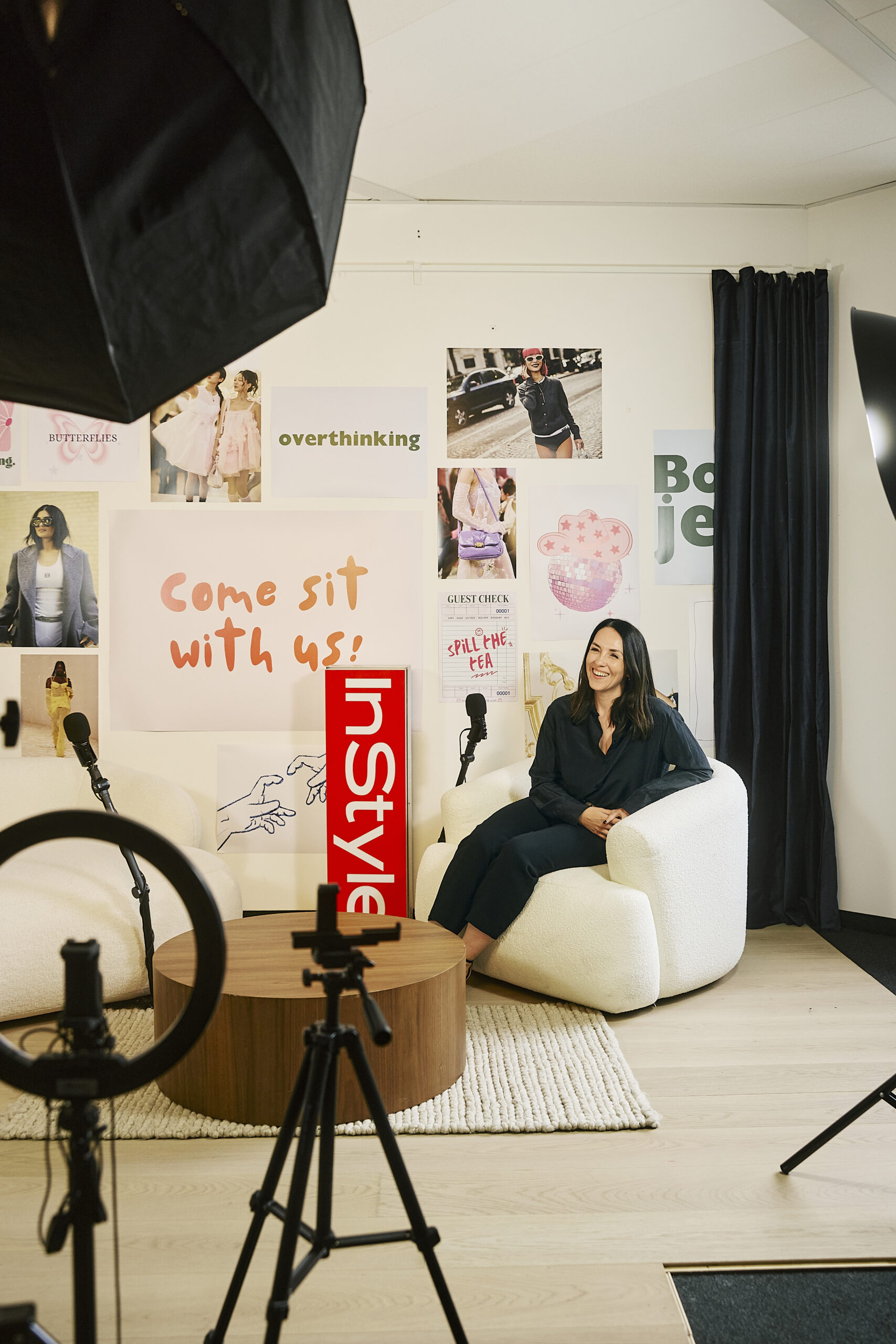
Morgen: We have integrated “InStyle Gen Z” into our main TikTok account. You can recognize the content by a cornerback at the top of the video. We also see potential in podcasts. We are all on the go a lot, and listening to podcasts fits very well into everyday life. We also promote the Gen Z podcast “Come sit with us” as a video podcast because YouTube and long video formats in general have established themselves as a parallel trend to the fast-paced world of TikTok among Gen Z.
What is the content concept behind “Come sit with us”?
Morgen: The podcast is released weekly and is hosted by our social media manager Angela Gundolf. She has different interview guests each week: in the long formats, we invite creators from the target group and talk about topics that are important to Gen Z. This alternates with shorter episodes that last 20 to 30 minutes. Colleagues from the editorial team are guests and talk about topics such as BookTok. The great thing about the podcast is that it is released weekly. This allows us to be much more up-to-date than in the magazine and quickly jump on topics. In terms of marketing, podcasts are still a new topic for many customers, so there is still incredible potential and room for growth.
How do you measure the success of a print magazine like this?
Morgen: We look at the sales figures, of course. But we received an enormous amount of direct feedback on this particular issue. I wouldn’t have thought that Gen Z was the generation that writes a lot of reader emails. But we received a lot of comments, for example under the podcast. For a journalist, that’s the best compliment and the best way to measure success.
What will happen in the future as Gen Z gets older? Will the magazine grow with them, or will it then be aimed more at Gen Alpha?
Morgen: I can well imagine that the target audience will simply turn to the main magazine. 20-year-olds find their place in “InStyle” just as much as 40-year-olds. Our strategy for “InStyle” line extensions is to identify gaps in the market and consider which topic we can focus on with a brand like InStyle. If it stops working one day, then we’ll do something else.
You have two issues planned for next year. Will the magazine be reevaluated then?
Morgen: We always try to be agile and respond to the market. But our last line extensions are all still there. I think InStyle Gen Z will grow into the InStyle family.
Bannerbild: Florian Generotzky

Das könnte dich auch interessieren


Mehr von XPLR: MEDIA in deinem E-Mail-Postfach
Der Newsletter von XPLR: MEDIA in Bavaria zeigt dir, wie innovativ der Medienstandort Bayern ist. Join the innovators!