
Creators Teresa Katz and Carlott Bru: “The Media Needs to Be Courageous!”
Teresa Katz and Carlott Bru are considered representative voices for Gen Z on TikTok and Instagram. One is the head of her own fashion brand, the other is a journalist and lifestyle influencer. A discussion about generational differences and how media professionals can bridge them.
Understanding younger generations
Carlott, Teresa, do you think we have a generational conflict?
Teresa Katz: Not in the way it is often portrayed in the media. Of course, age plays a role, but for me that is a manufactured conflict. People grow up differently and are socialized differently. Everyone is stuck in their own box and faces the challenge of looking into the next one or the one after that.
Carlott Bru: I agree with Teresa—much of it is constructed. But some of it isn’t. Take the issue of retirement provisions, for example. Retired people have their houses and condos, while our generation will only ever own property in exceptional cases. The fact that we place more value on work-life balance without this future prospect is something our parents’ generation cannot understand.
Teresa: That’s right. Baby boomers often don’t understand our completely changed reality. But in the end, it’s the same for all generations: everyone wants to be understood.
You have over 200,000 followers between you. How do you meet the expectations of your community?
Teresa: Above all through authenticity. But also by understanding how media works, that information has to be packaged into short units. Understanding your target audience—for our generation, that means above all showing people that they are being heard and seen. It’s about creating an honest connection. Then people will listen.
Carlott: I would just add three things: creativity, meaning offering something unexpected. Then, that the content provides real added value. And emotionality. That always works.

You can turn anything into good content – for any platform. In viral videos, you often see comments like, “I’m not really interested in the topic, but the video was just so well done.” The big media companies just need to provide the will and the manpower to make content appealing.
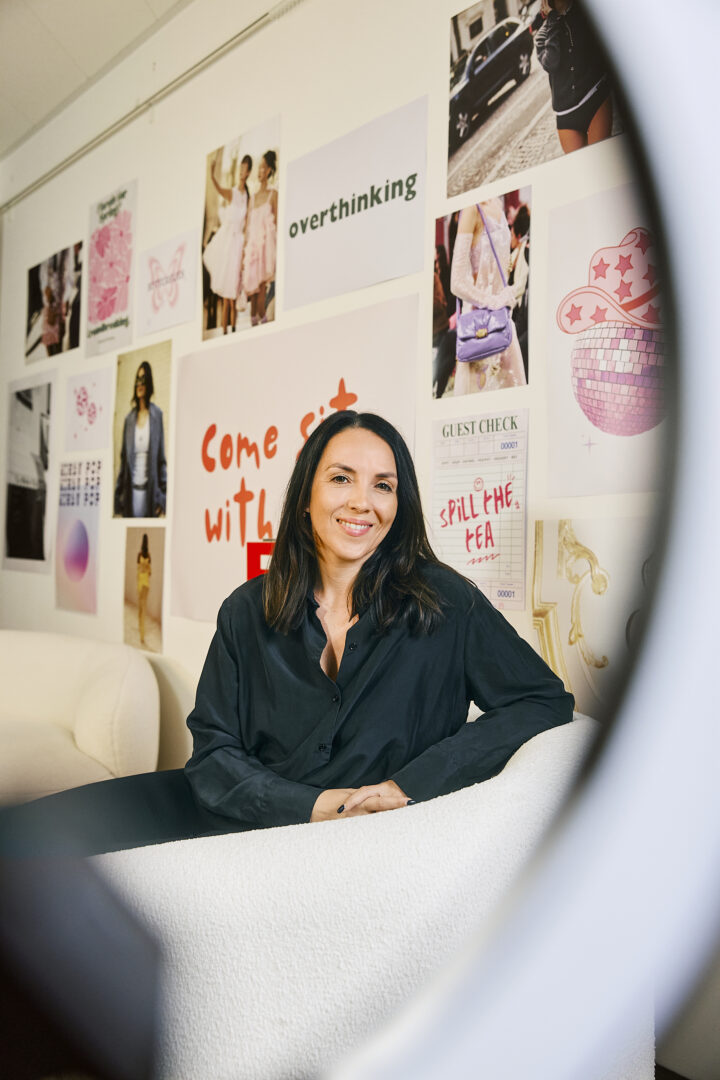
Teresa Katz
Translating journalism into digital form
What is more important: topic or format?
Teresa: I believe you can turn anything into good content—for any platform. In viral videos, you often read comments like: “I’m not really interested in the topic, but the video was just so well done.” The big media companies just need to provide the will and the manpower to prepare content in an appealing way. Nowadays, it’s no longer enough to just have journalists write articles.
Carlott: I see this every day in my job. Today’s media world needs multifunctional people who can film interviews and be authentic at the same time. There are far too few who can and want to do that.
Is the age of the creators a criterion for exclusion?
Carlott: It’s less about age than authenticity. As long as someone talks honestly about something that interests me, I listen. But of course, it’s more likely that people my age will be interested in the same topics as me.
Teresa: I’m sure I can learn a lot from someone who is 30 years older than me, but in my daily life, I identify more with Ms. Gretel, who lies in bed without makeup and says, “I don’t feel like doing anything today.” People my age already speak the language of the target group, while older people have to learn it first.
What are the limitations of social media?
Carlott: After completing my bachelor’s degree, I immediately started making videos because I thought they would interest more people than written text. However, at some point, I began to miss writing. It allows me to express my thoughts in greater depth. There is no room for that in a social media video; I have to get to the point within a minute, otherwise the algorithm penalizes me.
Teresa: For me, the biggest problem with social media is that things are presented in such a context-free and disconnected way. Everything has to be short and concise in order to be played at all. That’s another reason why we remain stuck in our pigeonholes. You can express your opinion in 60 seconds. But that’s not enough time to sort it out.
Carlott: This is exactly where traditional media has an opportunity: depth, balance, nuance. These are all things that have no place on social media.



Creating relevance
Do traditional media outlets cover the right topics?
Teresa: I definitely find topics in print media that interest me. Basically, I think the problem is that our generation no longer has the attention span to read through articles.
Carlott: In the past, there was a much greater discrepancy between what was covered in journalism and what was happening on social media. I can understand that. Trends on social media come and go very quickly, so it’s difficult for a large media company to keep up.
Teresa: I could imagine that a really good column by young people for young people could work, for example.
And what would a columnist have to talk about to get the younger generation to read it?
Teresa: Basically, it probably wouldn’t matter. Whether it’s hot takes from the Gen Z music scene, favorite TikTok trends, or clothes.
Carlott: Or politics. I think our generation is much more interested in politics than millennials were. Anything is possible. Except maybe cars—that’s a boomer topic. (both laugh)
Teresa: True. But urban mobility, for example, isn’t. That interests us. The most important thing is to speak the language of the target audience. If a columnist were actually allowed to write in their own language, including colloquialisms, I’m sure many people would enjoy it.
Does that mean the person is more important than the topic?
Carlott: In a way, yes. We live in a time when there are so many opinions and possibilities that people are looking for individuals who can help them make sense of it all. Someone they can trust.
Teresa: I would say the ratio is perhaps 70 percent personality to 30 percent content. Of course, content is important, but you can’t just put anyone in front of the camera and hope that they will be well received by Gen Z.

The industry has already received enough new impetus; it can’t keep up. So much is changing, and all media companies are already under considerable pressure. But what I can say is this: it definitely helps to accept and understand that younger generations simply think differently than older ones.
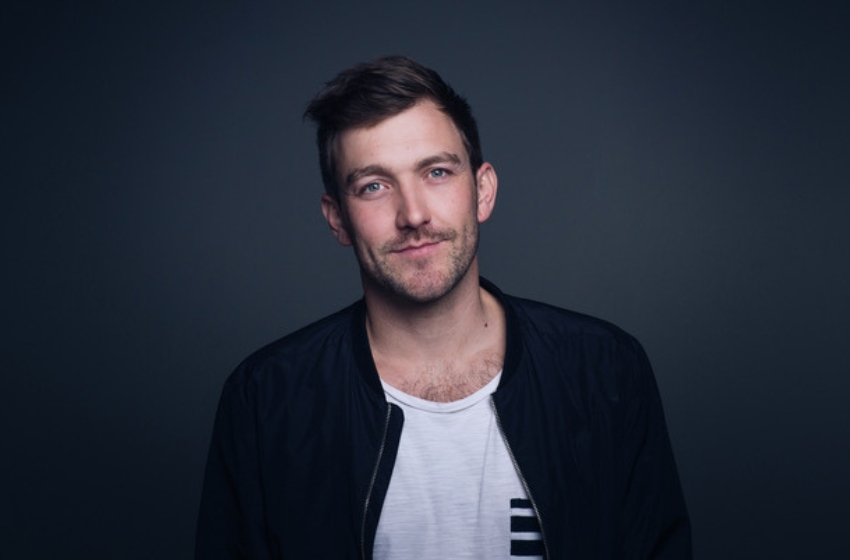
Carlott Bru
Helping to shape media change
What new ideas do media companies need to reach the younger generation?
Carlott: None whatsoever. (laughs) The industry has already received enough new ideas; it can’t keep up. So much is changing, and all media companies are already under a lot of pressure. But what I can say is that it definitely helps to accept and understand that younger generations think differently than older ones, that even as an older generation, you don’t have to be so stiff, that you can also be easygoing and relaxed.
Teresa: Just put the interns in front of the camera.
Carlott: For example! Be creative, try things out, even if they might fail. That’s exactly how social media works. Don’t be afraid to do something wrong.
Teresa: Especially because our generation in particular appreciates it when someone makes an effort. Sure, if the content isn’t good, the community will tear it apart at first. But then Gen Z often says: Thank you for at least trying. For giving us a stage. Actually, with such a courageous attitude, you can only win.
Carlott: Right. Actually, that’s what it takes first and foremost: more courage.
Bannerbild: Markus Burke
You may also be interested in




Mehr von XPLR: MEDIA in deinem E-Mail-Postfach
Der Newsletter von XPLR: MEDIA in Bavaria zeigt dir, wie innovativ der Medienstandort Bayern ist. Join the innovators!