MaibornWolff: How XR experiences become real business cases
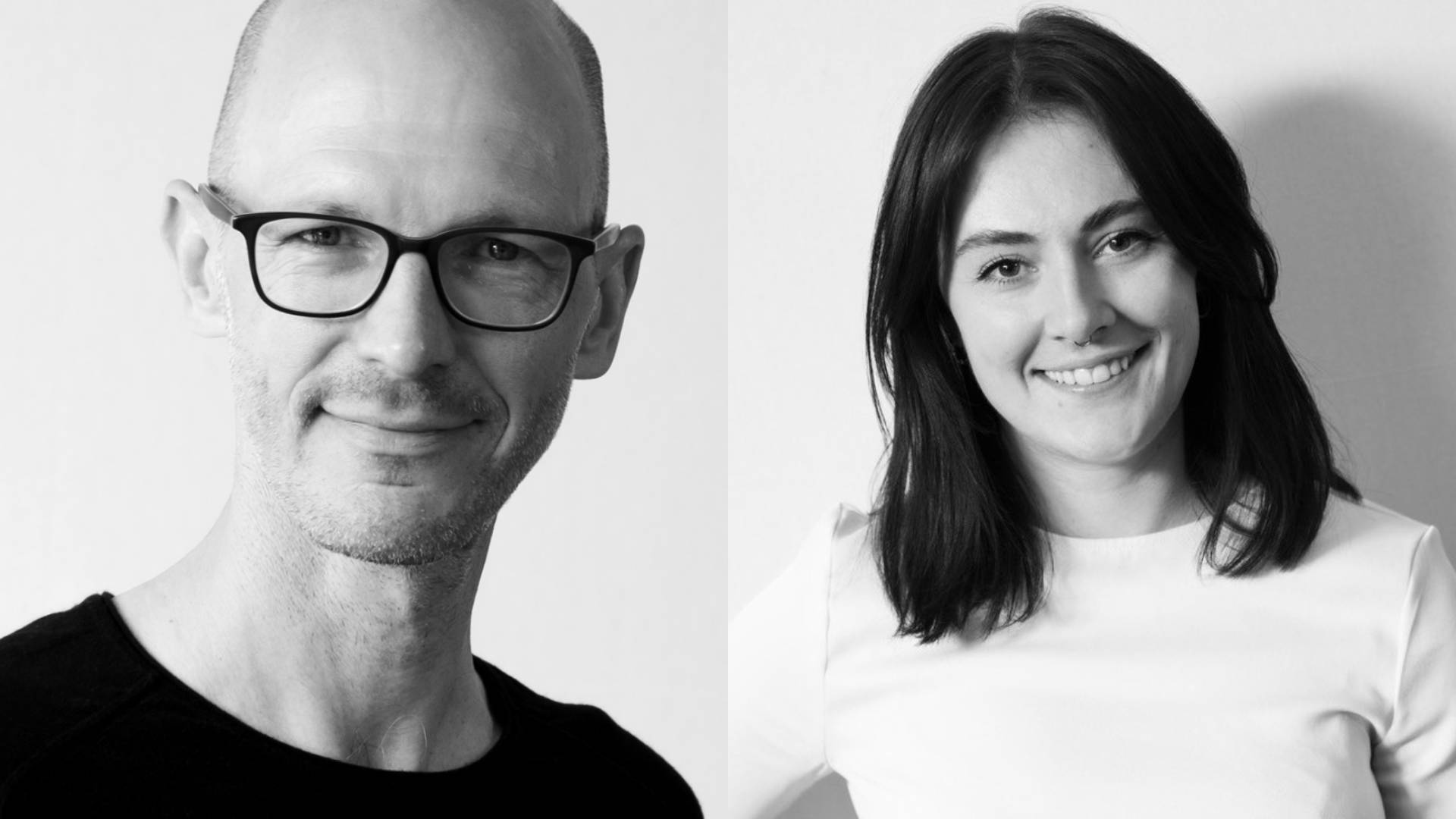
How do futuristic technologies become real business cases? At MaibornWolff in Munich, Dr. Rebecca Hein, Business Development Immersive Experiences, and Robert Vasenda, Business Development Immersive Experiences & AI-powered process optimization, are working on precisely that. As experts in mixed reality projects, which they develop together with customers, they head up the “Next Reality Lab” and combine XR technology with real added value. In this interview, they talk about the current state of the art.
MaibornWolff is an IT service provider with over 35 years of experience. What role does the media industry play for the company?
Robert Vasenda: In general, we focus primarily on mastering the technology, skills, and methods that enable us to offer benefits to our contacts. In addition to industry and the automotive sector, the media industry plays an important role for us. It helps us position ourselves in the market. We have several publishing houses and media companies as customers for whom we implement various digitization projects.
Your company also includes the “Next Reality Lab.” What was the intention behind its founding?
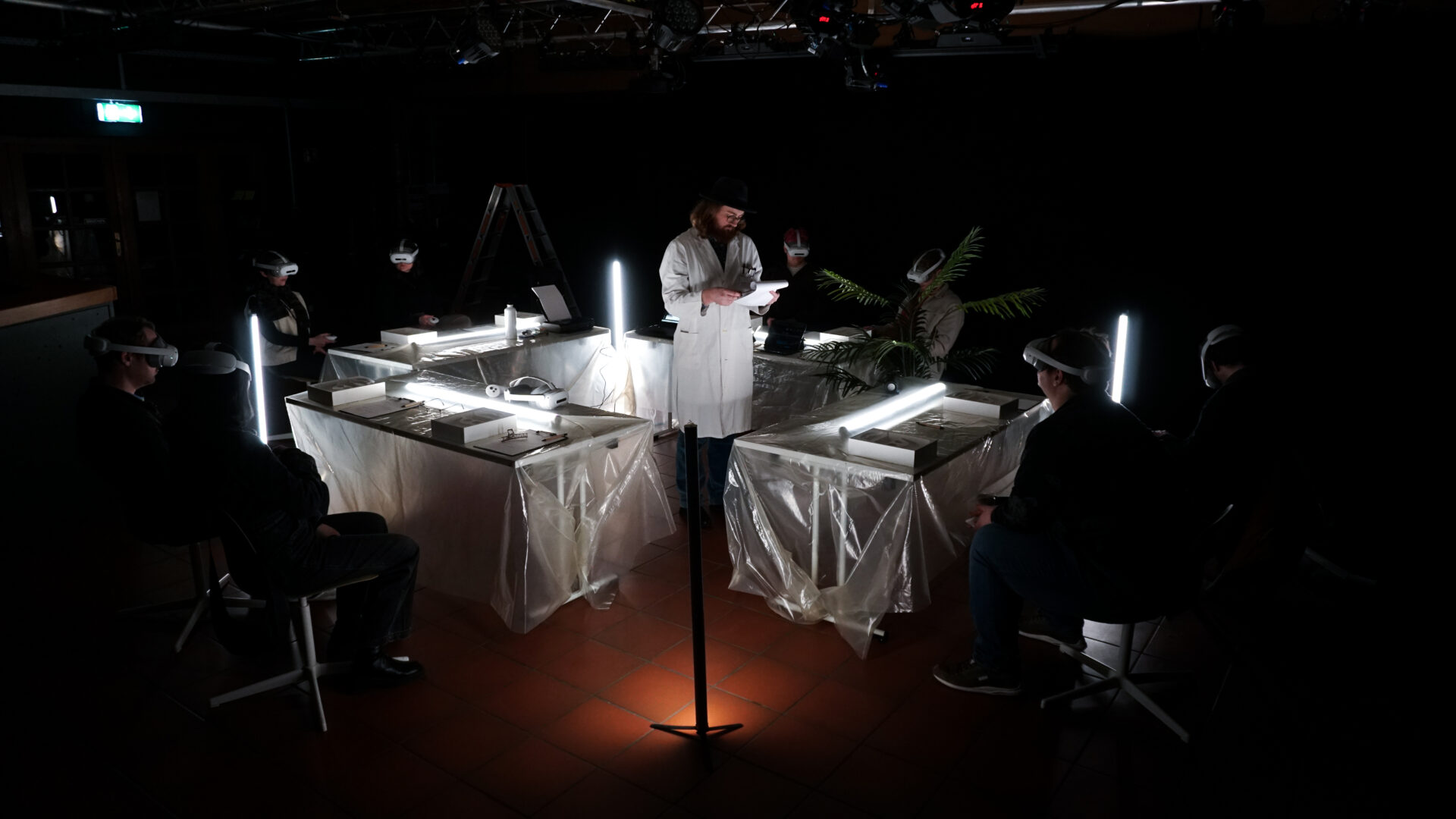
Vasenda: For me, XR has one major advantage and one major disadvantage. The advantage is that it can be used to create experiences and achieve a special effect. The disadvantage is that if you just talk about it, this effect is not present at all. That’s why we decided to create an experience room in one of our offices in Munich, where we can give guests a real taste of the various technologies.
Dr. Rebecca Hein: The Next Reality Lab is a kind of innovation engineering hub that really brings home how cool XR is and what kinds of projects it can be used for. For example, we have a use case that we call Social XR. This is an application that allows several people to be in a virtual space together. We can also show which projects we have done for which companies, which technologies we used for them, and how much effort went into them. This also makes our work more tangible for our customers.
We also regularly open the Next Reality Lab to school and university students, simply to get them excited about the technology.

Der Vorteil ist, dass man mit VR Erlebnisse erzeugen und eine Wirkung erzielen kann. Der Nachteil ist: Wenn man nur darüber spricht, dann ist diese Wirkung überhaupt nicht präsent.
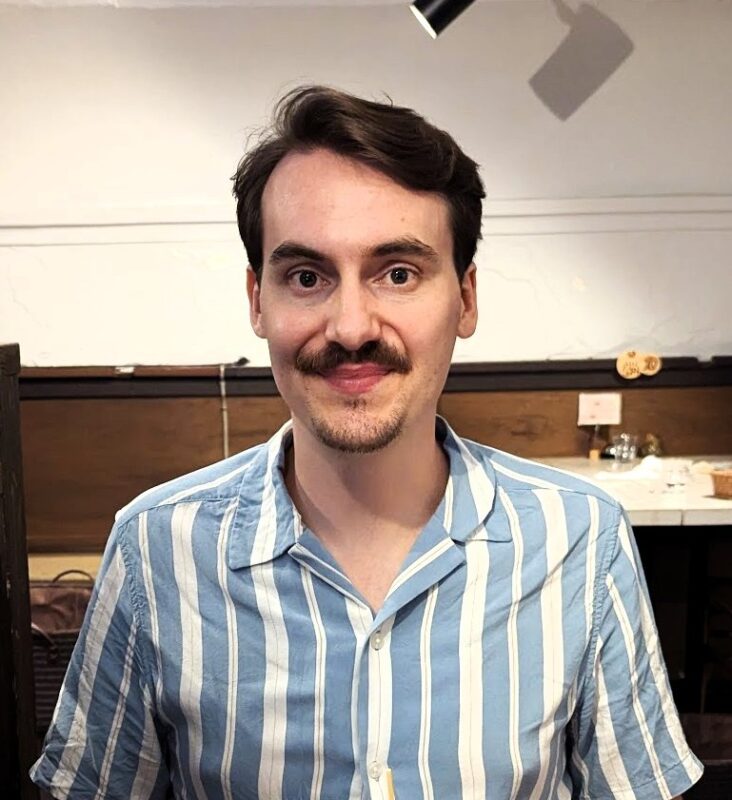
Robert Vasenda
How exactly does the Next Reality Lab work?
Dr. Hein: We are completely flexible. Sometimes a customer doesn’t know exactly what they want yet, or hasn’t had much exposure to XR. In that case, we can show them different glasses or projects. We usually have five or six use cases ready, and visitors can choose for themselves what they want to try out.
Vasenda: With customers, it always starts with a preliminary discussion in which we find out what experience the people who will be visiting us have. Are they already familiar with the glasses? Do they already have specific ideas?
Dr. Hein: Every customer is different. For example, we recently had an airline visit us. We knew that it didn’t make sense to show them VR glasses that had to be connected to a PC. On a construction site, on the other hand, helmets are mandatory, so VR glasses are out of the question, of course, and smart glasses are more likely to be considered.
One of your use cases, for example, is the “Mixed Reality: Driving a real car in a virtual world” experience for the BMW Group. What’s behind it?
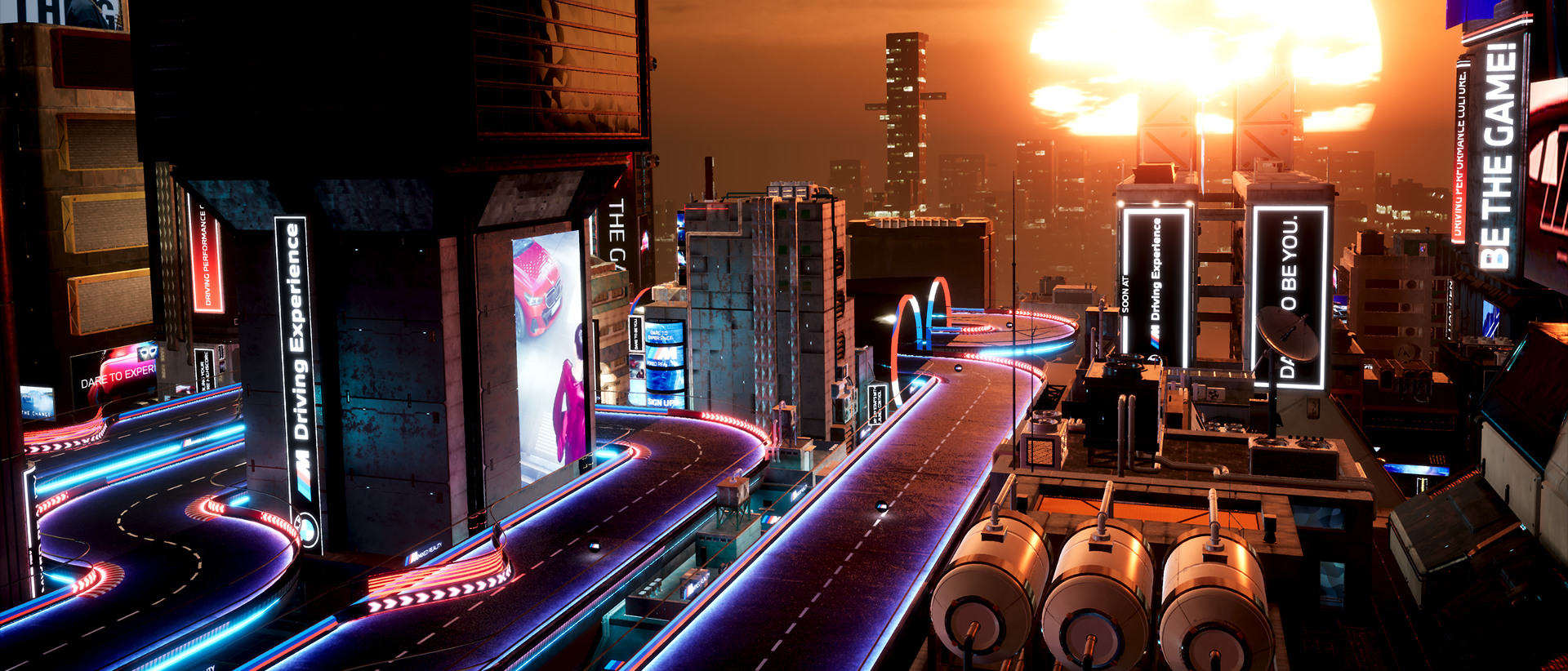
Dr. Hein: This is a project that I am very excited about. You drive a real car, but you are wearing VR glasses. You see the real driver’s seat, and virtual content is superimposed on the windows. For example, you see a race track where you can collect virtual coins. You can also drift on Mars. Recently, there was even a multiplayer mode where you can compete against each other. The test track is currently set up at an airfield in Maisach, but we are currently moving to Memmingen. You can book this experience at BMW.
Latency is always a big challenge in this VR project. Some people even feel sick when they read a book while sitting in a car. Our experts in VR and machine learning have been able to solve this challenge permanently.
Are there any examples from the media industry?
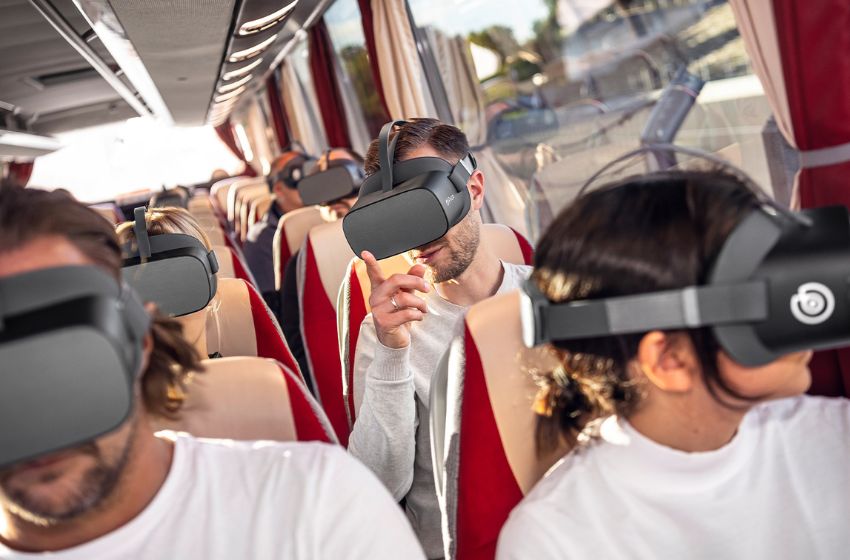
Vasenda: We offered a tour with a major business magazine, essentially making the Next Reality Lab mobile, to enable readers to immerse themselves in this topic. The magazine then advertised it as a stop on a roadshow.
How important is Bavaria as a media location for MaibornWolff?
Vasenda: We are a Munich-based company founded by Volker Maiborn and Holger Wolff. This local proximity is also reflected in our customer portfolio. We serve companies from various industries throughout Germany, but we have the best network with companies in the Bavarian region.
MaibornWolff also has offices in Tunisia, Valencia, and Rwanda. What advantages does this offer for the XR sector and the Next Reality Lab?
Vasenda: We have established locations in three other countries in order to hire highly motivated and well-educated people there. Our employees there are just as involved in projects as our colleagues in Augsburg, Frankfurt, Hamburg, or Berlin. In our day-to-day work, we have often seen how well VR can work even across long distances. We are not only connected online – with VR glasses, we meet in digital spaces.

Noch vor einigen Jahren konnte man sich kaum vorstellen, dass nahezu jede Person ein Smartphone besitzt und ständig bei sich trägt. Heute ist das selbstverständlich. Ähnlich könnte sich die Entwicklung bei XR-Brillen vollziehen: Es ist gut vorstellbar, dass in einigen Jahren viele Menschen solche Brillen im Alltag nutzen.
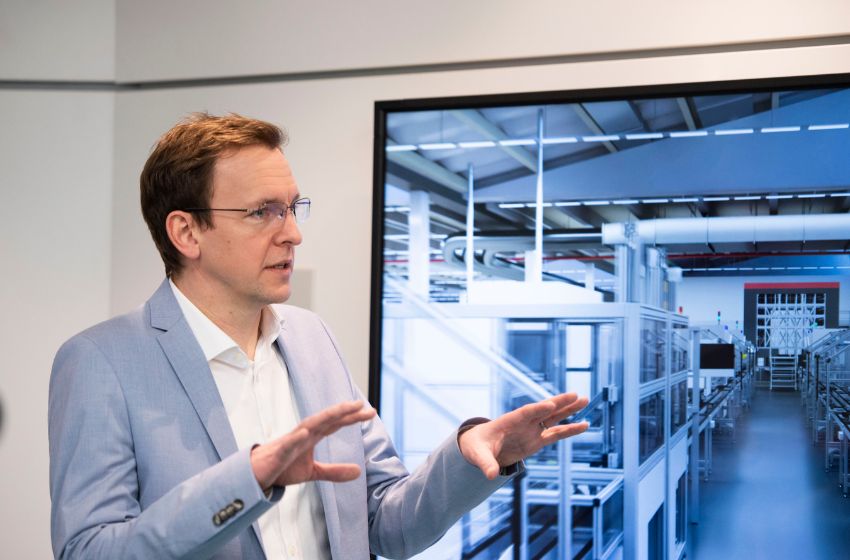
Dr. Rebecca Hein
How do you see future developments in the field of XR and media? What will change, and where will new interfaces between technology and media production emerge?
Vasenda: Personally, I don’t believe that the VR glasses we know today will become a mass phenomenon. The hurdle is too high for that. At the same time, however, we are seeing a growing number of use cases in a wide variety of industries. I suspect that the strongest growth in the future will be in a new generation of glasses, such as smart glasses, which do not yet visualize anything but have an integrated camera and speakers. They are becoming increasingly slim and smart.
Dr. Hein: Just a few years ago, it was hard to imagine that almost everyone would own a smartphone and carry it with them at all times. Today, that’s taken for granted. The development of XR glasses could follow a similar path: it’s easy to imagine that in a few years, many people will be using such glasses in their everyday lives. To achieve this, however, the devices will have to become significantly lighter, more inconspicuous, and more suitable for everyday use. Artificial intelligence is a key driver of this development. Concepts such as the Samsung Galaxy XR, for example, integrate Google’s Gemini AI. Such functions show where the journey is headed: content can be translated, explained, or summarized in context without having to actively reach for a smartphone. This is precisely where software and hardware development intersect: advances in AI enable new, natural forms of interaction, while lighter glasses, better displays, and more efficient chips create the physical conditions for XR glasses to actually become suitable for everyday use.