
Stefan Baumgartner From Well Media: “Print Is Becoming a Luxury Product”
Between rock'n'roll and mindfulness: Well Media GmbH proves that niche topics can hold their own even in a crisis-ridden print landscape. Managing Director Stefan Baumgartner explains in an interview why artificial intelligence is the most important "enabler" for small editorial teams today and what strategy he intends to use to lead the Munich-based publishing house into the future.
From “Classic Rock” to “Vegan World ” – your portfolio seems very diverse at first glance. What is the common denominator of your products?
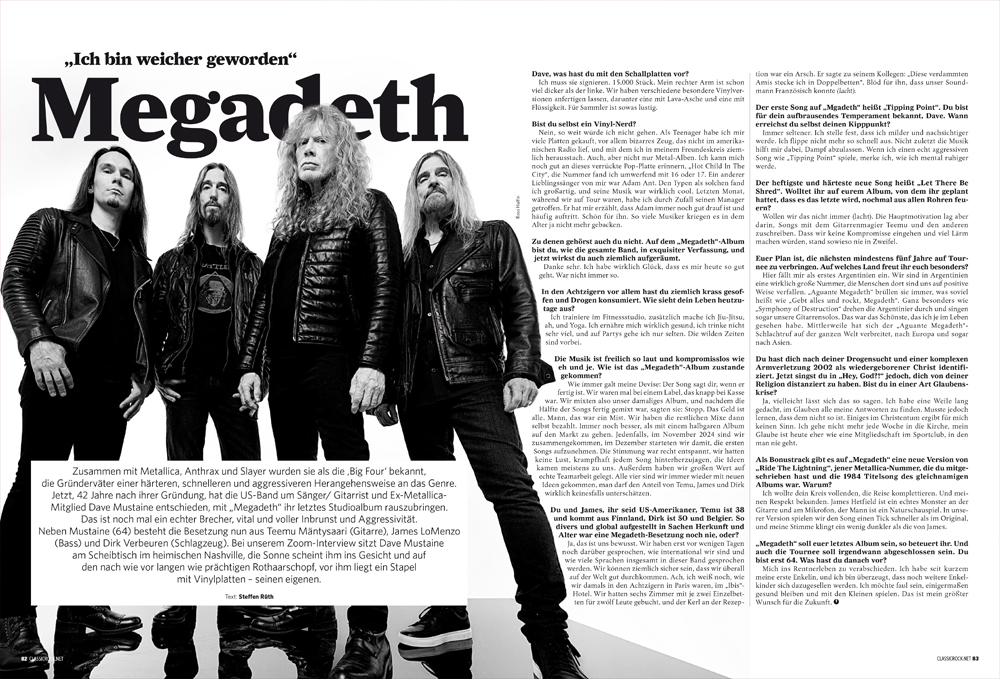
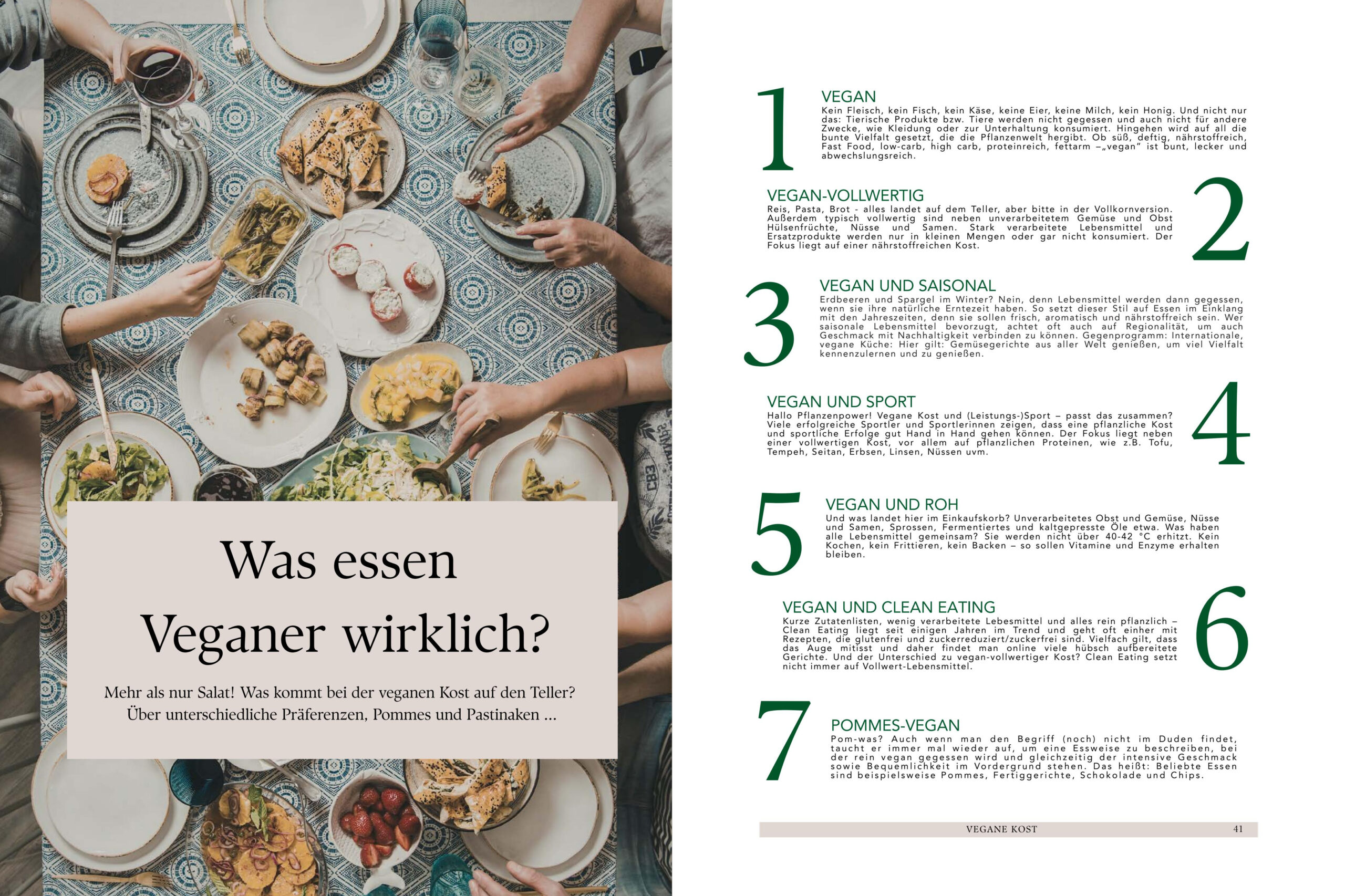
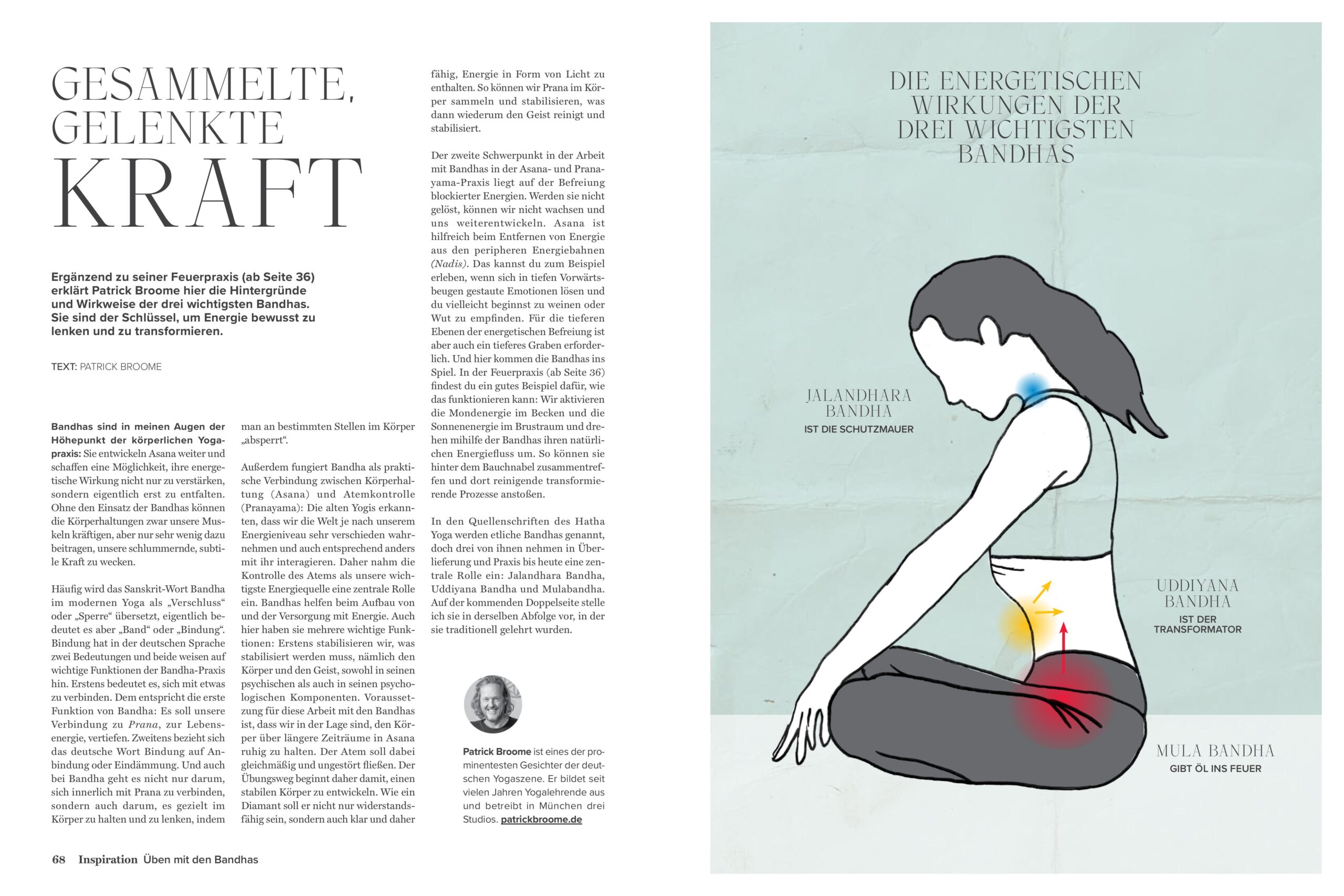
Stefan Baumgartner: About a year ago, we decided to bundle our entire publishing business into a single company. The fact that a title like “Classic Rock” now stands alongside “Yoga World” is simply because we have efficiently combined the structures. Even if the topics vary, the content is clear: we consistently operate in the very special interest environment. We serve top niches with small, fine titles for very dedicated target groups.
How are the editorial teams of the individual titles organized?
Baumgartner: There are small, specialized teams for the individual brands – one team for “Vegan World” and “Vegan News”, one for “Yoga World” and one for “Classic Rock”.
How exactly does the editorial team fill the magazines with stories and news?
Baumgartner : “Classic Rock”, for example, is a license from England. This gives us an enormous advantage in terms of access to international artists and exclusive interviews, which are more difficult to obtain from the German market. In the areas of yoga and veganism, we are now the quality authority ourselves. We are increasingly relying on technology to generate a high output, even with small teams.


What exactly does that mean?
Baumgartner : The use of AI in the translation of texts is now standard, even if we still have a native speaker edit the text. We are currently experimenting intensively with AI-supported layout. For example, we are testing tools that are trained with our own PDFs to automatically insert texts, search for images and create the magazine design more automatically in future. For “Vegan World”, we started using AI-generated illustrations alongside traditional illustrations three years ago. This speeds up the process enormously.
Does this mean that AI is already part of your normal working day?
Baumgartner: For us, artificial intelligence is an absolute enabler and there is simply no alternative in today’s market situation. We don’t use it as a substitute for creativity, but as a tool. One example: We use AI to convert print content into audio elements or podcasts with manageable effort. Setting an archive to music with traditional editors would not be financially feasible; AI makes it possible.
However, I don’t just see the issue through rose-tinted spectacles. There is a clear downside. One major risk is the dependence on US platforms. Everything we store in the cloud with US providers today is potentially used there for training purposes for their AI applications. We are therefore trying to distance ourselves more from these US providers and are specifically looking for European solutions.
In times of “digital first”, you still rely heavily on the printed magazine. Which revenue models are the most important for you today alongside advertising sales?
Baumgartner: We still love print, but the traditional magazine market has changed radically. The automatism that used to prevail – printing black letters on white paper, selling ads and magazines at the kiosk – no longer works today. Print will increasingly become a quality feature and a “premium product” for a loyal readership. We are responding to this by increasingly focusing on a good customer relationship. Retail sales at newsstands are becoming less relevant for us. We are concentrating on subscriptions, direct sales and e-mail marketing. If we have the email address and consent of our readers, we are independent of social network algorithms.
In addition to our subscriptions, we also rely on various revenue models. With the “Yoga Academy”, for example, we have created a platform for digital specialist courses and webinars on which we offer yoga training courses.
What role does social media still play for magazine titles?
Baumgartner : With the acquisition of “Vegan News”, we have a brand in our portfolio that works purely on Instagram and online and has an established community there. We also repeatedly rely on collaborations with influencers, for whom it is still a kind of “accolade” to appear in a print medium. In general, however, we don’t want to rely on social media, because organic reach is difficult to achieve these days due to algorithms.
What is Well Media’s vision for the future with its brands?
Baumgartner: I could imagine that AI will help us to internationalize our own brands “Yoga World” and “Vegan Word”. We are also currently exploring the market for a third content pillar in the area of wellbeing and conscious living in order to expand our portfolio alongside veganism and yoga.
Bannerbild: private