From AI to XR: Five Lessons Learned From Festival der Zukunft
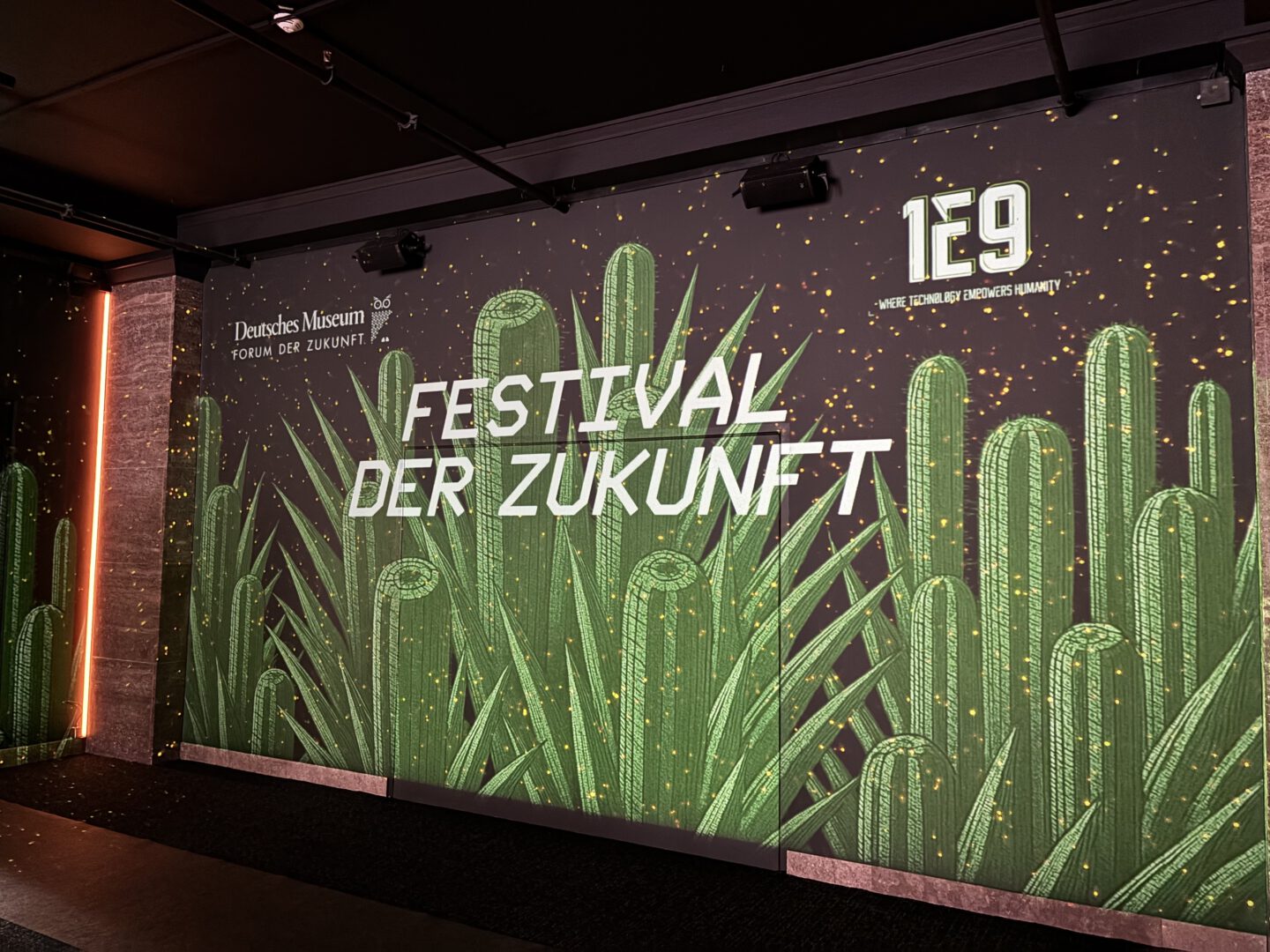
Four days full of talks, art and innovation: the 1E9 Denkfabrik once again brought the Festival der Zukunft to the Deutsches Museum Forum this year. With input on topics relating to AI, XR, sustainability and health, experts and the public drew an innovative picture of the future of tech and media. Entertainment and interactive performances were just as much a part of the program as 20 different XR exhibitions and productive workshops. Here are the five most important learnings for the media industry:
1) More action, less reaction: we need to use AI more for ourselves
“The Next Frontier of Artificial Intelligence: Can Europe Keep Up?” is the title of a panel in which Björn Ommer (LMU), entrepreneur Nicole Büttner and Reinhard Heckel (TUM) discussed Europe's AI future together with moderator Fritz Espenlaub. The central question: Will Europe be able to keep up with the big AI companies in the USA and China? The speakers were cautiously optimistic: “There is a big gap between the USA and Europe – we can manage to catch up, but it won't be easy,” clarified founder Nicole Büttner. And she says: "If Europe wants to achieve this, we need to be more proactive rather than reactive. “We have to welcome this technological development and use it to our advantage.” To do this, it is necessary not only to adopt AI models from the USA, but to become innovative ourselves – and it is precisely this attitude that has been lacking all too often in Europe to date.
2) Our attention span is shorter than that of a goldfish
Since the year 2000, our average attention span has shrunk by around a third – it is now less than the nine seconds of a goldfish. Björn Ommer, Professor at LMU Munich, explained in his keynote speech why this is the case: Digital stimuli, endless feeds and push notifications were making it increasingly difficult to stay focused. The development of AI, which provides us with a vast amount of information, is exacerbating this effect. And: “Our opinions are easy to manipulate – that makes it difficult for us to make critical decisions.” For media and tech creators, this means that content must immediately signal relevance, be clearly structured and offer real added value. At the same time, AI needs to be used responsibly. “We have to ask ourselves: do we want to control the technology or do we want it to control us?”
3) Needs are changing: new digital spaces need to be created
How do users want to act in the digital world? How can media companies respond to this? In other words, how can digital spaces be rethought in the future? The panel “From community notes to constructive journalism: digital public sphere – but better” revolved around these questions. Alexander Sängerlaub from future eins stated: "Never before have people been as disinformed as they are now. The sheer volume of information is overwhelming – and journalism is more part of the problem than the solution." His appeal: journalistic media must learn again to meet people in the reality of their lives and pick them up with constructive concepts. Krischan Lehmann from 1E9 added: "You have to create more interactivity: People want to feel like they are part of something and have a certain impact."

4) Munich is one of the most innovative media locations in the world
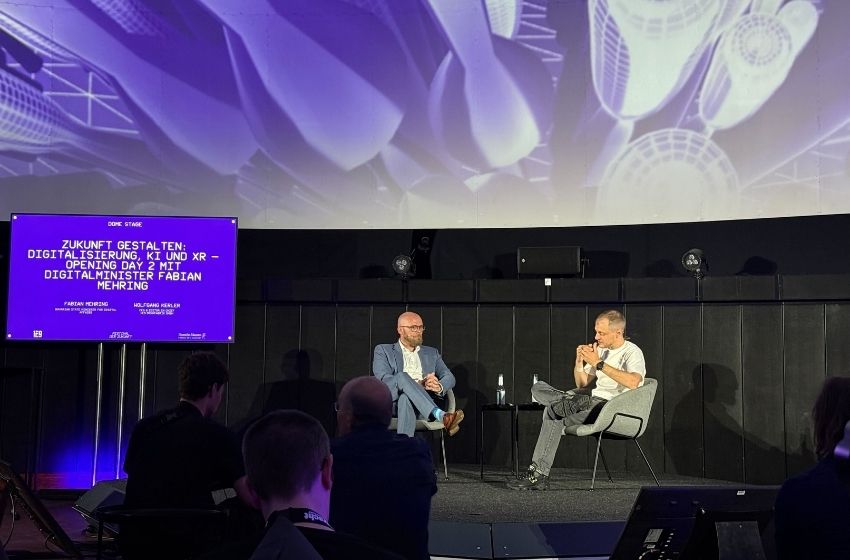
Bavarian Digital Minister Fabian Mehring kicked off the second day of the festival – and declared Munich to be one of the most innovative media locations in the world in his speech. The background to this is the recently published Global Tech Ecosystem Index 2025, which ranked Munich 17th among the top technology centers in the world. Only four European cities made it into the top 20, with Munich being the only city from Germany. “We have great research facilities, great companies and events.” At the same time, he called for more innovative spirit and the courage to embrace change: "If we want to have a new economic miracle, it has to be an AI economic miracle. We need to get into the driver's seat and become innovative ourselves instead of becoming dependent on US and Chinese developments."
5) XR is more than a gimmick – and can create real encounters
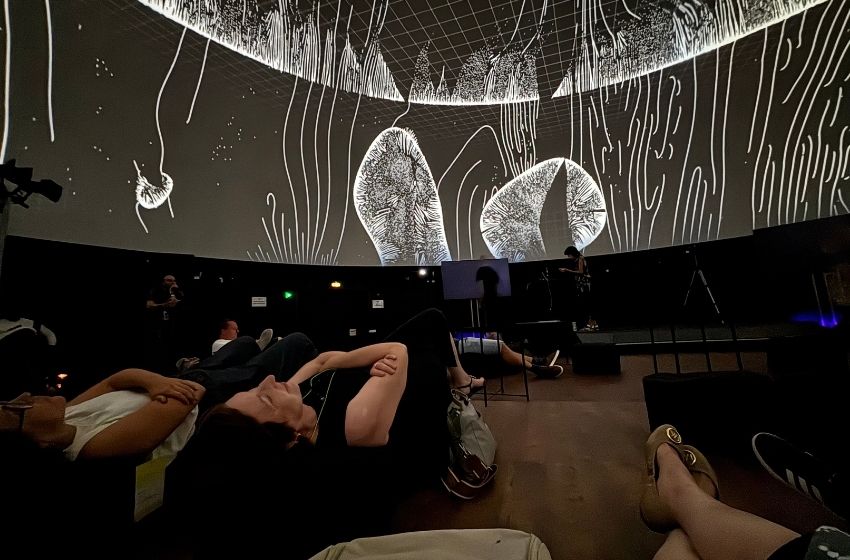
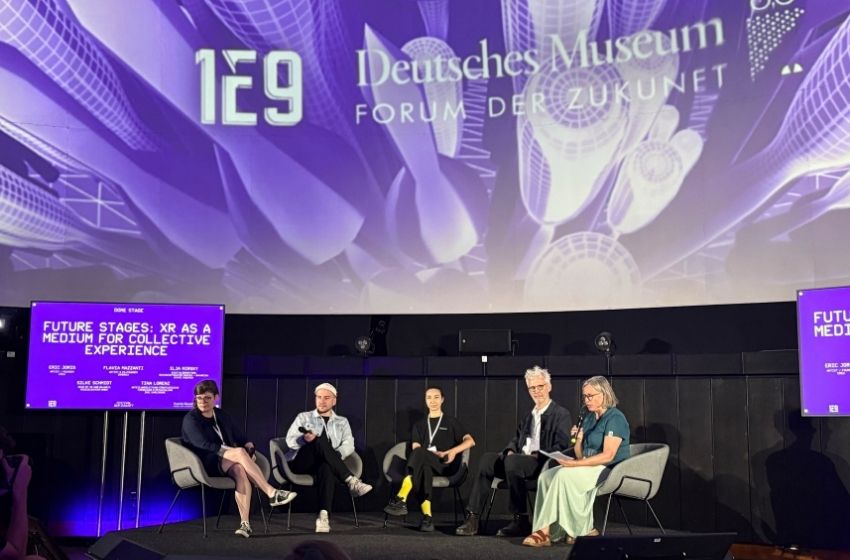
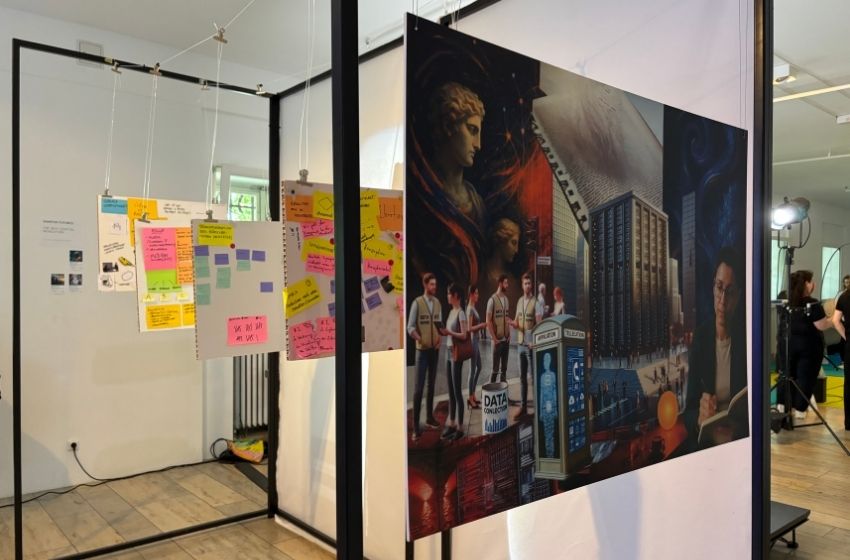
With 20 exhibits, the XR exhibition “Munich Beyond” was the largest XR exhibition ever at the Festival of the Future. Head of the XR Hub Bavaria, Silke Schmidt, also moderated the panel “Future Stages: XR as a Medium for Collective Experience”. Biggest learning for media companies: XR is more than a niche gimmick. The technology can create real encounters and trigger emotions. “XR has the potential to allow us to experience real, shared moments – no matter where we are,” said Tina Lorenz from the Center for Art and Media Karlsruhe. In order to reach a larger audience, creatives, developers and experts need to learn how to communicate and explain the technology to everyone, said Ilja Mirsky from Munich's Residenztheater. Events such as the Festival of the Future, where people can try out immersive experiences and discover them for themselves, are essential for this.
Bannerbild: Photo: Czerny

Das könnte dich auch interessieren
Mehr von XPLR: MEDIA in deinem E-Mail-Postfach
Der Newsletter von XPLR: MEDIA in Bavaria zeigt dir, wie innovativ der Medienstandort Bayern ist. Join the innovators!