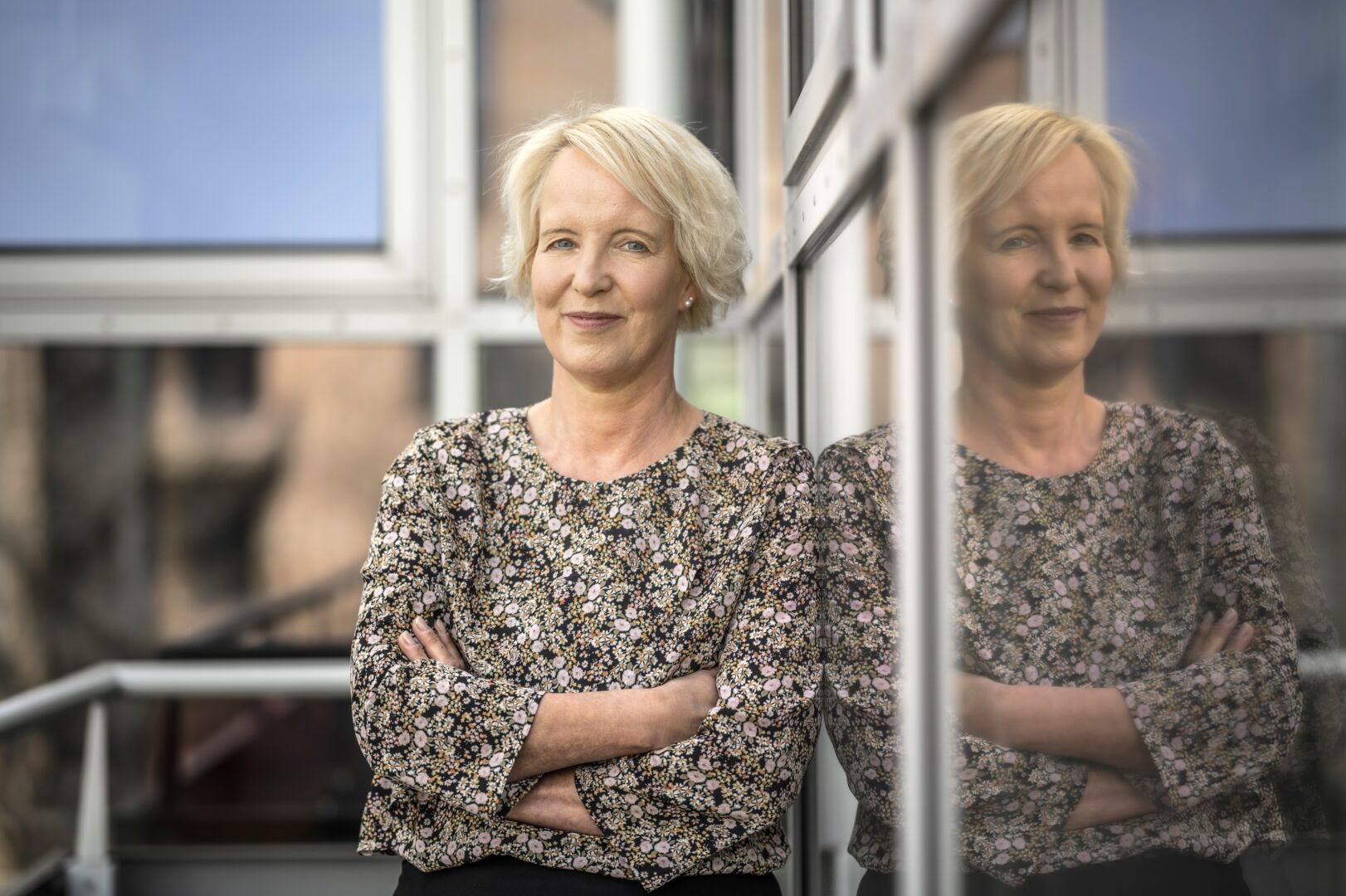
Grusche Juncker: “Books Are Created With Passion and Trust”
Grusche Juncker has experienced the literary market from almost every perspective over the past 25 years: as an editor, translator, program director, and now as publishing director at Penguin Random House. In this interview, she explains how she discovers new literary voices, what role the personality behind the voice plays, and what is important in book projects.
You have over 25 years of experience working for renowned publishing houses. What are the three key insights you have gained about the literary market during this time?
Grusche Juncker: First, passion shapes the industry. Publishing houses and agencies employ people who love to read and enjoy working with authors, material, and plots. Secondly, everything depends on the authors. You can have the best team in the publishing house, but without strong authors, you won’t produce strong books. And thirdly, you need trust. When authors feel at home with us and we work together openly and cooperatively, it’s easier to get through both good times and difficult times together.
Did you know early on that you wanted to work in the literary industry?
Juncker: Yes, absolutely. As a teenager, I even imagined writing a book myself – that’s a distant dream now. But I knew early on that I wanted to work in the industry. I’ve always loved books.
Penguin Random House: “Every brand has its own tradition”
What did you study and how did you get started?
Juncker: I studied German language and literature and history in Münster. During my studies, I worked in a bookstore, which was an exciting and valuable experience because it allowed me to get to know the business from the sales side. After graduating, I started working in the press department at Piper with the aim of moving into editing. An offer from Droemer Knaur led me there. Later, I spent some time in the US and England working as a freelance editor and translator before moving to Rowohlt, where I was ultimately responsible for the program.

Over the past fifteen years, we have seen many German-speaking authors enjoy great success. One reason for this is that publishers are no longer looking abroad as much when selecting new titles.
Grusche Juncker
How does the literary scene in the US and England differ from that in Germany?
Juncker: Structurally, the markets differ greatly. In the US, there is no fixed book pricing, Amazon dominates, many independent bookstores have disappeared, large chains are concentrating, and in some medium-sized cities there is not a single bookstore left. The bestseller lists have been dominated by established names for decades, and it is difficult for new authors to get published, which is why self-publishing is booming. In England, this development is somewhat less pronounced, but still noticeable. In Germany, I appreciate the diversity. Over the past fifteen years, we have seen many German-language authors achieve great success. One reason for this is that publishers no longer look abroad as much when selecting new titles. And there are still many independent bookstores, not as many as twenty years ago, but still a pleasing number.
When you compare your previous freelance work with your current position as publishing director, what has changed most for you?
Juncker: Freelance work is a lonely business. You sit at home, work on just one part of the project, and have to accept whatever is put on your desk. I don’t miss that. Today, I am responsible for the appeal and profitability of our programs, for the teams, and for our authors. My perspective is much broader: international exchange, industry policy, and overarching issues that affect all publishers, such as copyright law – I didn’t have that diversity before.
Personalities and community as marketing tactics
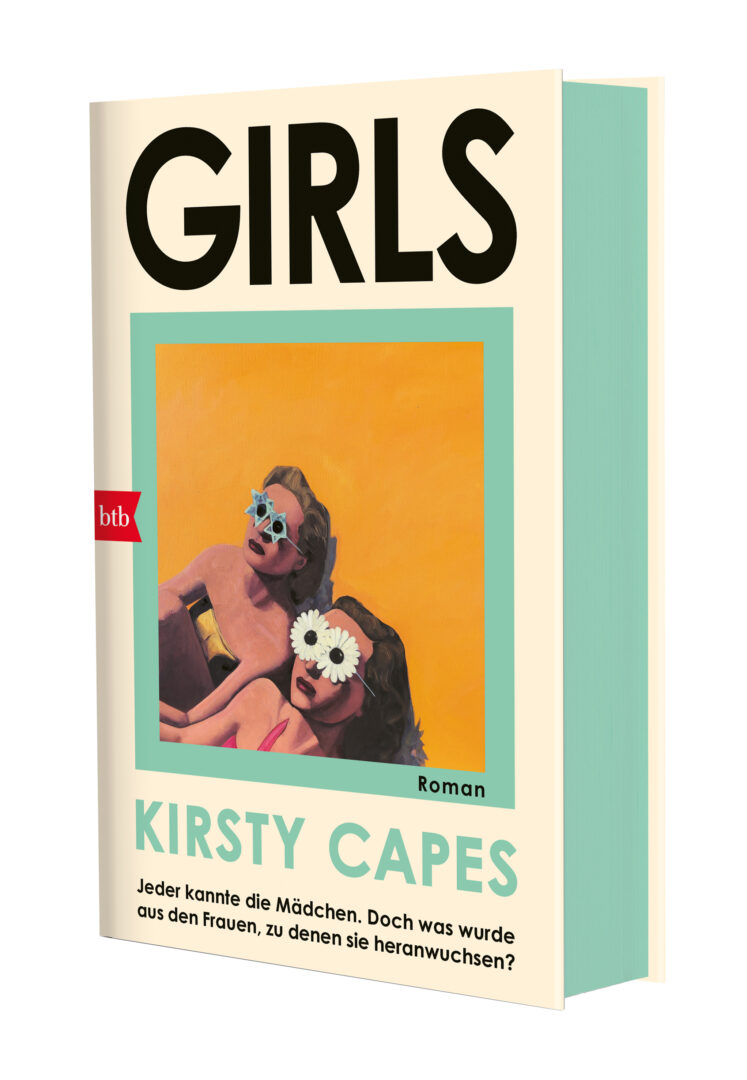
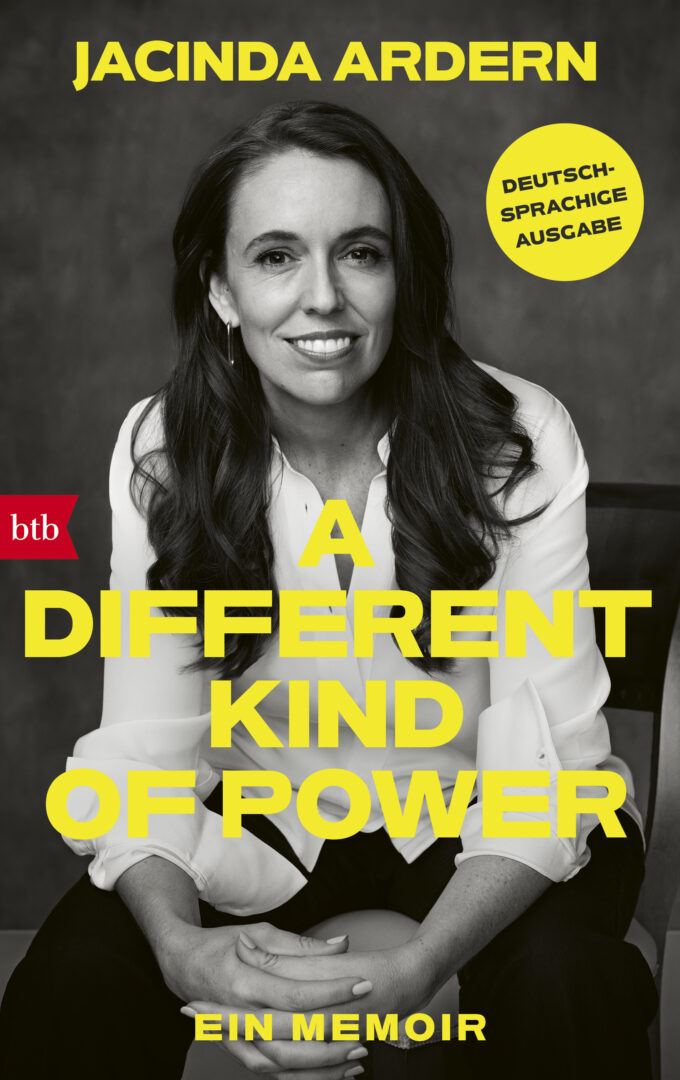
At Penguin Random House, you are responsible for several publishing brands such as Goldmann, Luchterhand, btb, and Mosaik. How do you manage to clearly differentiate their profiles from one another?
Juncker: Each brand has its own tradition. Nevertheless, we regularly review the profiles and compare them with current trends. It is important to me that readers know what a publisher stands for. To do this, we work with so-called reading motives, i.e., categories from the reader’s perspective that describe their motivation for reading: suspense, “easy reading,” thirst for knowledge, debate, relaxation. For each brand, we examine which needs we serve and which target groups we address. We use this to guide our selection of authors, subjects, and topics.


How do you discover new literary voices?
Juncker: In many ways. They are often offered through agencies, which have recently discovered and introduced some really great authors. Then there are successful titles from international publishers. But often it’s also a matter of personal initiative: you read a newspaper article about an interesting story or come across a topic that cries out for a book. Then we look for the right person and develop a project together. Book fairs, award ceremonies, and festivals are also important places to meet new talent.
How many manuscripts do you receive per week and how quickly do you recognize potential?
Juncker: That varies greatly. Around book fairs, it can be up to a hundred per week, otherwise more like a few dozen. We read until we come to a well-founded assessment of the potential. In fiction, we often read the entire text, but sometimes 50 pages or a longer synopsis is enough, as is the case with non-fiction. With a debut, the beginning is rarely perfect, and the text often only unfolds after twenty or thirty pages. Nevertheless, the introduction must have something that “grabs” the reader. A successful book definitely needs a strong theme and a convincing execution – the style, structure, and characters must be right. We also always check whether the material fits the brand, the target audience, and our program.
How important is the person behind the book today, for example their social media presence?
Juncker: The personality of authors has become more important because it can be used much more effectively in marketing today. In the past, we often focused on print ads. Today, social media and BookTok offer enormous opportunities. Readers also appreciate direct interaction. The community aspect is particularly important in the New Adult genre. Authors who work openly, for example with workshop reports, events, and an accompanying strategy, take readers along on the journey and build loyalty.
Grusche Juncker: “AI cannot replace good translators”
Your publishing house is based in Munich. What are the advantages of this location?
Juncker: Munich and Berlin are the most important locations in the literary industry. Many agencies and journalists are based here, there is a close exchange of ideas, and the proximity to film schools, for example, means that you also meet many potential screenwriters. At the same time, a lot can be done digitally today, so theoretically you could work from anywhere. However, experience shows that personal encounters cannot be completely replaced.
Artificial intelligence is finding its way into the world of literature. Where do you see useful applications, and what do you recommend to authors?
Juncker: We ask ourselves: What can AI do, and what should it do? I see potential in operational areas, such as print run planning or inventory management. However, everything related to the creative process should remain in human hands. Some authors use AI for research or fact-checking, which can be particularly helpful for non-fiction topics. To my knowledge, our authors do not use AI for the writing itself – and I wouldn’t want them to. We are looking for individual voices with rough edges. The same applies to translations: AI cannot replace good translators. A good translation is a creative process in its own right.

Bannerbild: Peter von Felbert