He Prefers to See Opportunities Rather than Limits: Oliver Berben from Constantin
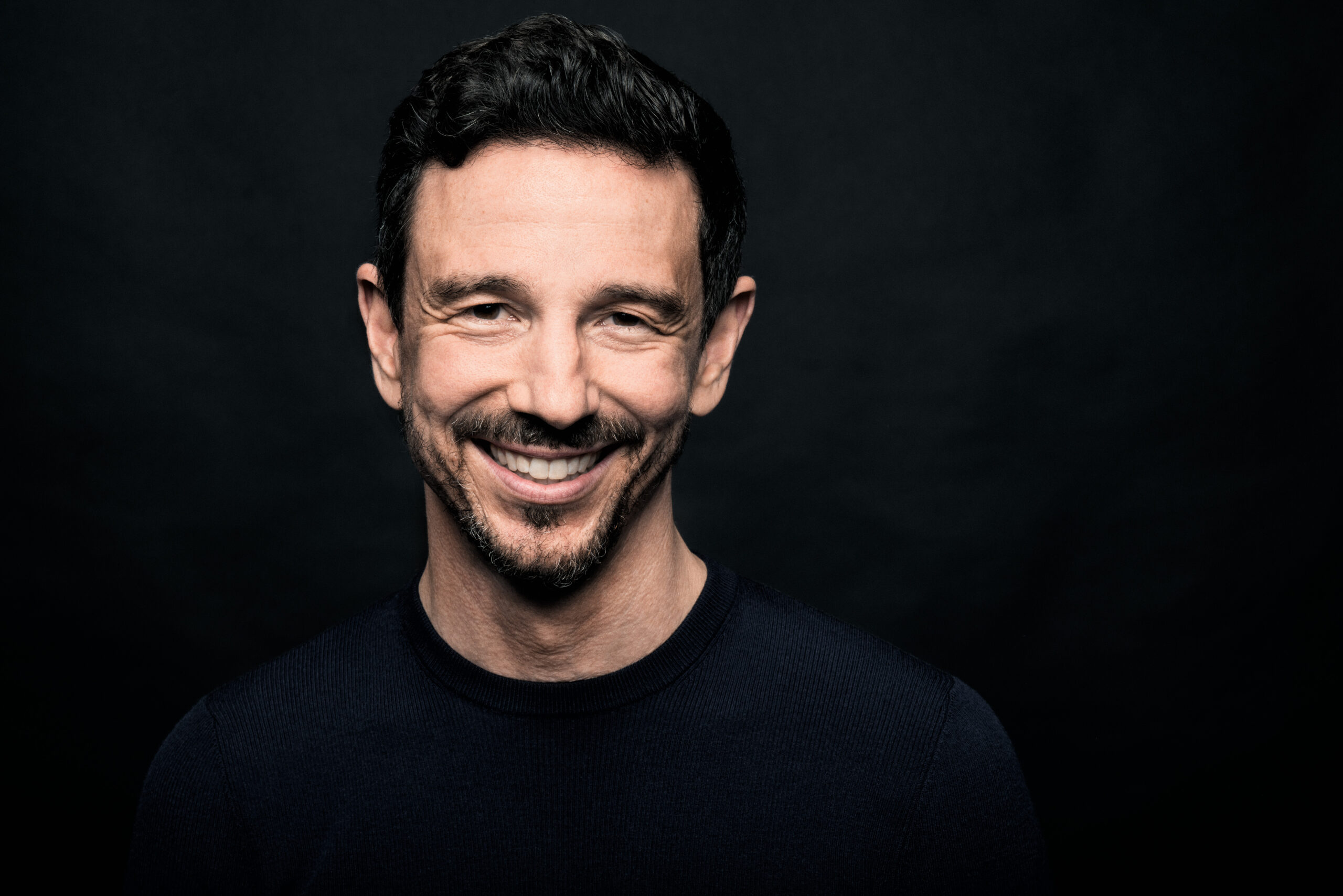
When it comes to AI, he doesn't want to have limits in his head, he wants to see the possibilities: Oliver Berben is CEO of Constantin Film and knows the film company's DNA inside out. It is in the cinema - and in a corporate strategy that has been producing successful films for decades. An interview.
Mr. Berben, you originally studied aerospace engineering. What was the decisive moment when you knew that you wanted to work in film?
Oliver Berben: What has always fascinated me about film is that it is a collaborative work. The fact that many people work together and that this often creates a group dynamic that can achieve great things. For me, that was a very strong contrast to the dry, analytical and solitary work that I knew from my research area at university. After graduating, Karlheinz Brunnemann from Phoenix Film – one of the big producers in Berlin at the time – gave me the chance to work in film for a longer period of time. I seized this opportunity and haven’t left the industry since.
At first glance, the two professions don’t seem to have much in common.
Berben: I’m still very attached to technology – and when you work in the film industry for a while, you realize how many parallels there are. Technology is an important driver in production, distribution and marketing, and is therefore crucial to the success of film projects.
Good marketing and the perfect timing: what makes a hit movie
What other factors are important for a movie to be successful? What makes a material a good story?
Berben: Those are two very different questions: what makes a good movie and what makes a movie a hit? One is not necessarily connected to the other. There are countless really good films that simply don’t make it to the general public – there’s never a guarantee. Unlike in the past, consumers today have a huge selection of films, series, documentaries and reports to choose from at any time. This makes it much harder for us as filmmakers to get the audience’s attention – and then we also want to convince them to invest the time and money to go to the movies. In order for people to become aware of a film in the first place, a strategy is needed in which good marketing and the right timing play an important role alongside the quality of the film. One of the most important factors nowadays is the cultural and social relevance that a film or series must have. This is the success matrix that we try to crack every time.
Constantin Film very often manages to crack this success matrix. For example with “Das Kanu des Manitu”, the most successful theatrical film in Germany in 2026. Did you have this mega-success on your radar or did the onslaught surprise you too?
Berben: The truth lies a bit in the middle. Did we think the movie could be a success? Yes. Did we think it could be so successful? No. The fact is that the first movie, “Der Schuh des Manitu”, is 25 years old. You simply can’t know how people will react to a comeback. And then to see how such a movie breaks through all expectations is the most wonderful thing of all. Michael Bully Herbig and his team, with their experience and gut feeling, have succeeded sensationally in hitting the bull’s eye on the fine line between old and new.


How important is cinema for Constantin today? And which cooperations are becoming increasingly important alongside it?
Berben: Cinema is the DNA of the company – and that won’t change: as long as we have the opportunity to show films in cinemas, we will continue to do so. The great thing is that if you look at the figures from the first quarter of this year, you can see that people have been running to the cinema like crazy – including a lot of German films. However, other distribution options such as streaming, home entertainment, TV and verticals are also important for us. I find it exciting that new technological changes are also changing the way we tell content. Stories are being conceived differently, with the different playout channels also playing a role. Every studio is well advised to take these developments seriously. We do, and at the same time we are not interested in being the first to implement new trends. We prefer to be the best mover rather than the first mover.
No limits in your head: when it comes to AI, you should keep all options open
Everyone is talking about artificial intelligence. Constantin is also expanding its AI team. Where do you draw the line between technological support and artistic integrity?
Berben: I try not to have any limits in my head at first, but to open myself up to the possibilities. Many things are immediately seen as a huge threat and catastrophe. I think it’s wrong to look at things that way. However, that doesn’t mean that you don’t have to be careful when using new technologies. But if you don’t have the opportunity to reach for the stars first, you’ll never reach them.
When we talk about what exactly we need to pay attention to and what needs to be protected, it is clearly the copyright of the creative people who develop the materials. The question is: how do we create a world in which we want to work with AI? To do this, we need to know the technology inside out and know where its possibilities and dangers lie. This is the only way to rule out the risks.
Do you think that in five years we will see movies that are completely AI-made?
Berben: We don’t need another five years for this, it’s already been around for a long time in the small screen sector. And it will soon be technically possible for cinema films too. The question is: do people want to see it?
And?
Berben: In the end, people want a connection to what touches them emotionally. Spotify took 75 million AI songs off the platform last year because nobody wanted to listen to them. Just because something is technically possible doesn’t mean that it will be consumed.
At the end of the day, AI is a tool that allows you to reach spheres you couldn’t reach before. Once a new technology has reached film production, the industry has never responded by doing the same productions in half the time and cheaper. It has always done something bigger in the same amount of time. The films are becoming more brilliant and impressive. And these films are in demand.
European AI solutions are needed for more independence
To what extent can AI help to make Germany more competitive as a film location on the international market?
Berben: It’s better to look at Europe as a whole: we Europeans now have a huge opportunity to create our own setup that will make us more independent in the field of film technology (and not only there, in my opinion).
And will we manage that?
Berben: The key AI tools come almost exclusively from the USA and China – those who use them are handing over data and expertise. It is a great opportunity for German and European companies to launch their own products here. At Constantin, we are therefore deliberately building our own structures: our own technologies, our own servers, a protected environment. This is complex and expensive – but necessary.
XPLR: MEDIA takes a special look at the Bavarian scene. What makes Munich still the ideal headquarters for a global player like Constantin?
Berben: Our location is the be-all and end-all. We were born in Munich and will stay here. The opportunities available to us in Bavaria are unique. This is not only due to the lively creative sector, but also to the cultural scene, the technological hotspot, the financial power and the network.
In 2026, Constantin will once again have exciting releases in the pipeline. Which of this year’s projects is closest to your heart?
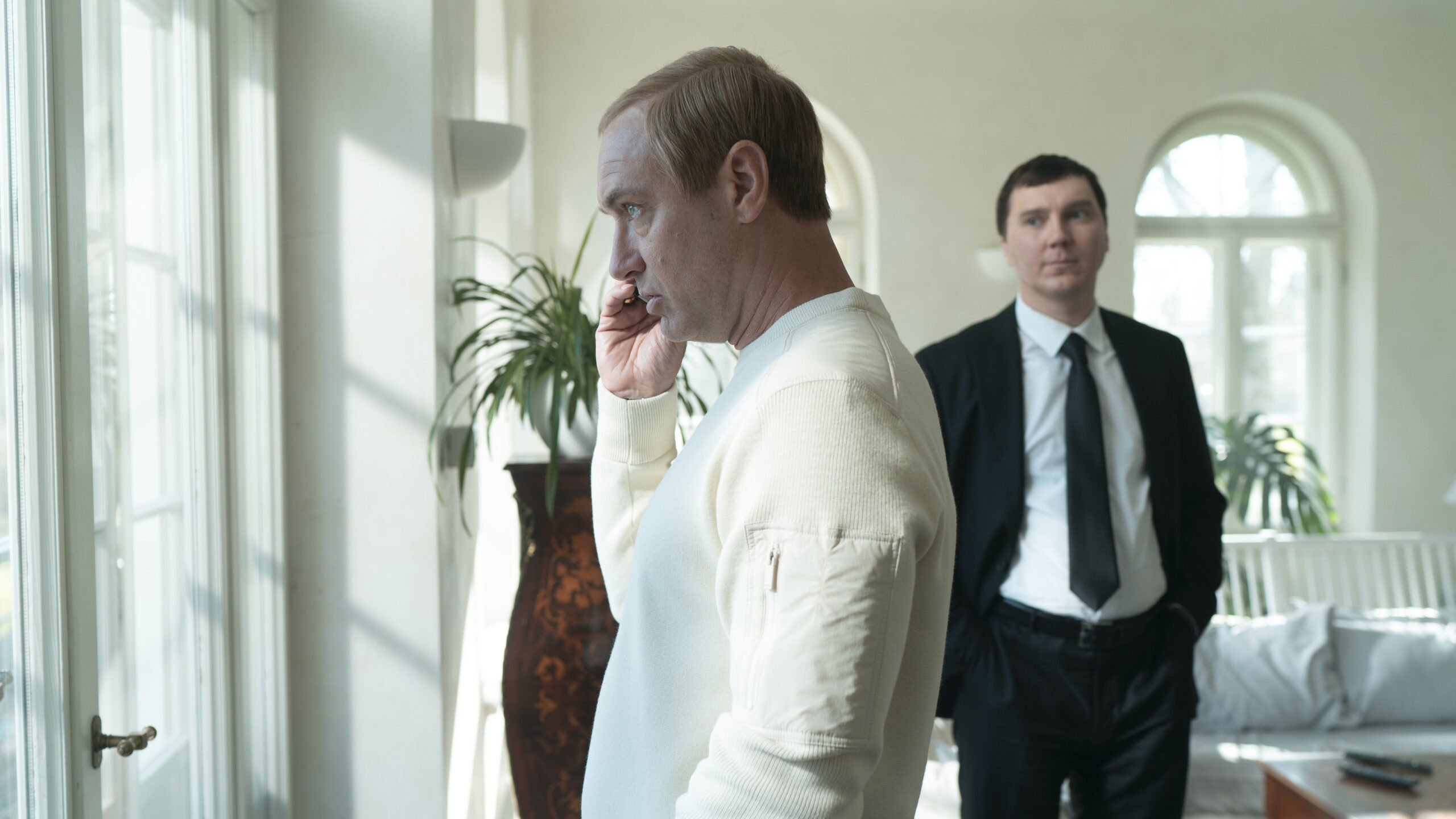
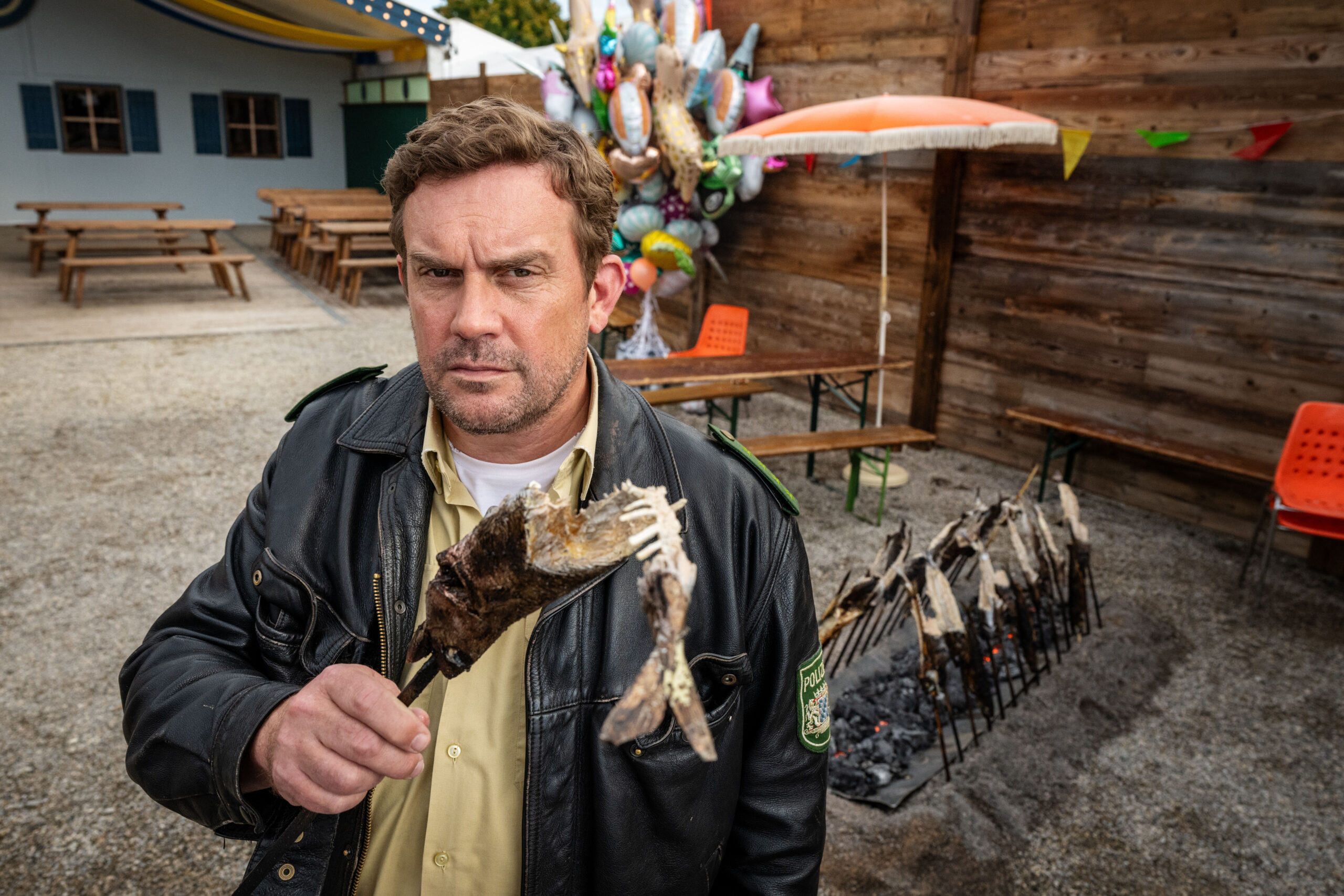
Berben: That’s like asking a father which is his favorite child. (laughs) We will have an exciting mix this year, especially in the second half of the year. On April 9, “The Magician in the Kremlin” opened, a French production and an incredible work that tells the story of Putin. And then we’ll be moving in a completely different direction in quick steps when we release the next Eberhofer crime thriller “Steckerlfischfiasko” in cinemas on August 13 after three years. A great movie produced by Kerstin Schmidbauer and her team.
This fall will see the release of “That Certain Something” by Marc Rothemund (September 3) and “The Perfect Vacation”, the sequel to Bora Dagtekin’s “The Perfect Secret” (October 22). And finally, the international area: filming on “Resident Evil” in Prague has been completed and we are currently in post-production. Zach Cregger, probably the most interesting director in Hollywood at the moment, has created a really good film here, which will be released in cinemas on September 17.
Bannerbild: Constantin Film