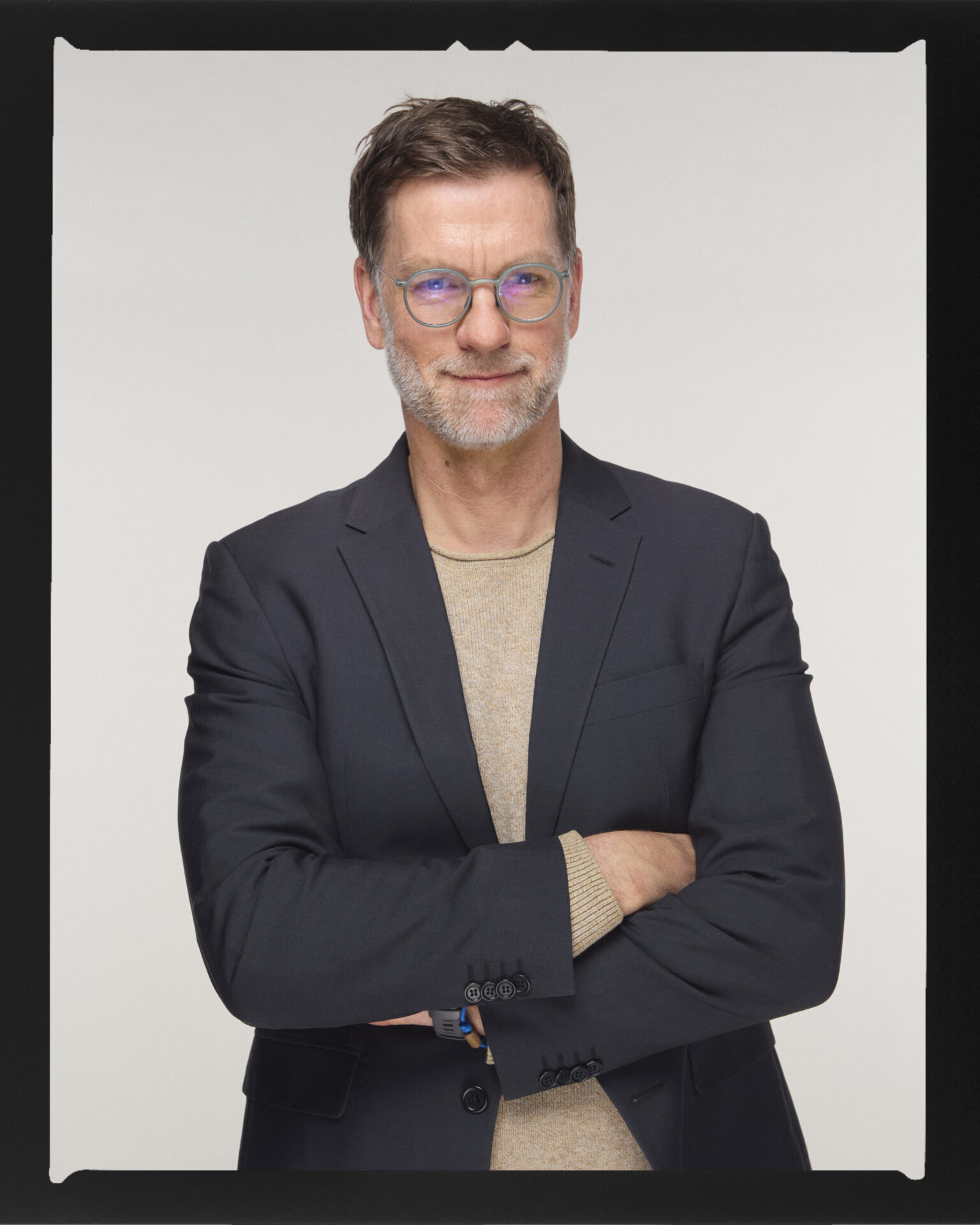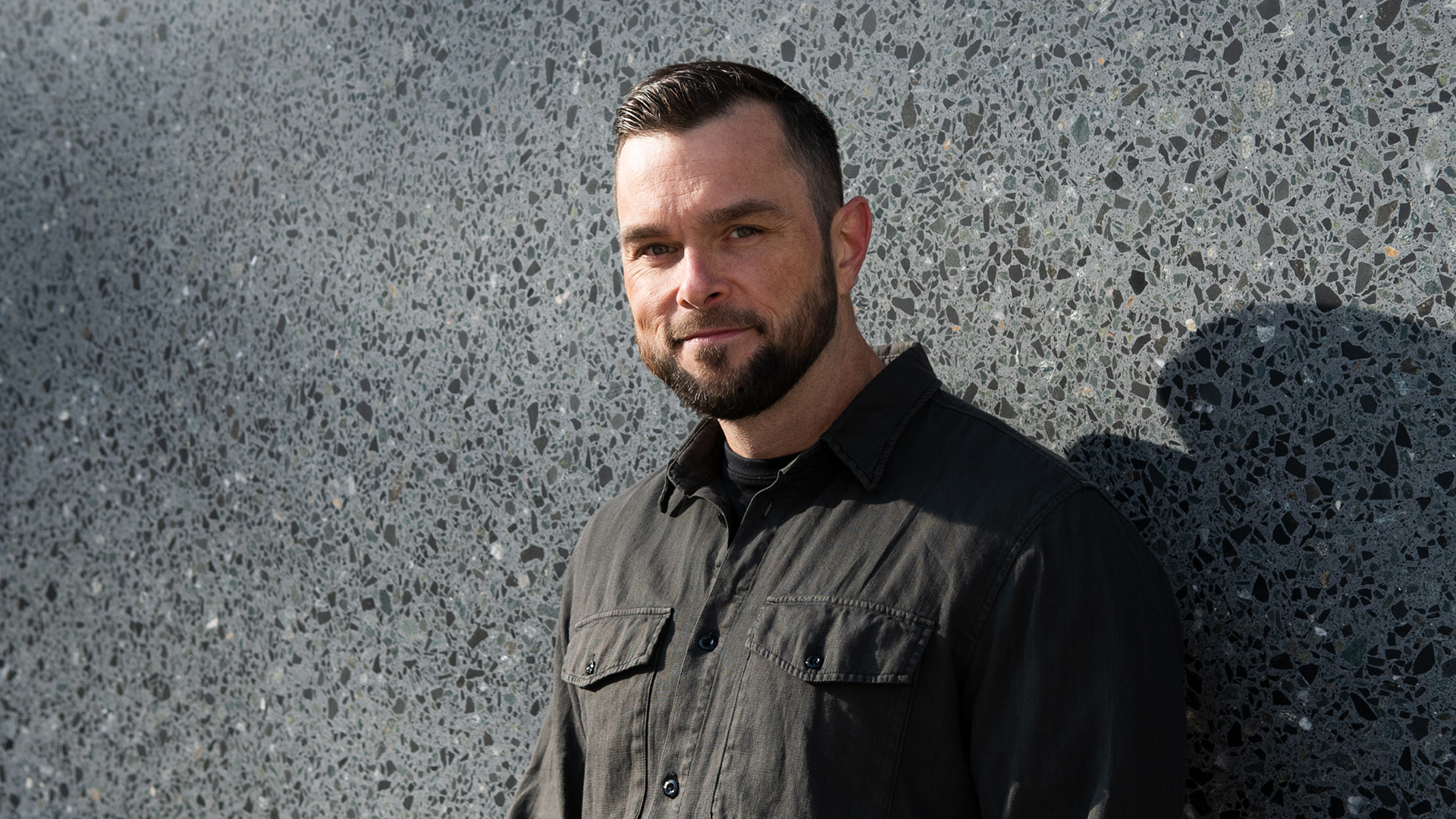
Max Brandl from AI + Automation Lab: This Is How AI Is Used at BR
Max Brandl has been working at the AI + Automation Lab at Bayerischer Rundfunk for five and a half years and is responsible for audience-centered products. In this interview, he explains what the “BR Regional-Update” has taught us about user-centered AI, as well as what the “BreznBot” – an AI chatbot for Oktoberfest 2025 – has revealed about the use of AI in real-time situations – and why curiosity is the most important mindset in the AI era.
Max, the AI + Automation Lab has been around for six years. How would you describe your mission?
Max Brandl: Using AI and automation to work on ideas, prototypes, and products so that our colleagues in-house can focus more on the tasks for which humans are irreplaceable. And to offer our audience added value through user-centered products. Personally, I’m more driven by the products we create for our audience. I really enjoy thinking about how we can present the content we already have in a way that’s even more appealing and user-centered.
The “BR Regional Update” – a product that uses AI to curate regional news and makes it available on demand – has its roots in a BBC hackathon in 2020. When did it become clear that this would become more than just a “hackathon weekend”?
Max: When I joined the lab, there was already a very early, simple prototype – completely static, but it was there. One of the first steps was to have five to ten real users test it. They said, “Cool. It’s not quite how I’d use it yet. But if you change this or that, then I’d find it interesting.” From then on, we pursued the idea further. Namely, taking an old format that works well – in this case, regional news – and modernizing its form and presentation. Today, the Segmenter is 100 percent AI-based. At launch, AI was, if at all, only a very small part of it.
Would you like to learn more about AI in the Bavarian audio industry?
Download our free report now!
Personalization as an Indispensable Tool
Public broadcasters are tasked with reaching as many people as possible – personalization sounds like the exact opposite of that. How does BR handle this without risking filter bubbles?
Max: You have to separate form from content. The content – what’s said in the message – doesn’t change as a result of personalization. The fact that a single message is available with a geographic tag is, at first, just a technical reality; it’s not yet a filter bubble. And I believe that, without personalization, it’s no longer possible to reach everyone. If we can’t address people individually where they are, we lose reach. The challenge, then, is to fine-tune the settings so that filter bubbles aren’t created – that is the responsibility of public broadcasting.
For Oktoberfest 2025, you teamed up with Ippen Digital to develop the “BreznBot” – an AI chatbot designed to answer Oktoberfest visitors’ questions about the festival while also gathering experiences for the editorial team. What did this project teach you about the use of AI in real-time situations?
Max: As our first chatbot, BreznBot has given us a wealth of experience: What do users type, how often and how long do they do so, how do they go about it, and how can we – for example, with well-targeted opening questions as an introductory offer – turn a product like this into something that adds value. What works well, what doesn’t – things like that. The “kill switch,” for example, has also proven to be an advantage – an emergency shut-off that allows us to take the bot offline immediately in critical situations without having to program it first. That proved its worth: There was a bomb threat at Oktoberfest. We shut down the bot immediately – and that was the right thing to do. Because when a critical situation arises and news is updated every minute, an AI chatbot is no longer a helpful service. It responds immediately, but in doing so, it could pass on information that’s long since become outdated. We tested this behind the scenes: it wouldn’t have worked well. Since then, our policy has been that, in rapidly escalating news situations, we will not use such tools until further notice.
Using AI to Gain a Deeper Understanding of the Media Landscape
What advice would you give to media professionals who want to get started with AI now – and what have you personally taken away from the “BR Regional Update”?
Max: Stay curious , try out the technology – especially in your own area of expertise. And don’t let it unsettle you too much – AI is “just another new technology.” It’s best to approach it with an open mind and curiosity, but without getting worked up. It’s certainly powerful. The most important advice: Stay on top of it, work with good people, and make the most of your own expertise. As for me personally: I had very little prior knowledge of radio. At the Regional Update, I learned a great deal about how radio works. In my opinion, the most interesting products often emerge from these intersections of expertise and disciplines.