Radical Young Cinema: Jovana Reisinger and Daniela Magnani Hüller
With their graduation films at the University of Television and Film Munich (HFF), Daniela Magnani Hüller and Jovana Reisinger show just how radical young cinema from Bavaria can be. A conversation about getting started.
Do you remember your very first camera?
Jovana Reisinger: When I was 16, I got a camcorder for my birthday. It was awesome. Back then, there weren’t any smartphones yet. We filmed a ton of stuff with it.
Daniela Magnani Hüller: I was also 16 when I bought my first SLR camera with the money I earned from my first job working at a cash register. That’s when I first got into photography and taught myself everything step by step.
Bavaria as a Film Location: Why the HFF in Munich
You both attended the HFF studied. From camcorders and SLR cameras to film school: What was that journey like?
Daniela: At first, I studied something else. I knew you could only apply to the HFF twice. I wanted to make sure it worked out, so I took my time. Then it worked out on my first try.
Jovana: It was different for me. When I wrote the first draft of my debut novel, I thought my writing was way too flowery. I thought, “If I study screenwriting, my writing will become more pragmatic.”
The HFF in Munich is considered one of the best film schools in the country. What did it give you, and what did it demand of you?
Jovana: I had previously studied art in Copenhagen, and that’s where I realized for the first time: This is what it’s like to be at a large, prestigious university, with support and opportunities. I wanted that again. For me, it was clear: HFF or nothing.
Daniela: In Munich, the funding is simply there – Bavaria is well-funded. And there are separate degree programs for fiction directing and documentary directing, so there are opportunities to specialize. However, the cost of living in Munich is high.
Jovana: I worked nonstop and had three part-time jobs. In my second or third semester, I experienced sudden hearing loss. There were times when I thought I wouldn’t make it.
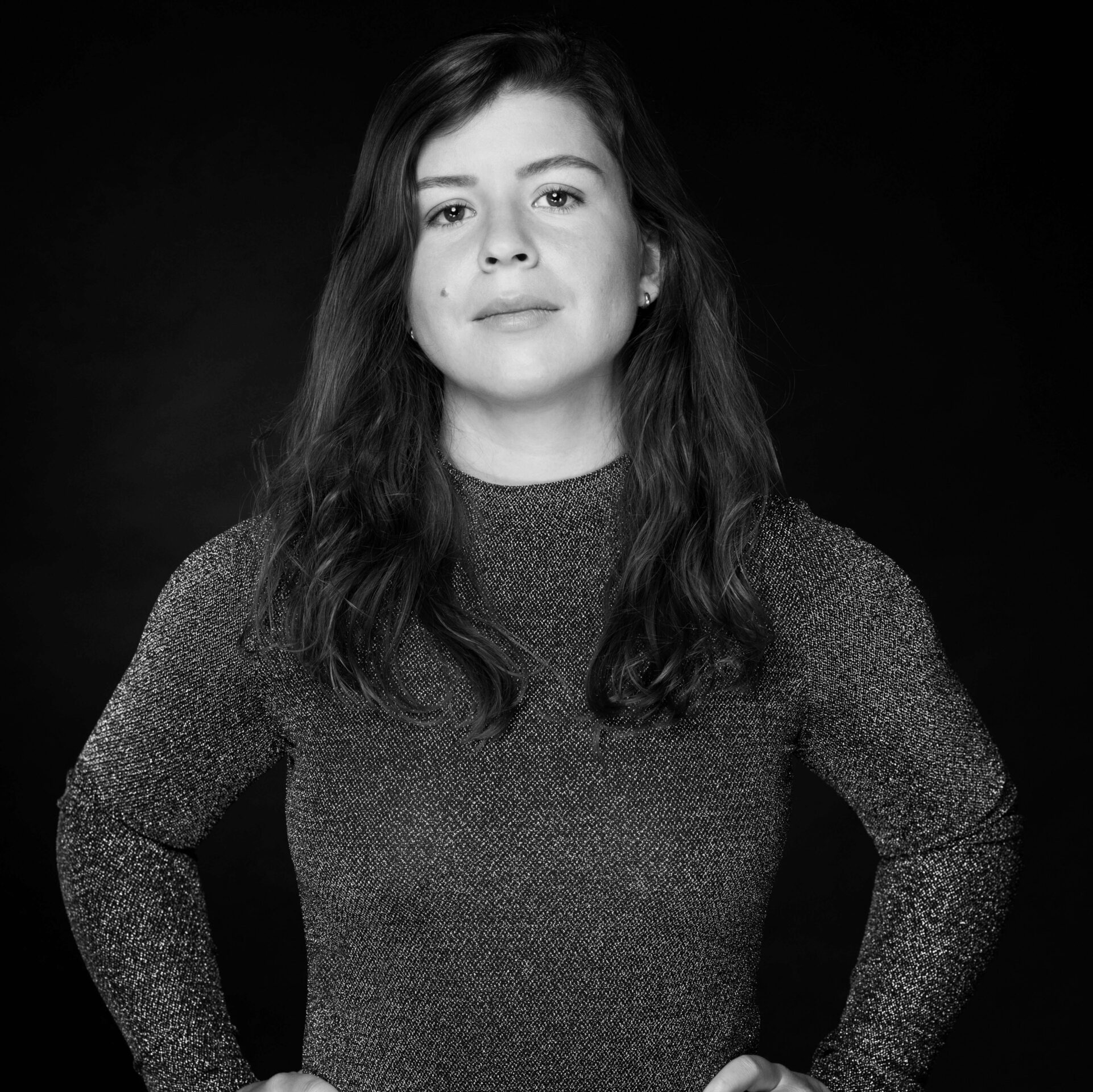
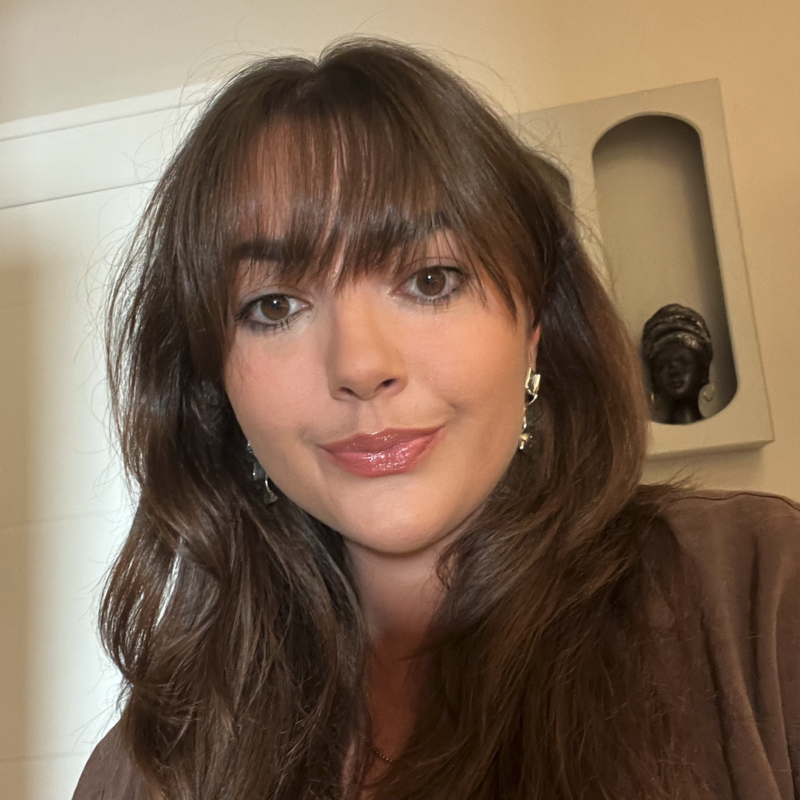
Fourteen years ago, Daniela Magnani Hüller survived an attempted femicide by a classmate. In “Was an Empfindsamkeit bleibt,” she revisits the most formative moments of that time through conversations with those involved, photo collages, and a voice that refuses to be silenced. The film screened in the Forum section of the 2026 Berlinale and received a Special Mention from the documentary film jury. It has been showing in theaters nationwide since mid-May.
Profile: Daniela Magnani Hüller
Daniela, in your graduation film *What Remains of Sensitivity*, you revisit an attempted femicide that you experienced as a teenager at the hands of a classmate. You speak with your former teacher, a police officer, and a classmate. When was the moment when your memory turned into a screenplay?
Daniela: Until recently, only my closest friends knew what had happened. Then, at some point, I started looking more closely at the files related to my case and realized that there are aspects of my story that could affect other girls and women just as much. That’s when it became clear to me: I want to do something with this. And as a filmmaker, I have the dramatic tools to decide for myself how I want to tell this story.
You’re hardly in the film. You can hear your voice, but the camera focuses on the faces of the people you’re talking to.
Daniela: A lot of people were worried about whether this would work. But I knew early on: I didn’t want the camera to show my face the whole time and capture my emotions. I felt it was more powerful to show my conversation partner’s reaction and to appear a bit more in the background in the film. My voice was meant only to create the sense of closeness needed for that.
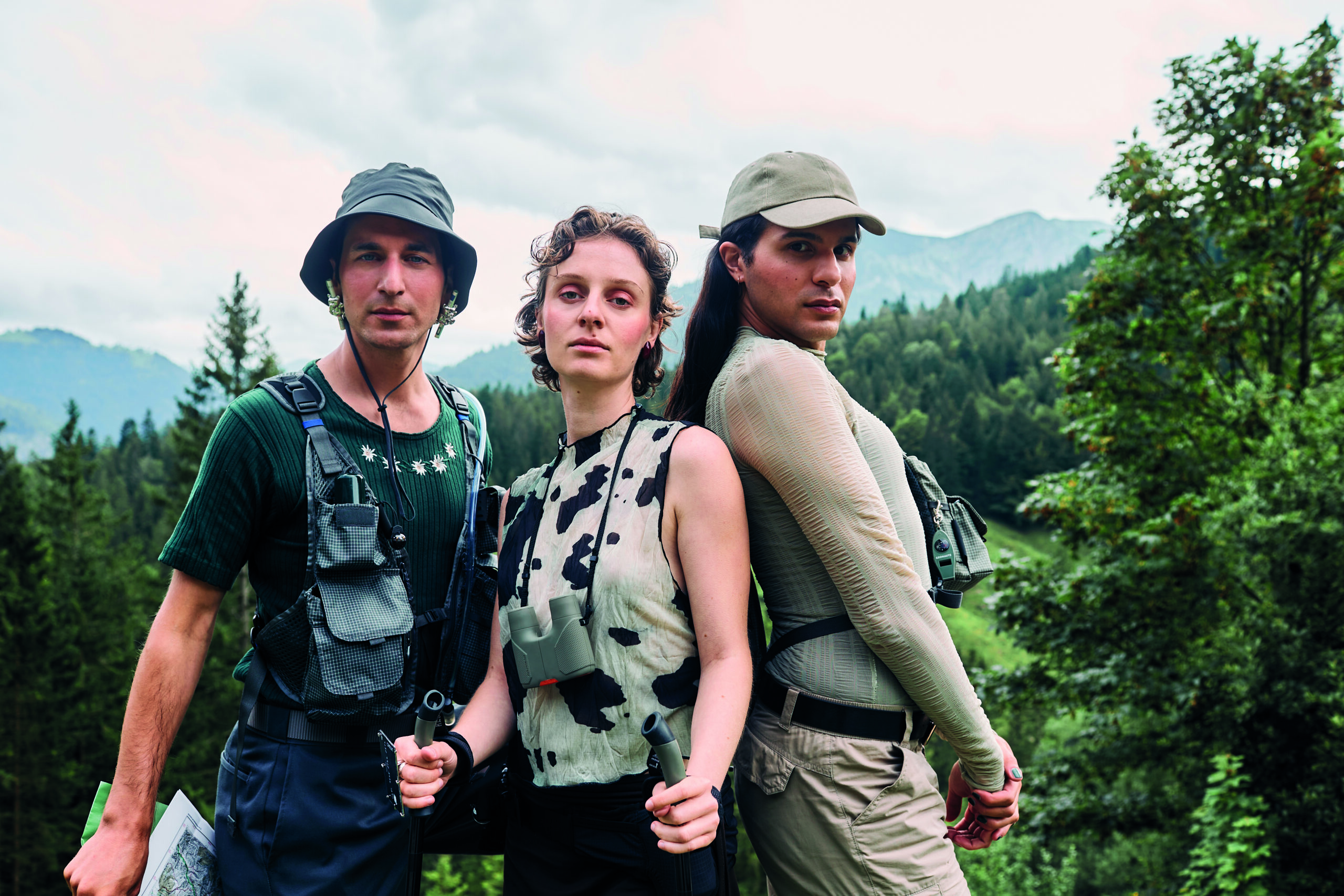
In “Unterwegs im Namen der Kaiserin,” Jovana Reisinger sends three potential reincarnations of Sisi on a journey through kitsch and an anti-homeland idyll, in a color palette that falls somewhere between Wes Anderson and trash TV. The Grimme Prize Special honored the film for its “contemporary deconstruction of the Sisi hype through a radical aesthetic.” “Unterwegs im Namen der Kaiserin” is available in the ZDF media library.
Profile: Sophie Wanninger
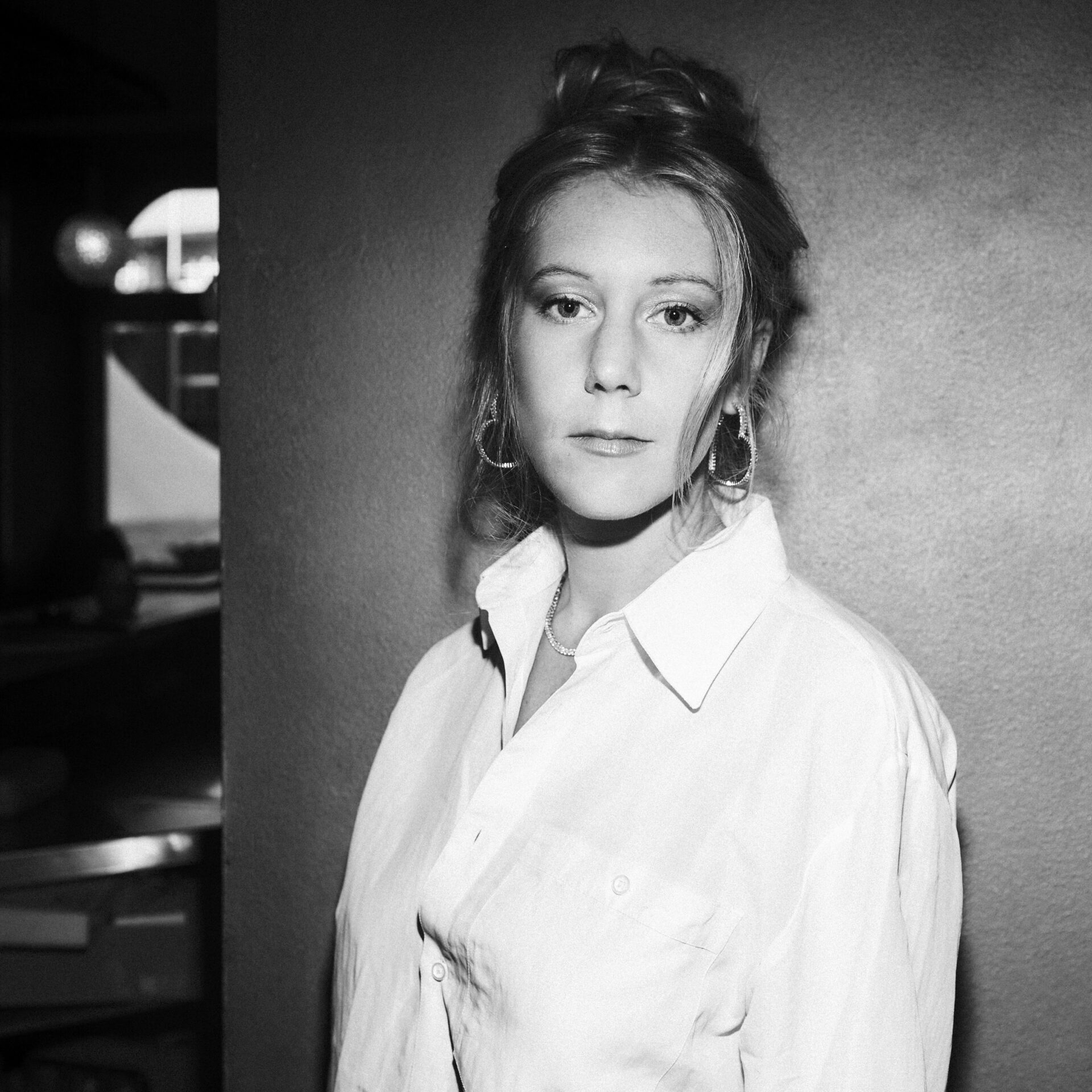
Jovana, you’ve made the opposite of an autobiographical documentary. In *Unterwegs im Namen der Kaiserin*, you explore the myth of Sisi. It’s been getting a lot of attention lately – RTL and Netflix have each produced a series about her.
Jovana: That actually worried me a little at first. But then there was this moment at a film festival: My producer introduced me to a TV executive. She told him I was working on a Sisi movie. He laughed and said, “You do realize there are a lot of Sisi projects out there right now. I don’t think anyone’s been waiting for yours.” That’s when I thought to myself: Now more than ever. Anger is always what drives me.
Your film is set in the present day: Three characters are searching for the fountain of youth in the Alps and learn that one of them is said to be the reincarnation of the empress. It’s a radically different approach from that of the major Sisi productions.
Jovana: Looking back, I was very lucky that all those projects went into production before mine and had much bigger budgets. Because it soon became clear that they’d all be tackling historical stories – they’d be period films featuring ball gowns. I work differently. On a low budget. And with a style that’s a combination of entertainment and high culture, of trash and arthouse.
The Future of the Movie Industry: We Must Not Give Up
For years, there’s been talk of the death of movie theaters, shrinking budgets, and streaming as the gravedigger. Why are you making a movie now, of all times?
Jovana: Ever since I started studying at film school, I’ve been told that movie theaters are dying and that there are no more budgets. But I’ve noticed that movie theaters are actually very crowded these days. In this age of AI, people are longing for something made by humans.
Daniela: I feel exactly the same way. Watching a movie together on a big screen is something special. Perhaps movie theaters need to emphasize this sense of community even more and become a place of exchange where filmmakers and audiences can come together.
What advice would you give to someone who’s just starting out today?
Jovana: You really have to keep doing something all the time. You can’t be afraid to fail every now and then. I once directed a short film that was nothing but continuity errors. My professor said, “Jovana just made a film to show us how not to do it.” But we both liked the film and decided: Well, then it’s just a stylistic device.
Daniela: Absolutely, you just have to take the plunge. And if you get rejected by film school, then all the more reason to do it. Especially in documentary filmmaking, there are so many formats you can start with on your own. So you just use your cell phone as a camera to begin with.
Bannerbild: Sophie Wanninger