Checker Marina: What Defines Good Children’s Journalism
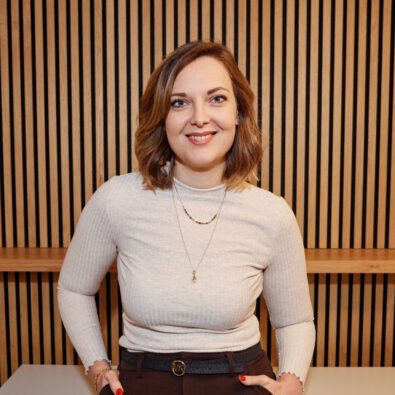
Marina Blanke is one of the four presenters on Checker-Welt. Together with her colleagues Checker Tobi, Julian, and Can, she explores topics in a child-friendly way. In this interview, she reveals what helps her do this.
What qualities help you connect with Gen Alpha?
Marina Blanke: Since we film episodes on a wide variety of topics, curiosity is a good thing because it allows me to enjoy getting to the bottom of all sorts of different things. It also means I can laugh at myself when something doesn’t work out. I’m happy to hear that children often find the show funny. Fun is the best way to understand even complex things.
Do the tone and topics of children’s programs always remain the same, or does the Alpha generation currently growing up have special needs and interests?
Blanke: Every generation certainly has its own topics and interests. We often receive letters from children who have suggestions for episodes and bring us exciting topics – for example, topics such as sustainability or climate change. We are also in constant communication with our BR editorial team about this. We have noticed that children are also interested in more complex topics, such as conflict or growing old – we then turn these into episodes.

As Checkerin Marina, I am a role model for some children – and of course they see me as Checkerin Marina when they meet me somewhere on the street. Since I am often recognized and approached, I always keep that in mind.
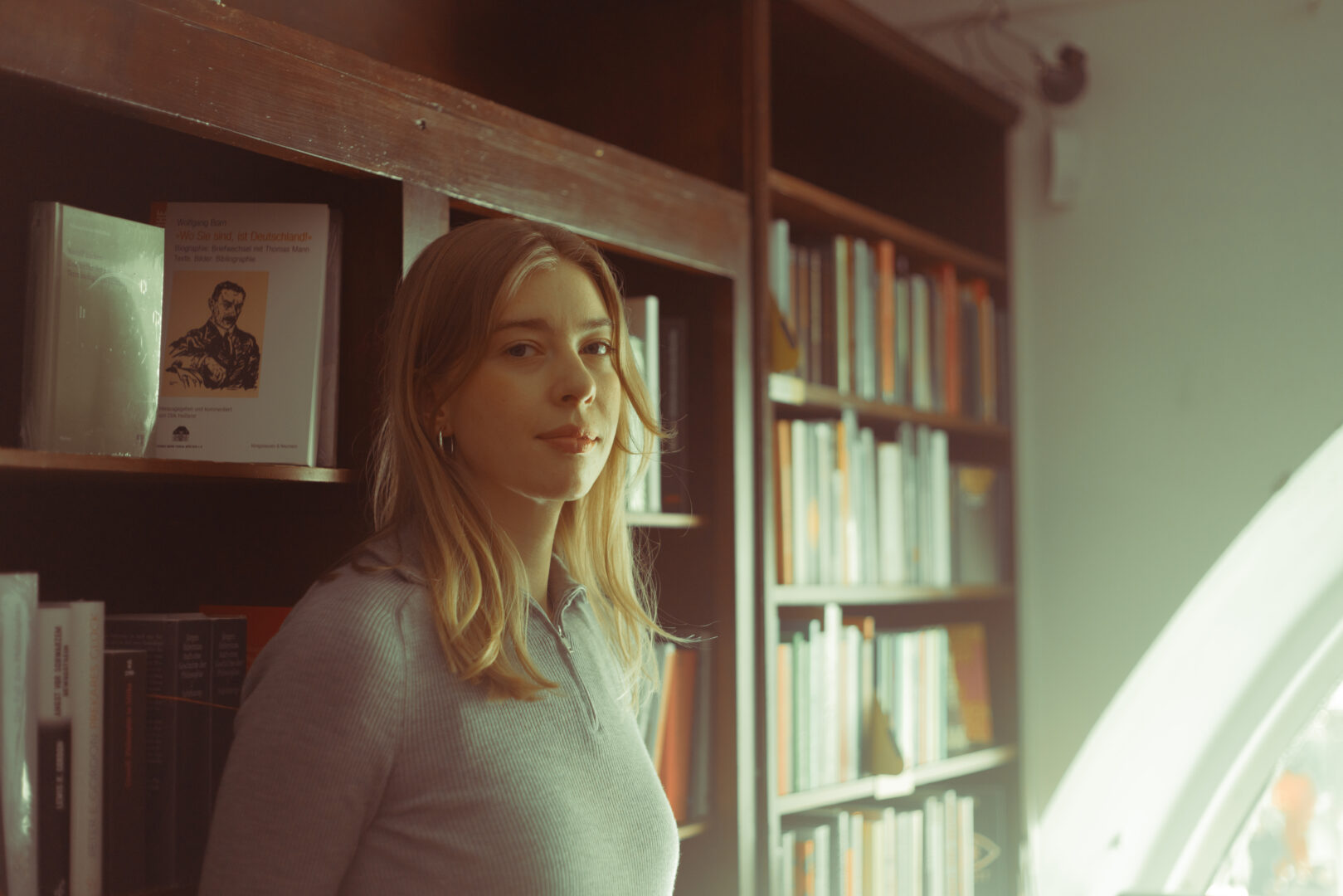
Marina Blanke
In the programs, you also share your opinion on certain topics. How much opinion can a children’s program tolerate? Are there limits?
Blanke: The Checker editorial team consists of several editors. As the show’s host, I work closely with them and we discuss together, also with BR, how we want to address different topics. However, it’s not about personal opinion, but about facts, so that we can offer children guidance.
As the face of the Checker format, you bear a great deal of responsibility. Do you sometimes find it exhausting to always have to be a role model?
Blanke: Sure, as Checker Marina, I am a role model for some children – and of course they see me as Checker Marina when they meet me somewhere on the street. Since I am often recognized and approached, I always keep that in mind. But I don’t find it exhausting, because I don’t behave completely inappropriately in public.
Would you like to learn more about the world of Checker?
Click here for an interview with Birgitta Kaßeckert, head of the BR children’s editorial team!
The reality of children’s lives – in the age of AI and digitalization?
Blanke: In “CHECK IN,” I have my flying robot friend CheXomat, who may be a robot, but has his own unique character and sense of humor. He also has a kind of superpower that allows him to beam me to different places. Of course, that doesn’t quite work that way in the real world yet. Compared to ChatGPT, for example, CheXomat tends to speak in riddles. He doesn’t give clear answers to my questions and withholds his knowledge with a lot of humor to motivate me to do my own research. He rejoices with me and the audience when we succeed in solving the riddles, but he also has a certain funny schadenfreude when something goes wrong. These characteristics give CheXomat a special character that already sets it apart from AI. But talking to a robot and asking it questions is, of course, something that children grow up with today. Chatbots and robots now play a major role in our everyday lives.
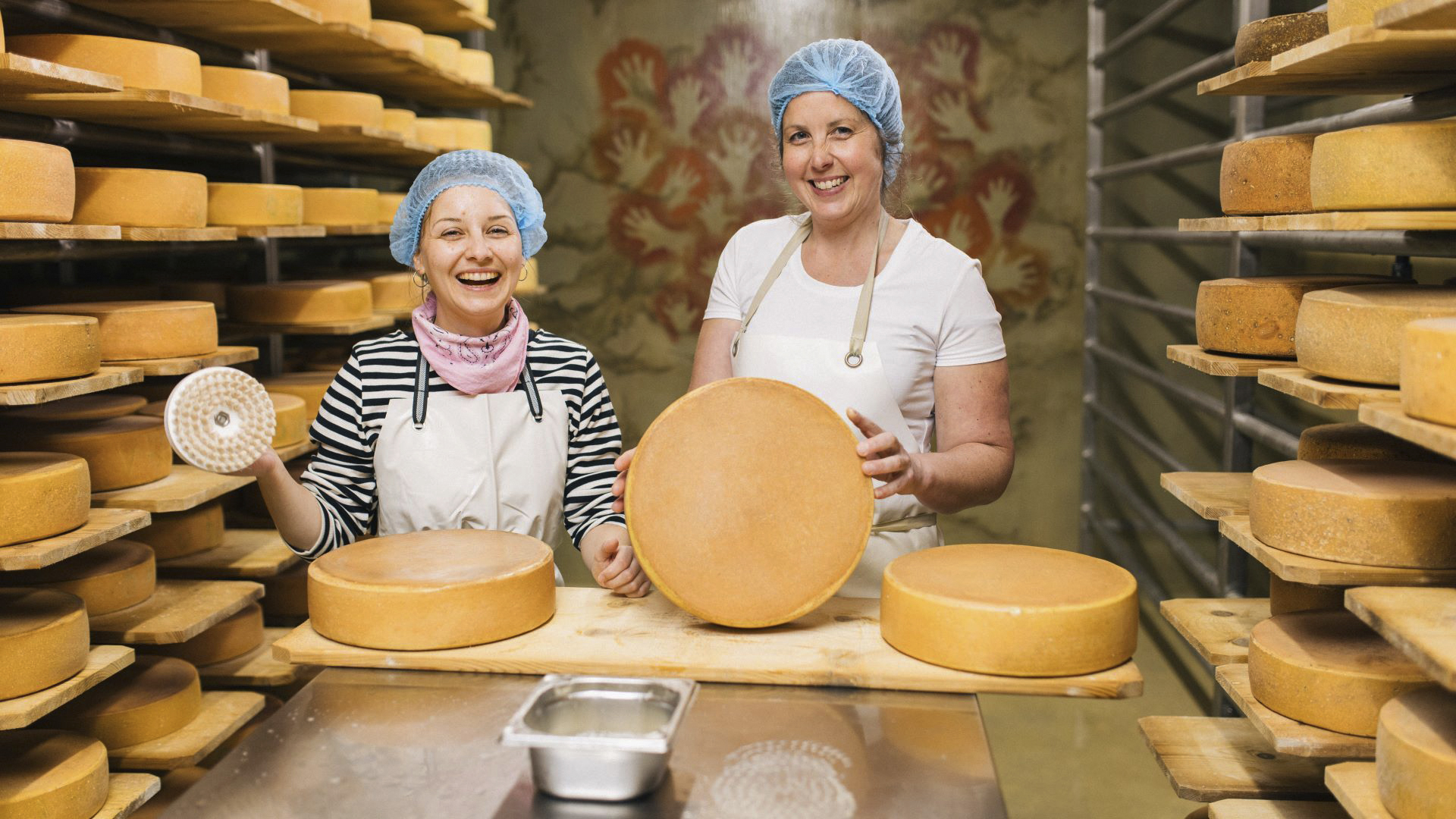
Bannerbild: Bayerischer Rundfunk
You may also be interested in



Mehr von XPLR: MEDIA in deinem E-Mail-Postfach
Der Newsletter von XPLR: MEDIA in Bavaria zeigt dir, wie innovativ der Medienstandort Bayern ist. Join the innovators!