Courage: Why Do We Need a Finance Magazine for Women?
The first issue of the finance and career magazine *Courage* was published in 2020. Since then, a community centered on “women’s” wealth-building has developed through webinars, Money Day, and the Goldmarie Award. Marion Lummer, managing director of the publishing house Holderstock, and Courage editor-in-chief Tobias Aigner explain why print is only part of the story today.
Ms. Lummer, Mr. Aigner, the first issue of Courage It was published in February 2020. What was the basic idea behind the magazine back then?
Marion Lummer: It all started with a very simple fact: The readership of financial media outlets like *Euro* or *Börse Online* was predominantly male. Yet we knew from conversations that women are definitely interested in issues related to money and building wealth. Nevertheless, for many women, it wasn’t second nature to engage with these topics. In relationships, the man often automatically takes charge of the finances. We therefore wanted to encourage women to take control of their own finances—especially since a career break or being a single parent can have financial consequences.
Tobias Aigner: Timing was crucial. Twenty years ago, a magazine like *Courage* wouldn’t have worked. Two trends converged: private retirement planning became relevant for more and more people, and at the same time, a generation of women emerged who were demanding economic independence. Today, young women talk about business ideas and ETF savings plans as a matter of course. I don’t think this trend will reverse.

There are many lifestyle magazines. Our mission is different: We want to help women become financially independent.
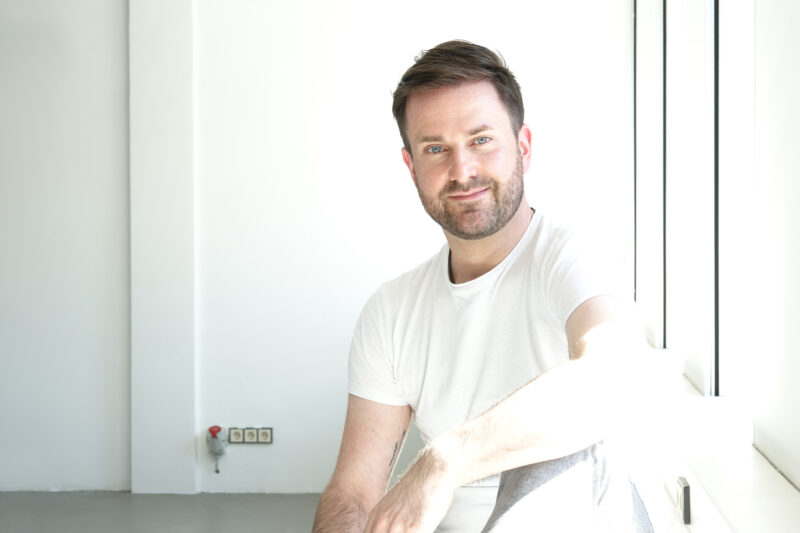
Tobias Aigner
Do women approach financial issues differently than men?
Aigner: That’s what we see in our community. Women often want to understand things in great detail before they invest. They ask about the bigger picture, risks, and background information. This leads to genuine discussions.
Lummer: This becomes clear, for example, at our Money Day. I’ve been to many financial events attended almost exclusively by men. At Courage, the atmosphere is different: the participants ask questions, share their experiences, and engage in conversation with one another. It fosters a dialogue, not a lecture. And that’s why we’ve gradually created more and more opportunities for this through various formats.
360° Brand: The Magazine as the Starting Point for an Entire Brand Universe
That sounds more like a brand universe than a traditional magazine.
Lummer: That’s exactly the direction Courage has taken. The magazine remains our core, but a whole world has sprung up around it: newsletters, webinars, live workshops, and Money Day. We now have over 5,300 registered “Lounge” members who take advantage of offerings that go beyond the magazine. We don’t just want to provide women with information; we want to create spaces where they can connect with one another. After all, not every woman wants to engage with financial topics in the same way: one might prefer to read a detailed article, another might attend a webinar or an event, and yet another might search for very specific information online. It is precisely these different approaches that we want to offer.
Events are therefore a central component of the business model.
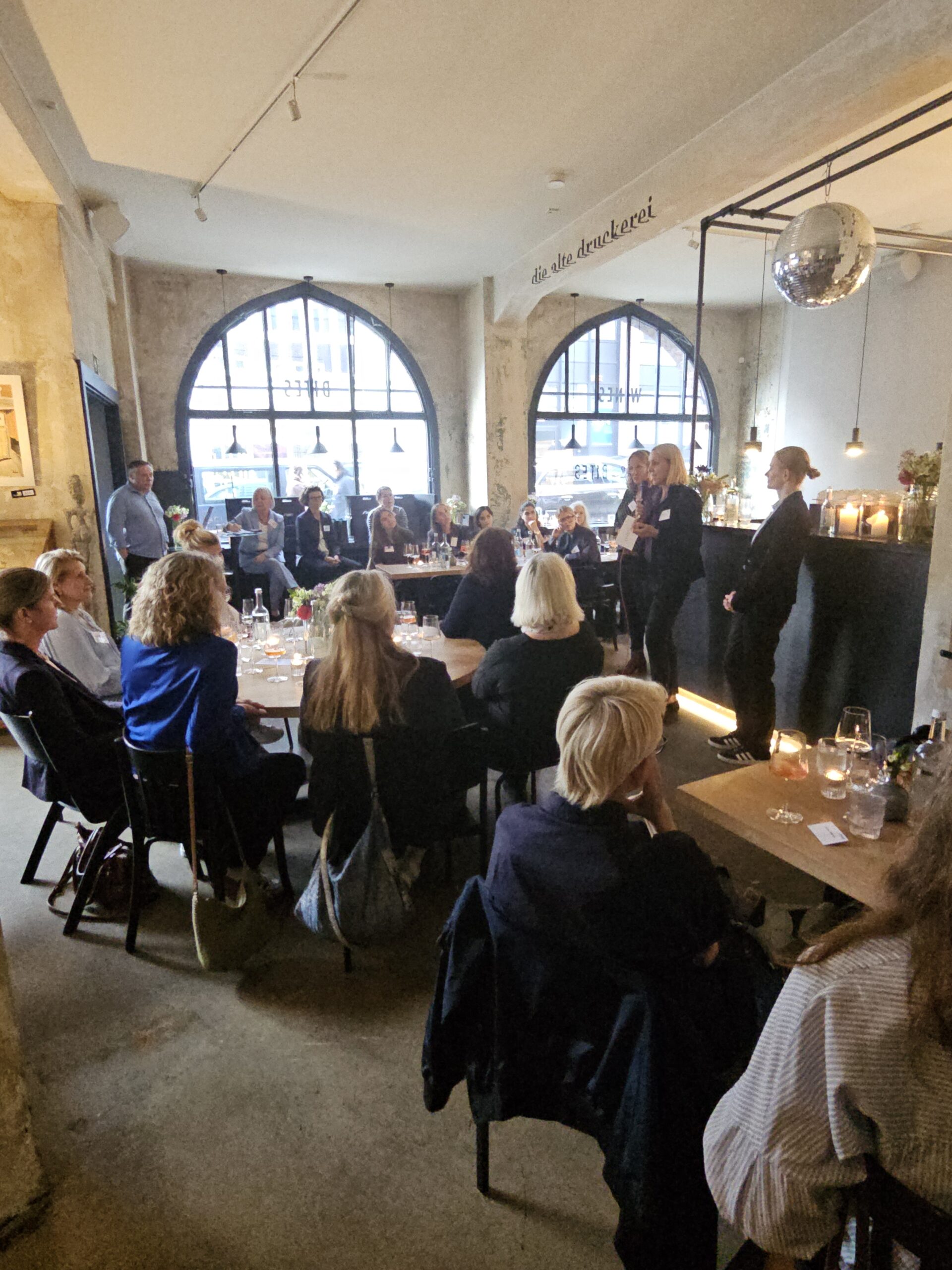
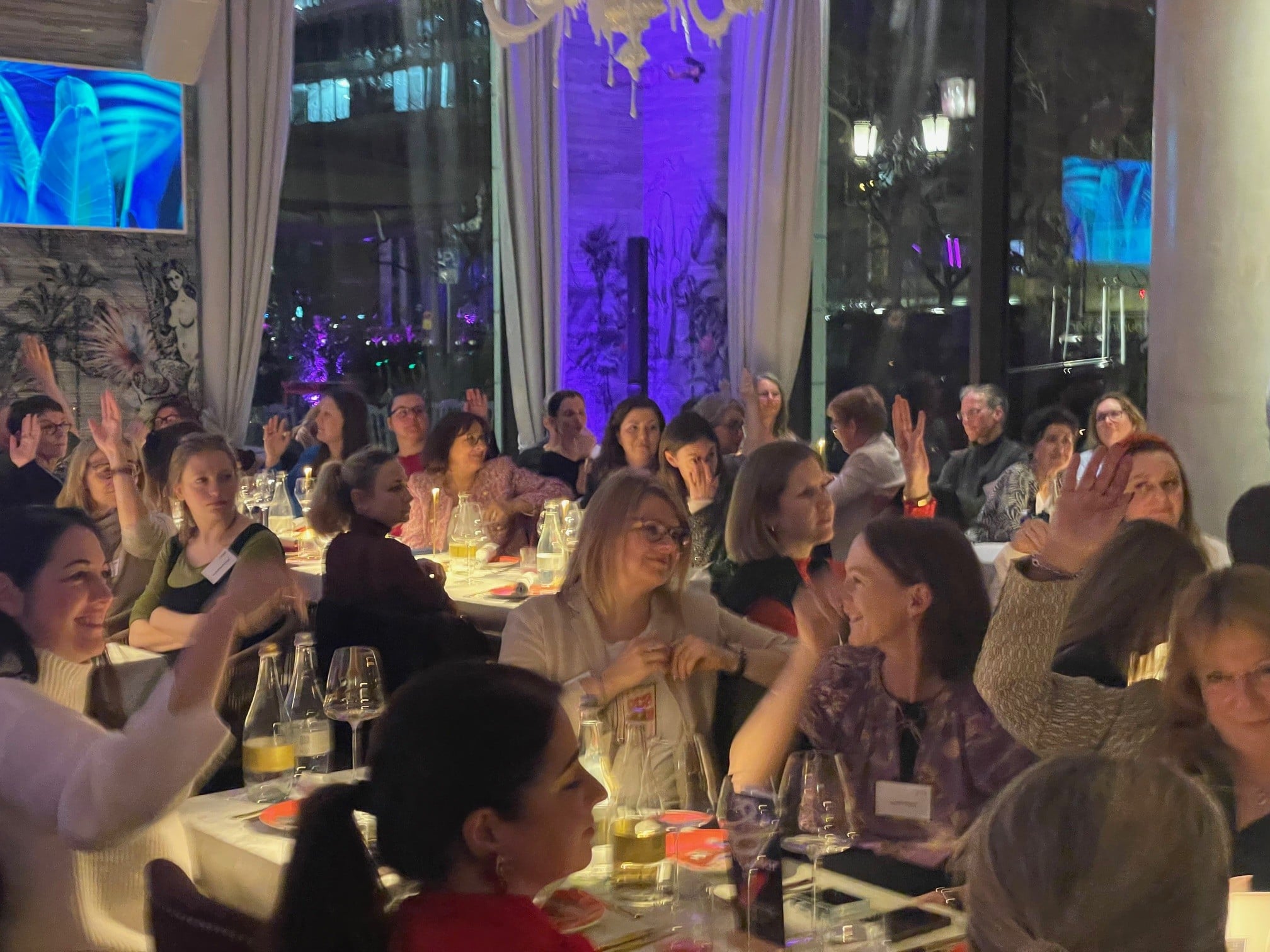
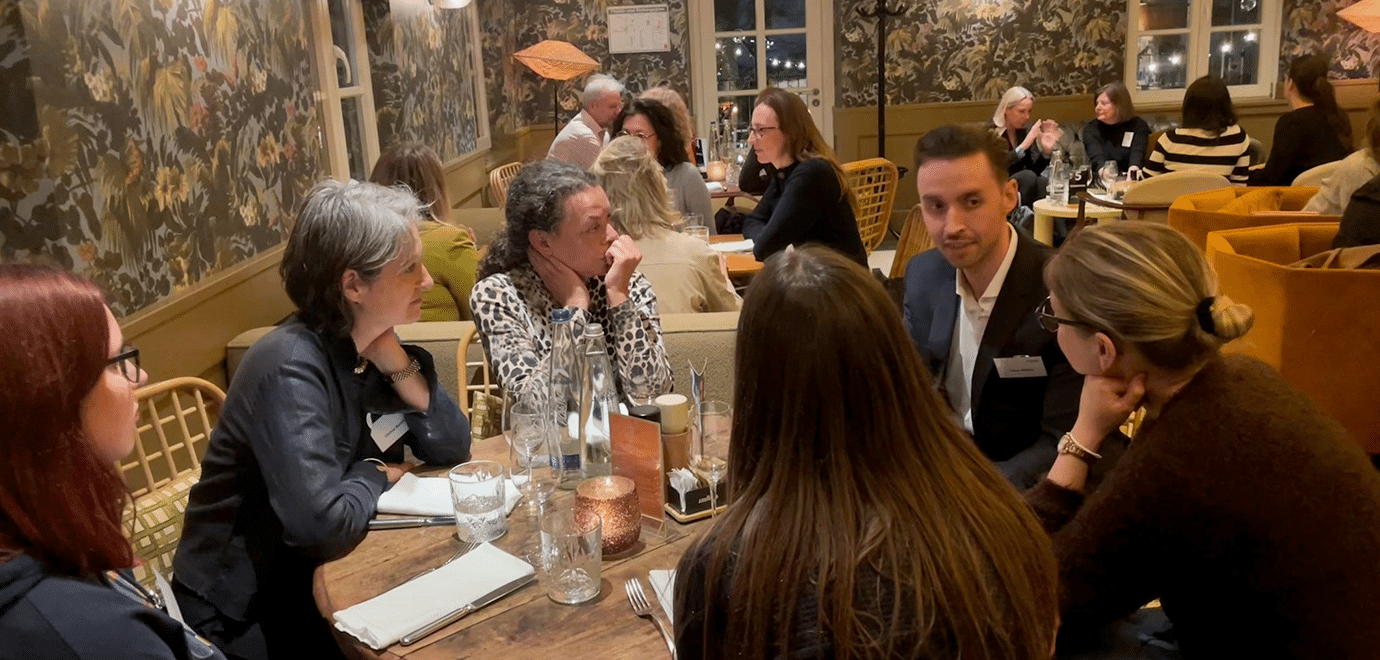
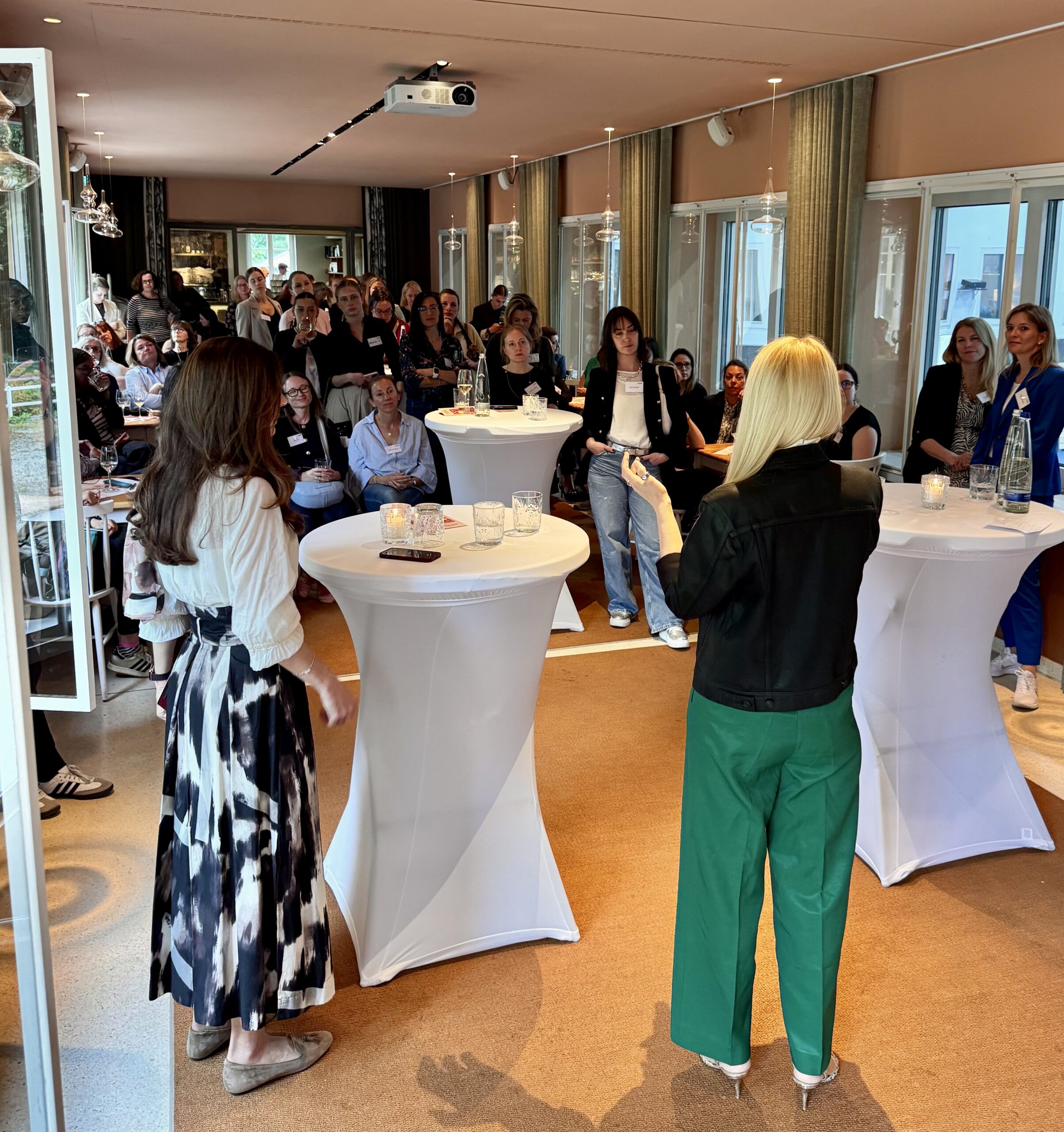
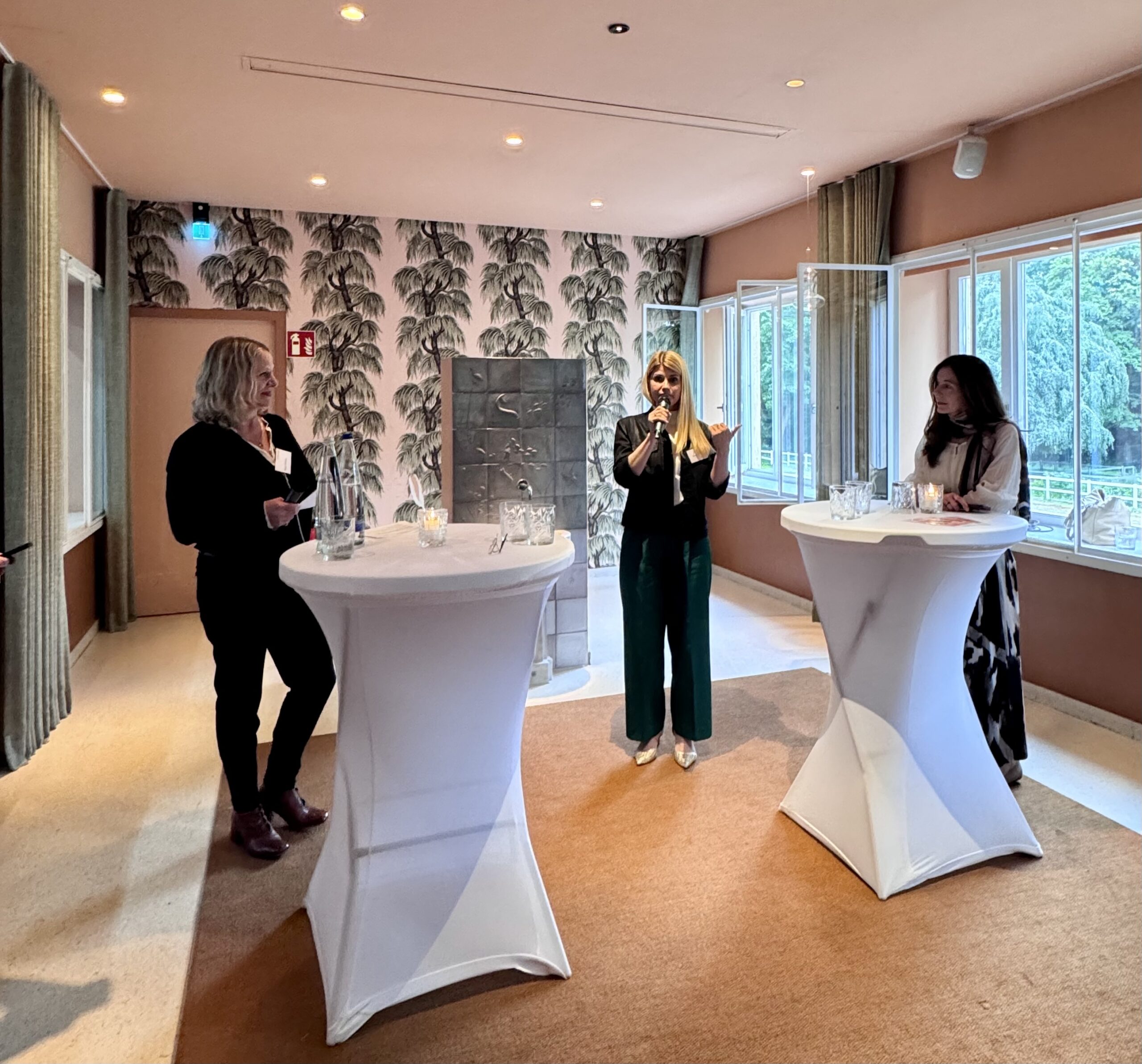
Lummer: Absolutely. Money Day is about financial literacy, but it’s just as much about connecting with others. After the panels, participants stick around to network and continue the discussion. With Money Day on Tour, we also visit companies to provide financial education to female employees. After all, if companies invest in their employees’ professional development, why not in their financial education as well? Financial education is one of the most valuable benefits there is. With the “Goldmarie” award, which we present as part of the Night of Finance, we’re now adding another pillar. We honor female entrepreneurs, board members, supervisory board members, and an “Inspirer of the Year.” In addition, we’ve established regular get-togethers in Munich, Hamburg, and Frankfurt. After a brief informational session, everyone sits together, shares their stories, and discusses their financial experiences. These events are often booked up within a few days. However, this ecosystem wouldn’t function without the magazine.
Looking at the journalistic content: What is Courage’s brand essence?
Aigner: Relevance. For me, that’s the most important word. With every story, I ask myself the same question: Why does someone need to read this particular piece? Every story must offer concrete added value—whether financial, professional, or personal. We also want as few restrictions on free thought as possible in the magazine. For example, both supporters and opponents of a quota for women in leadership positions should have a voice. I believe our readers can handle that. We want a diversity of opinions and discussion.
Is the goal, especially in the financial sector, to make complex topics easy to understand?
Aigner: Yes, but without oversimplifying them. That’s why, for example, we offer a financial glossary, a savings calculator, and a weekly investment tip. We also have articles that break down economic developments step by step.
Lummer: You can read *Courage* even if you’ve never invested before. You might come across topics like, “What do I have at home that I can turn into money?” But there’s also content for those who are already more deeply involved with the capital markets or retirement planning.
Between Resonance and Credibility: Politics Has Become an Important Side Issue
Which topics resonate most with your readers?
Aigner: Interestingly, it’s not just the cover stories. A two-page spread featuring different risk profiles and matching funds has been one of our most successful formats for years. Readers still write to us months later to tell us how their investments have performed or to ask follow-up questions. Beginner-friendly topics related to ETFs and savings plans are also particularly popular.
Your covers have become more political over time. For example, the August issue featured SPD politician Katharina Barley with the quote, “Definitely in favor of the fire wall.” Was that a deliberate decision?
Aigner: Politics is not part of our brand essence. At the same time, geopolitical crises, inflation, and pension policy have a direct impact on wealth and careers. I would even go so far as to say: Since the end of World War II, the stock markets have never been as politically influenced as they are today. We can’t ignore that. We’ve noticed that covers featuring political figures—especially when they’re polarizing—generate an exceptionally strong response. Nevertheless, we’re never interested in attention for its own sake. What matters most is relevance to our readers.

These days, it’s no longer enough to simply offer a company an ad or a banner. We need to think in terms of concepts much more.
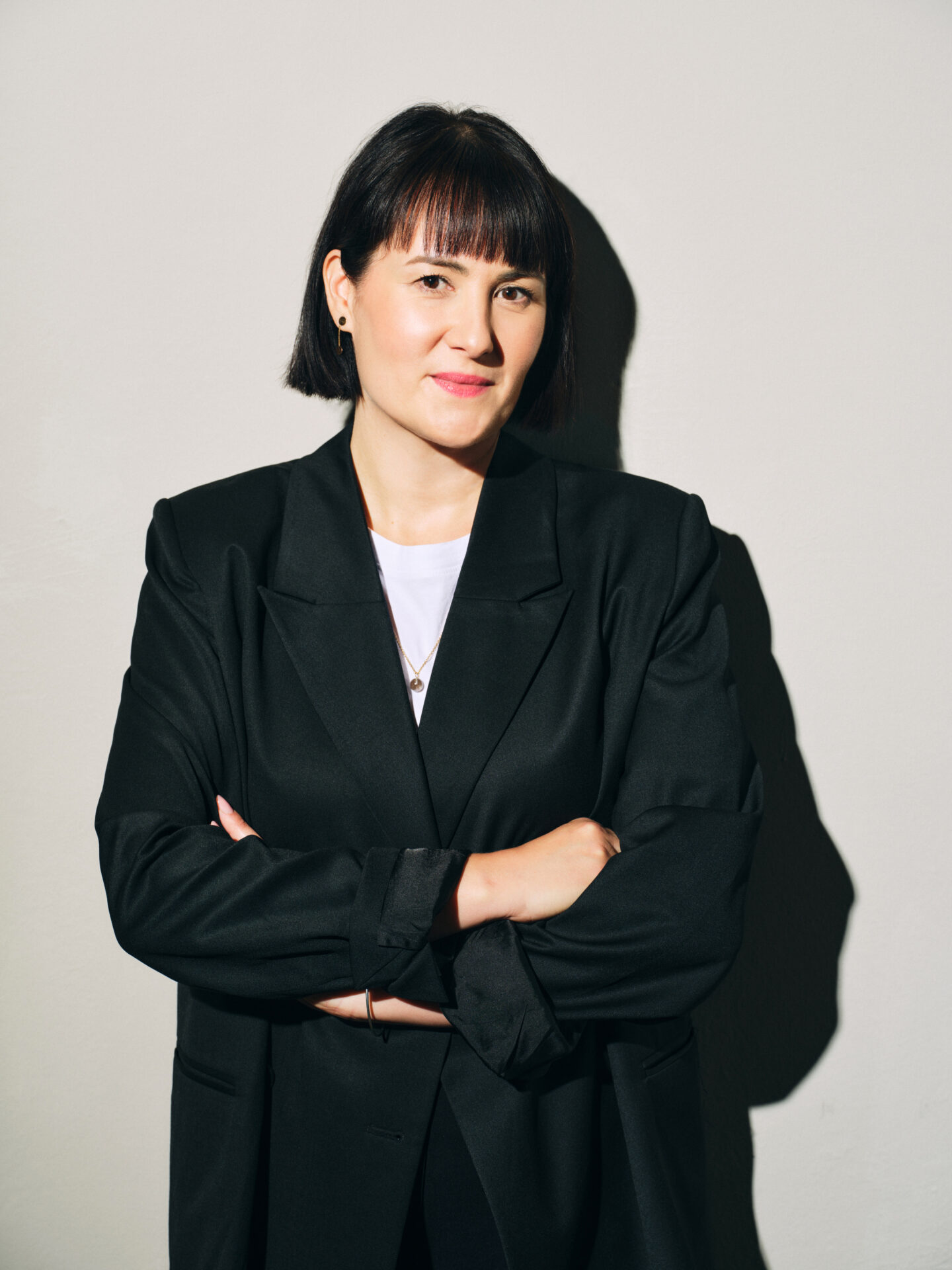
Marion Lummer
Ms. Lummer, what do advertisers expect from a magazine like yours these days?
Lummer: These days, it’s no longer enough to simply offer a company an ad or a banner. We need to think much more in terms of concepts. This can then lead to a combination of print, newsletters, events, contests, product tests, or formats in the Courage Lounge.
Aigner: The bottom line is that the business side must not interfere with editorial work, and commercial content must be clearly labeled as such. Otherwise, we’ll lose our credibility. Credibility is especially crucial when it comes to financial topics.
What are the advantages of being based in Munich?
Aigner: Munich is a strong location for finding talented editors. The city also offers many opportunities in the area of financial contacts. In my view, Munich ranks right behind Frankfurt in this regard—and also stands out for its attractive startup scene. We’re very interested in founders and new business models.
Lummer: And, of course, the quality of life in Munich is a plus, too. After all, a team that enjoys working here is also a competitive advantage for the location.
A relaunch is coming up in October. What will change about the magazine?
Aigner: The magazine is getting a new design and a clearer structure. We’re strengthening the finance section—our core area of expertise—as well as the career section, with even more practical value. Our goal is to highlight even more clearly what sets us apart. There are many lifestyle magazines. Our mission is different: We want to support women in becoming financially independent.
And what is your greatest wish?
Aigner: For us as a publisher, our goal is for everyone to be familiar with our magazine when it comes to finance. I still hear from time to time, “I didn’t even know your magazine existed.” I think that’s a shame, because people are always very interested once they find out about it. Not everyone has to buy the magazine—you can also sign up for our webinars or come to Money Day. But I want our visibility to increase. And my greatest wish for all of us is that equal opportunity and financial gender equality finally become a reality—so much so that we no longer even have to talk about it.
Bannerbild: Andreas Zitt Photography and Julian Mezger