“Here’s to Friendship”: Weltkunst and AD Germany Join Forces
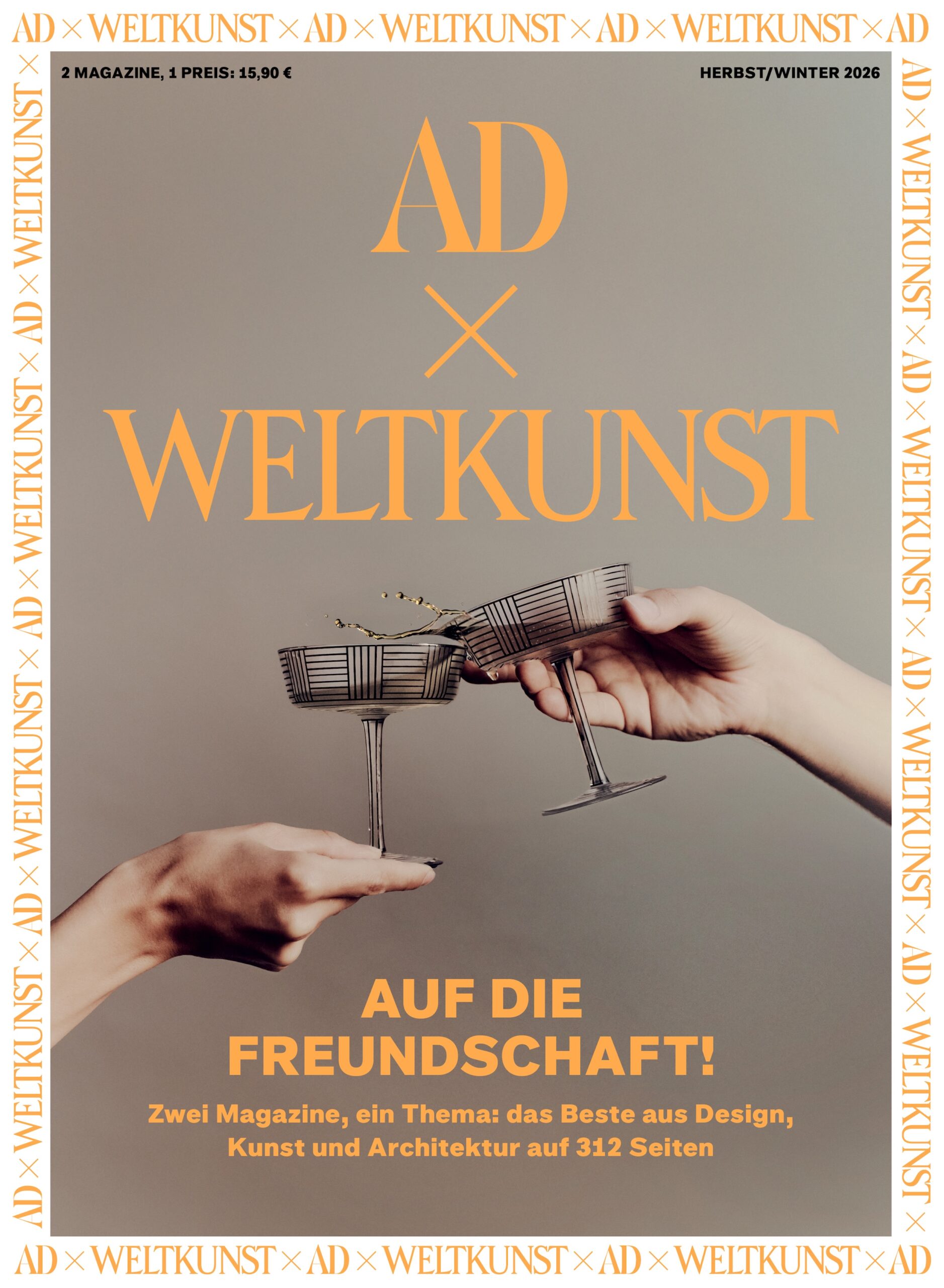
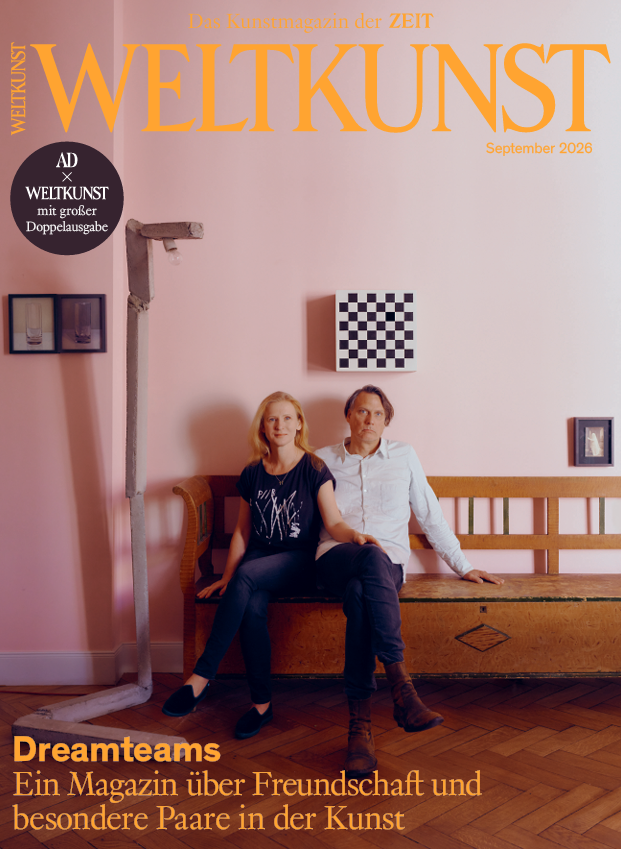
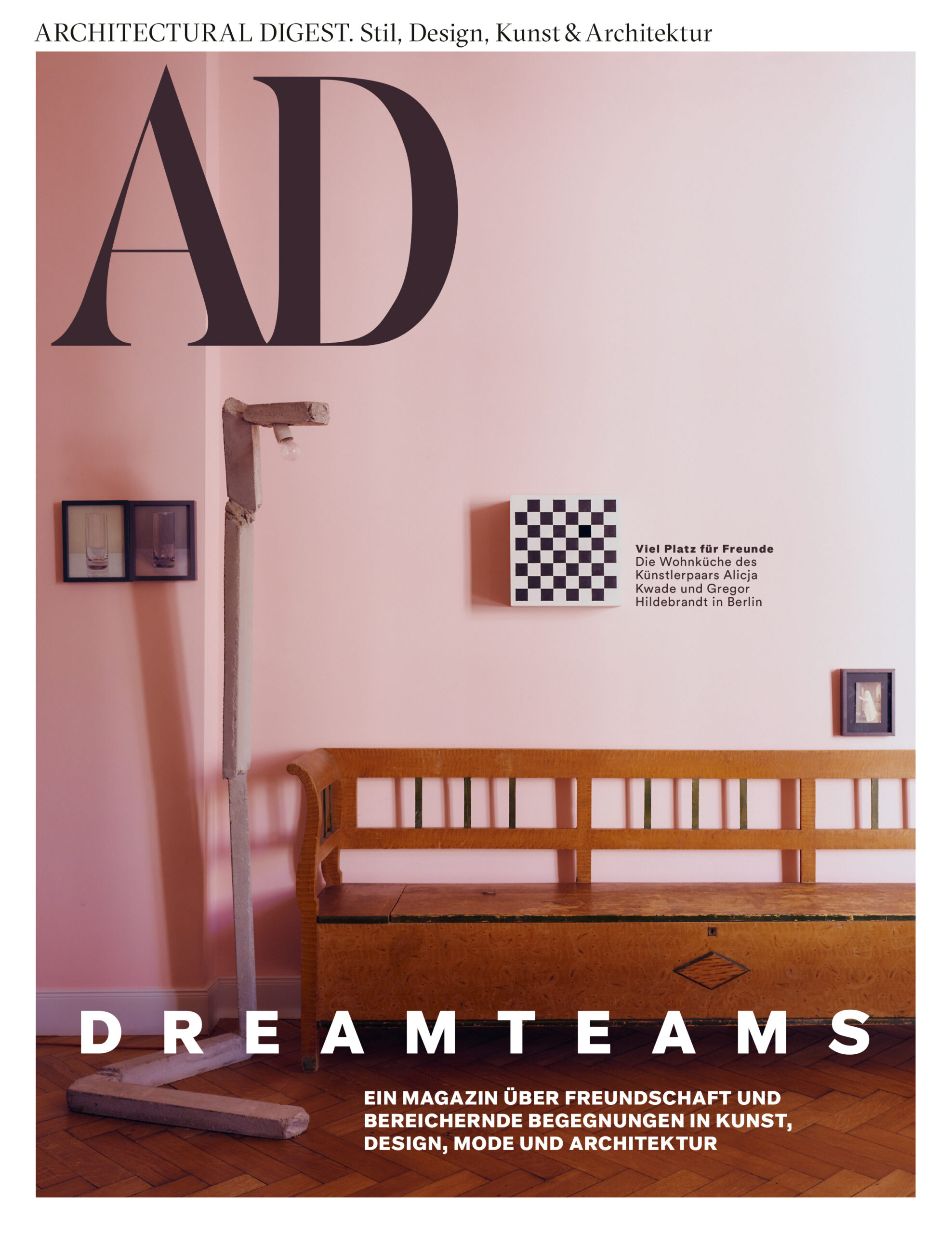
Here’s how innovation works in the old-school medium of print: The editorial teams at *Weltkunst* and *AD Architectural Digest Germany* have collaborated across publishers for the first time on their September issues. Under the theme “To Friendship,” they bring together art, architecture, and design—in the magazine, digitally, and at newsstands.
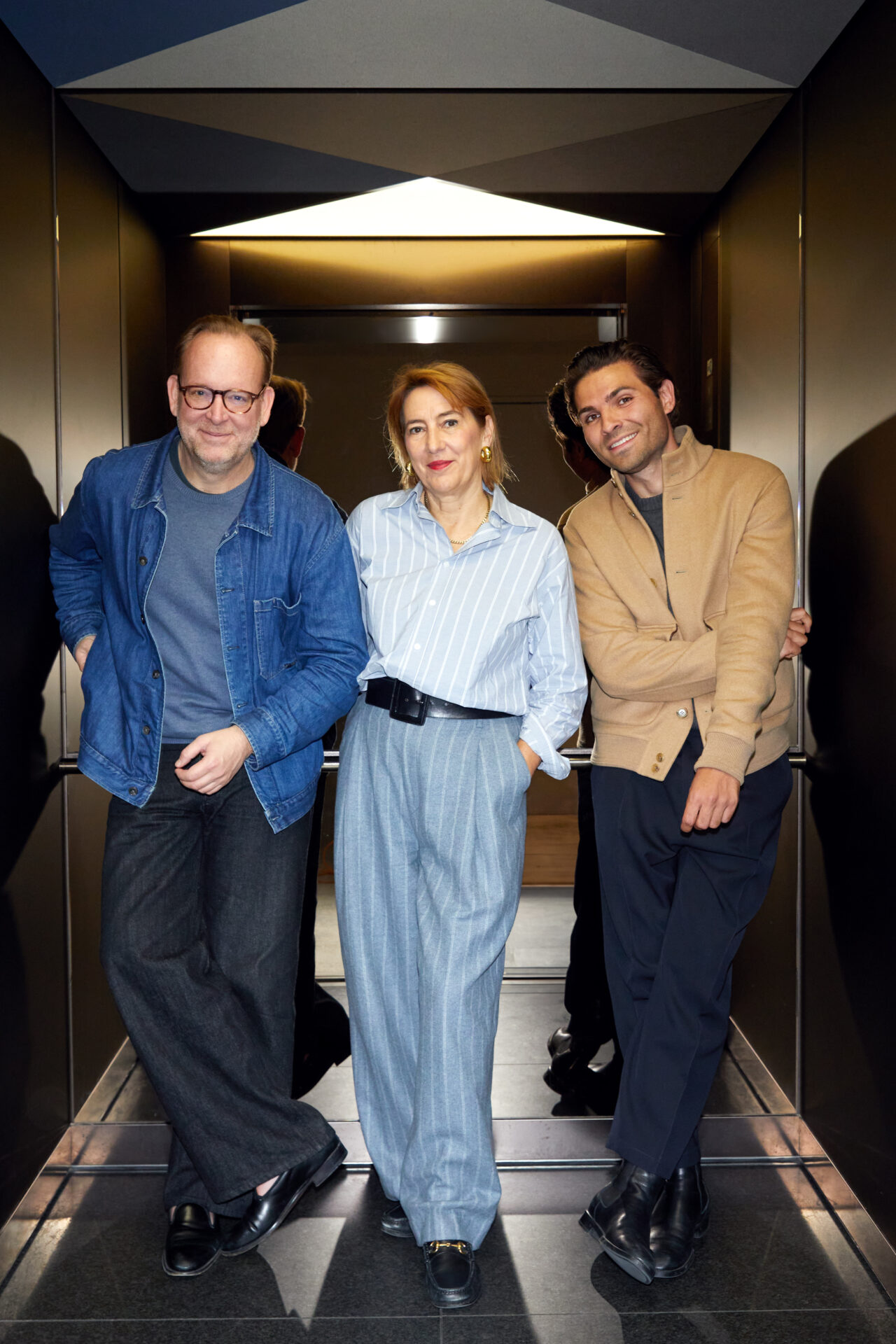
Two editorial teams, two publishers, one shared theme: For “Auf die Freundschaft,” Weltkunst and AD Architectural Digest Germany did more than just pool their expertise. Writers switched sides, interviews and photo shoots were produced collaboratively, and stories were retold from different perspectives. In this interview, Weltkunst editor-in-chief Christoph Amend and Felix Wagner, Head of Editorial Content at AD Architectural Digest Germany, explain what lies behind this unusual project—and whether such collaborations could serve as a model for the future.
Mr. Amend, Mr. Wagner, how did the idea come about to produce cross-editorial issues for the first time?
Christoph Amend: It all started just under a year ago in Berlin, when Felix Wagner and I ran into each other. We talked about our work, including the two magazines, which—despite all their differences—often have overlapping content. Some authors also write for both publications. That gave Lisa Zeitz, Felix, and me an idea: How about looking at the same topic from our different perspectives?
The central theme of these two cross-editorial issues is “To Friendship.” Do you share such a bond?
Felix Wagner: We’ve known and appreciated each other for a long time, follow each other’s work, and share a deep curiosity about art, design, and architecture. For us, friendship doesn’t mean always agreeing with each other. On the contrary: Good friends broaden each other’s perspectives, challenge one another, and inspire new ideas in each other. That is exactly what happened with these issues.
An Invitation to the Each Other´s Publication’s Readers
How do the two booklets differ in terms of content?
Felix: Although we conceived them together, with a few exceptions, the magazines are completely different in terms of content and visual style. One of the topics we’ve approached from different perspectives, for example, is the relationship between art and the kitchen. In AD Architectural Digest, we show how art in the kitchen enhances the quality of life and living in that space, while Weltkunst focuses on depicting the kitchen in art.
Christoph: Or to put it another way: Sometimes a story begins in Weltkunst, then continues in AD. And vice versa. Anyone who buys both magazines can easily follow along, but each magazine also stands on its own. For example, I’ve been interviewing the internationally influential curator Hans Ulrich Obrist every month for Weltkunst for 14 years now. For this issue, we conducted two interviews—one about his friendships with artists for Weltkunst and another about architects and designers for AD Architectural Digest.
AD Architectural Digest Germany focuses on architecture, interior design, and design. Weltkunst offers expertise in art history and a close connection to the international art market. Do both magazines appeal to similar target audiences— Or is reaching the other readership precisely part of the strategy?
Felix: These two issues were conceived purely as an editorial initiative. Of course, it’s appealing to reach each other’s readerships, since they have a keen interest in culture and are highly knowledgeable. We see this as an invitation and want to show just how much there is to discover beyond the familiar perspective.
Today, journalism also means creating physical spaces for people to meet—and bringing together people who might otherwise never have met.
Christoph Amend
What can AD achieve through Weltkunst that it could not achieve on its own— and vice versa?
Christoph: AD Architectural Digest is known for staging rooms, apartments, and houses in a very elaborate way. Weltkunst, of course, also has an eye for striking images, but views them through the lens of art. Especially when it came to cover production, our areas of expertise complemented each other beautifully. It was exciting to see how both editorial teams contributed their own expertise.
Felix: Weltkunst brings a depth of art-historical insight and a close connection to artists, museums, galleries, and collections that broadens the perspective of AD Architectural Digest. AD Architectural Digest, in turn, can show how art truly comes to life: in homes, studios, and spaces, in relation to furniture, light, and architecture. We benefited greatly from this in this project.
Was there an idea from the other editorial team that initially made you think, “That doesn’t fit us at all”?
Felix: There were stories where we were particularly drawn to the different perspectives of the two editorial teams. For example, for the two issues, we spoke with a female and a male companion of the artist Martin Kippenberger about the topic of friendship—for Weltkunst with Kippenberger’s Cologne-based gallerist Gisela Capitain, and for AD Architectural Digest with the photographer Albrecht Fuchs.
The Only Bump in the Collaboration Was the Video Call
Two newsrooms, two brands, two different journalistic cultures: Where did the collaboration hit a snag?
Christoph: The only thing that ever glitched was the video stream (laughs). We experienced collaboration as a way to broaden our horizons, as well as an exchange of knowledge on the go—something you couldn’t even imagine. For us, it was something special to keep taking the time to do this amid the often hectic, day-to-day work of the newsroom.
Was the editorial workload actually greater in the end, or did synergies perhaps emerge?
Felix: The effort involved in producing two such magazines is significantly greater because you spend much more time working on an issue like this. We kicked things off in January 2026, and from then on, we held weekly editorial meetings with everyone involved—from art direction to copywriting to photography.
Christoph: At the same time, a positive energy emerged that sustained us throughout that long period and, time and again, actually lifted our spirits.
The collaboration will be promoted through both brands’ digital and social media channels. Will you be applying the cross-editorial principle here?
Felix: For the first time, two magazines are collaborating on digital platforms and adapting print content into digital video formats. Among other things, we produced a video in Berlin in which artists, creatives, and members of both editorial teams answer questions about friendship in an informative and entertaining way. Another example is the Weltkunst format “Collectors’ Seminar,” which we adapted for AD Architectural Digest and brought to the digital space. In the video, three experts offer tips on investing in furniture from the 1990s.
Joint Journals Remain the Exception for the Time Being
What metrics will you use to determine whether the experiment was successful?
Christoph: Of course, we’d also be happy to see increased visibility for both magazines. But it’s also very important to me to highlight just how innovative print can be in our digital age. We wanted to show what’s possible with printed magazines today when you explore new, unconventional approaches. If we can set an example with this, we’d be delighted.
Could this lead to more than just two joint issues in the long run—such as joint events, digital formats, or other editorial projects?
Felix: We’re very confident that the project will be well received by the market. For now, however, it will remain a one-time initiative.
Christoph: Producing two magazines in two cities through two different publishers is quite a lot of work. But the collaboration goes beyond the magazines: To kick off Art Week in Berlin, we’re hosting a joint evening event. After all, journalism today also means creating physical spaces for people to meet—and bringing together people who might otherwise never have met. There’s no concrete plan for a follow-up, but the collaboration has been truly enriching for both sides. And it felt surprisingly easy—actually, just the way a good friendship should be.
Bannerbild: Markus Burke