Experiencing Journalism: What the First SZ “Mindpop” Festival in Munich Was Like
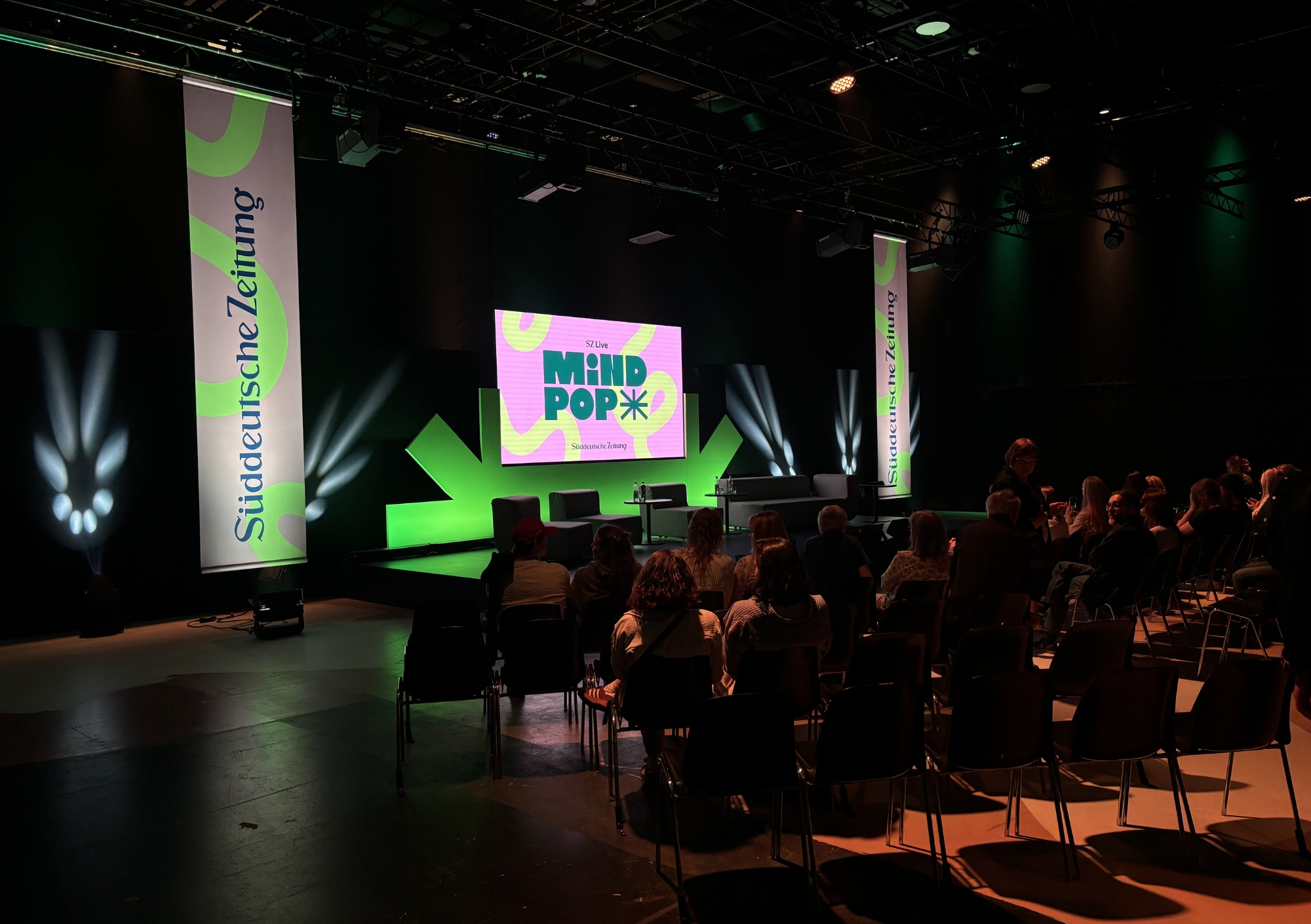
Live podcasts, controversial panels and clever thoughts straight from the editorial team to the stage: Süddeutsche Zeitung's "MINDPOP" festival celebrated its premiere at Bavaria Studios. An exciting example of how a media brand can become a genuine community experience.
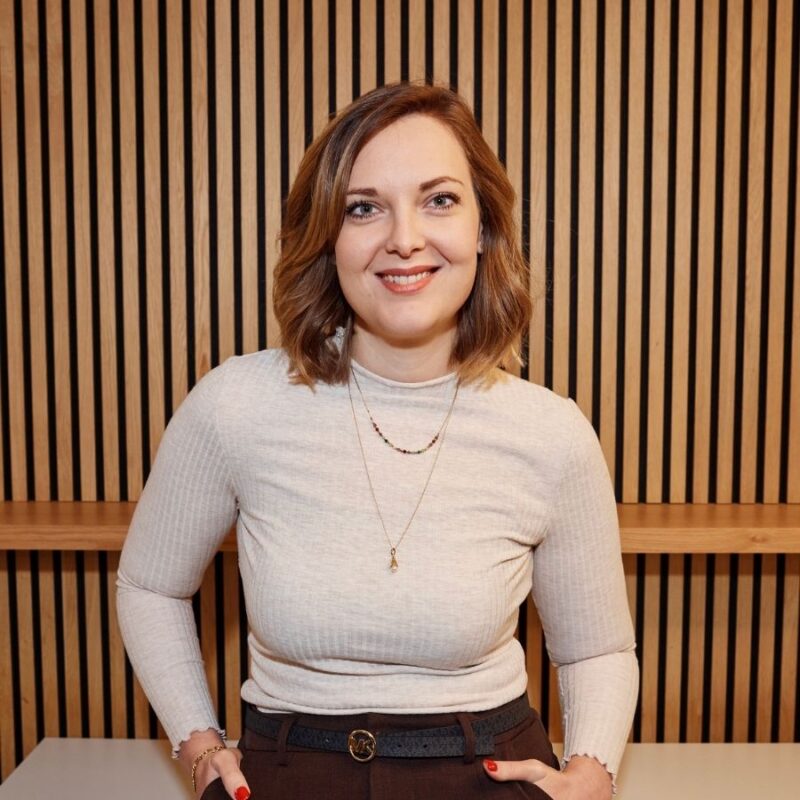
When the Süddeutsche Zeitung invites you to the “Festival for Smart Thoughts”, not only theory and practice come together in the Bavaria Studios, but above all journalists, influencers and experts meet their community. With the new “MINDPOP ” format, SZ has made the leap from paper and screen directly onto the stage. The aim: to bring quality journalism to life and offer a platform for direct exchange. Organizer Stefanie Maier explains the vision behind the event: “The basic idea was to bring topics and perspectives live on stage that can be found in the ‘SZ’, but not at individual events or that are not widely covered.”
Interaction and event character: best case for community management
For the Bavarian media industry, the format is an exciting best case in terms of community management. Instead of just broadcasting information, “MINDPOP” focused on interaction in the form of talks, live podcasts and DIY sessions on three stages. Whether it was climate change with Özden Terli, the power of TikTok algorithms with Victoria Reichelt or socio-critical questions about racism, feminism and pressure to perform – the variety of topics was as broad as the SZ departments themselves. “We wanted to bring SZ journalism to life and show a different side of it,” says Maier. The fact that no narrow motto was deliberately chosen left room for “a wide variety of personalities and opinions”, with the strong presence of female speakers in particular shaping the program.
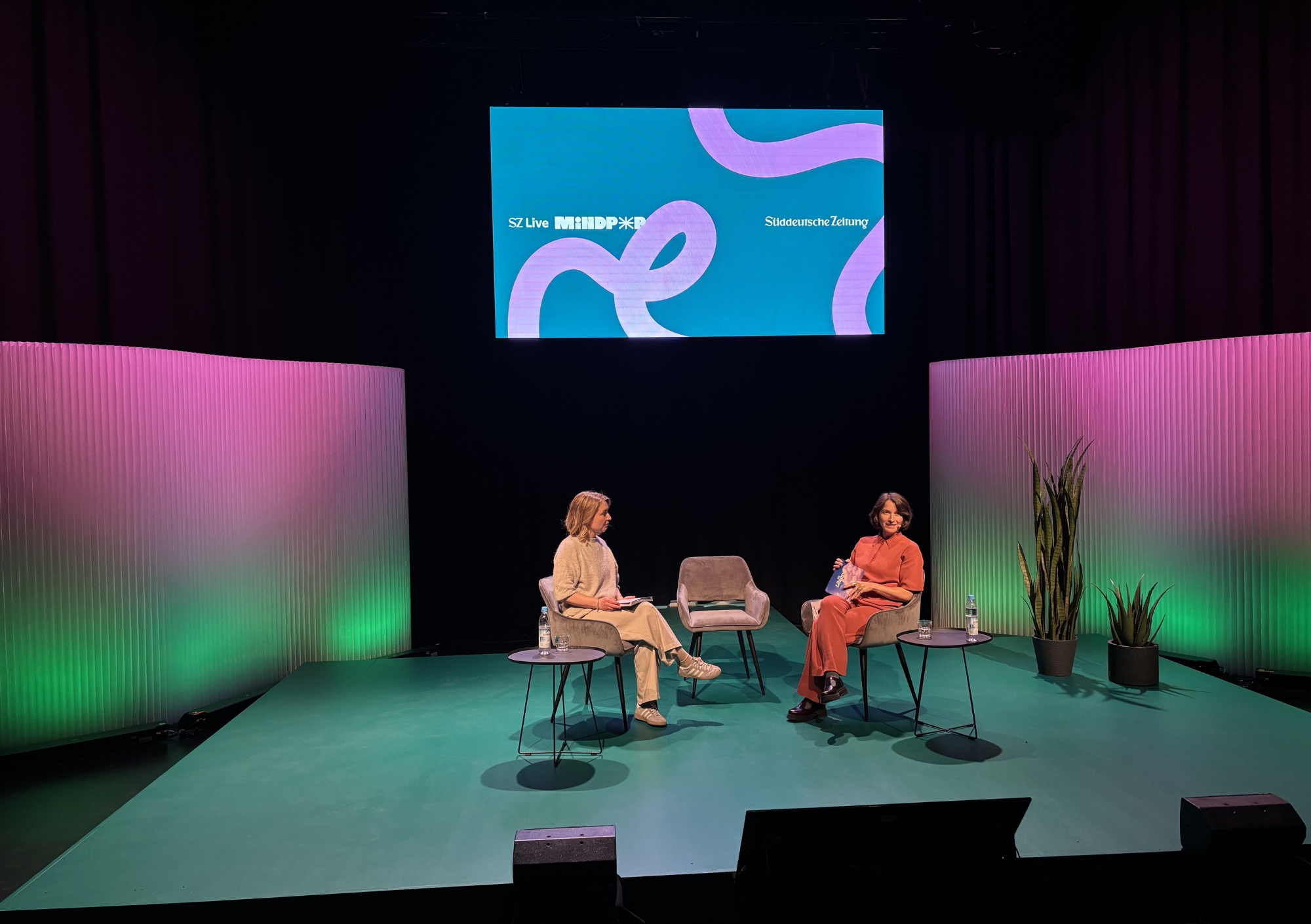
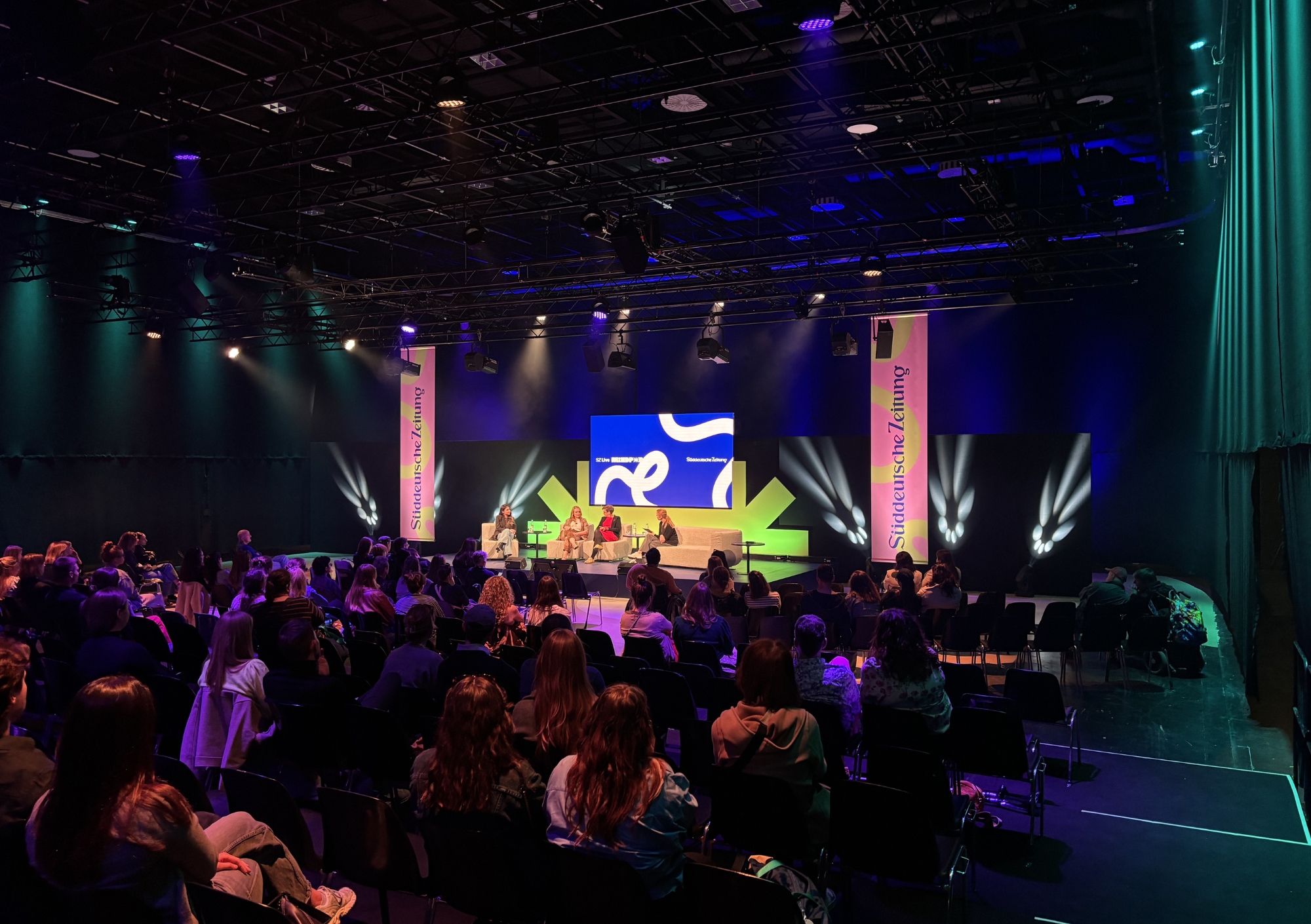
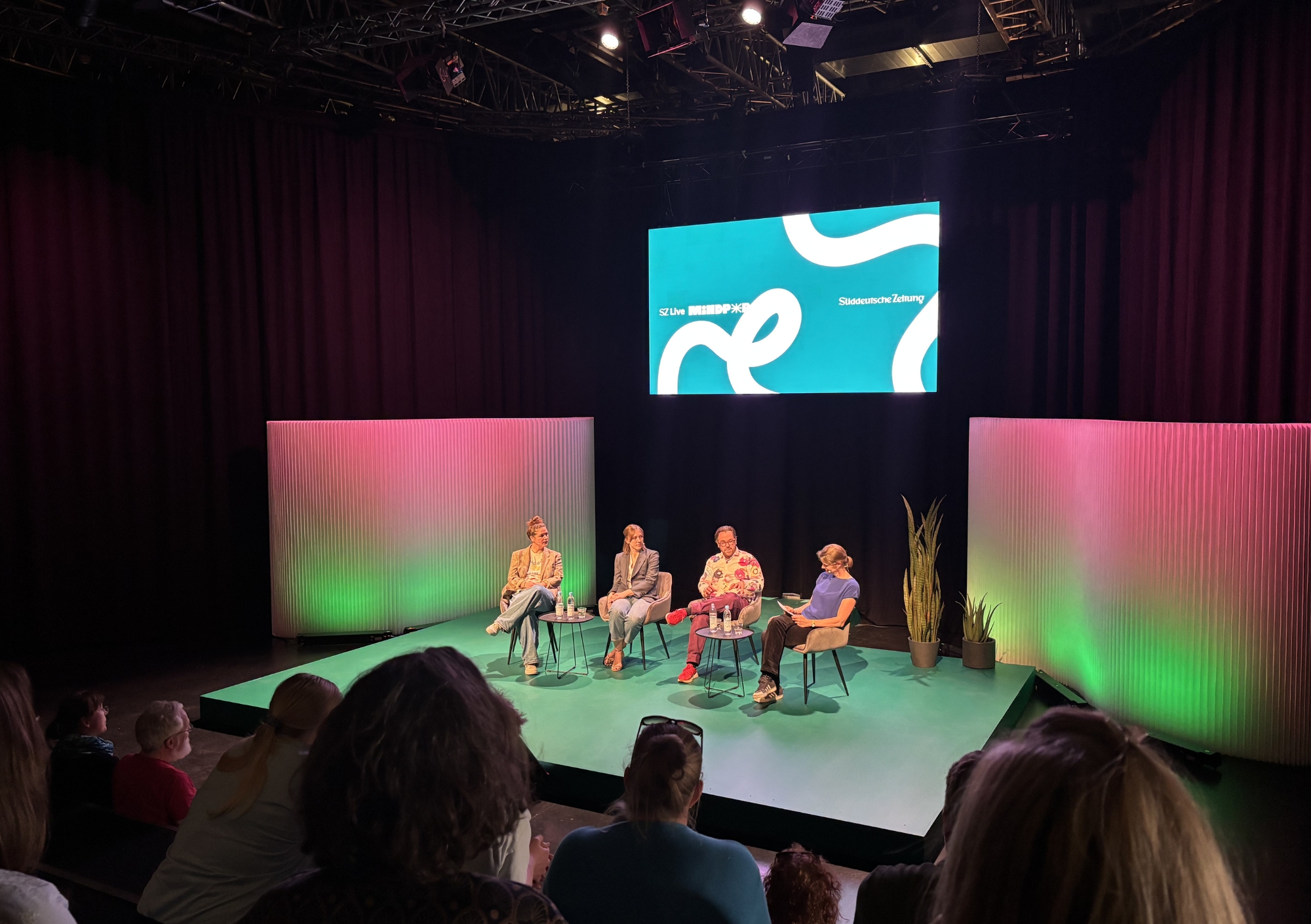
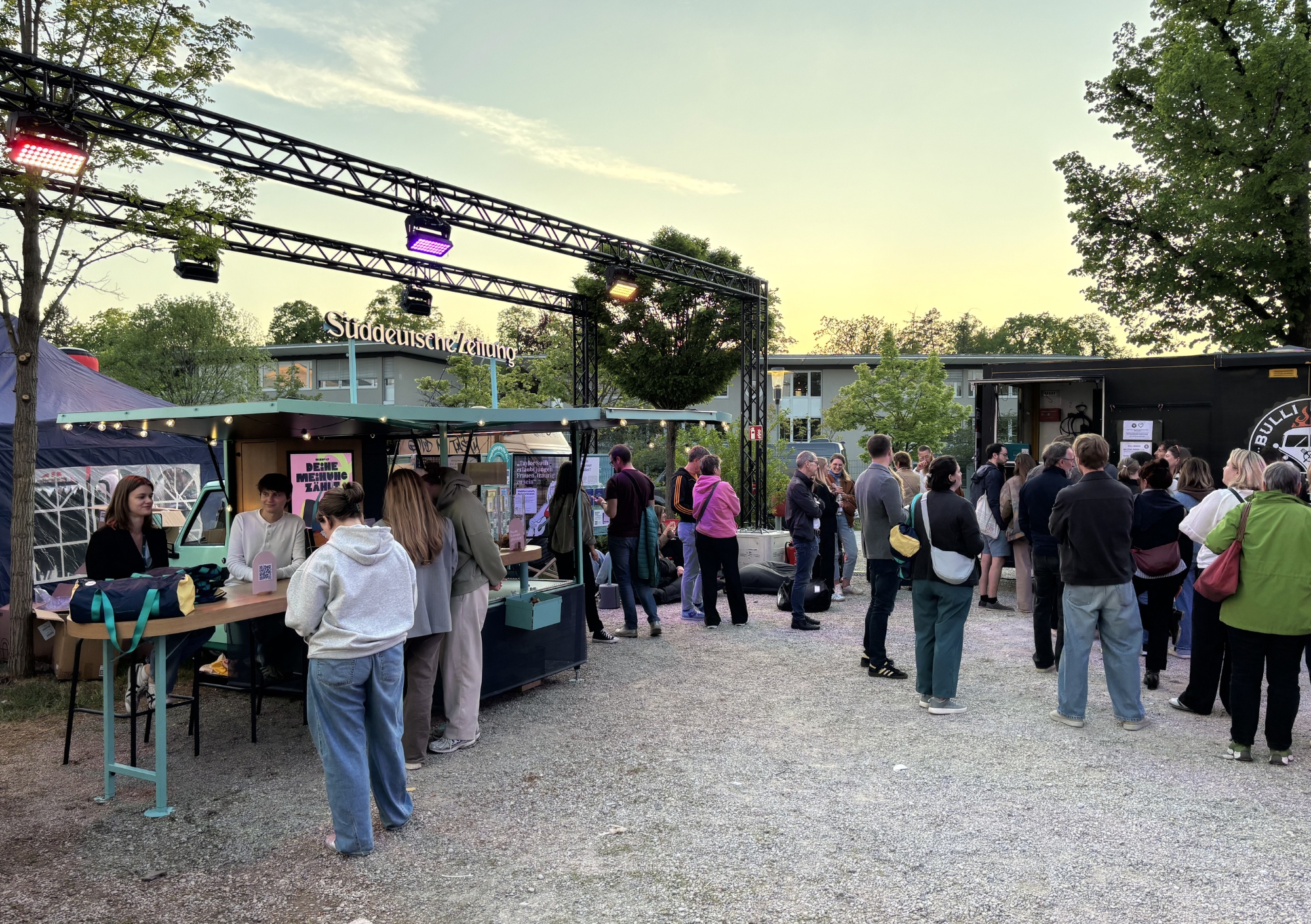
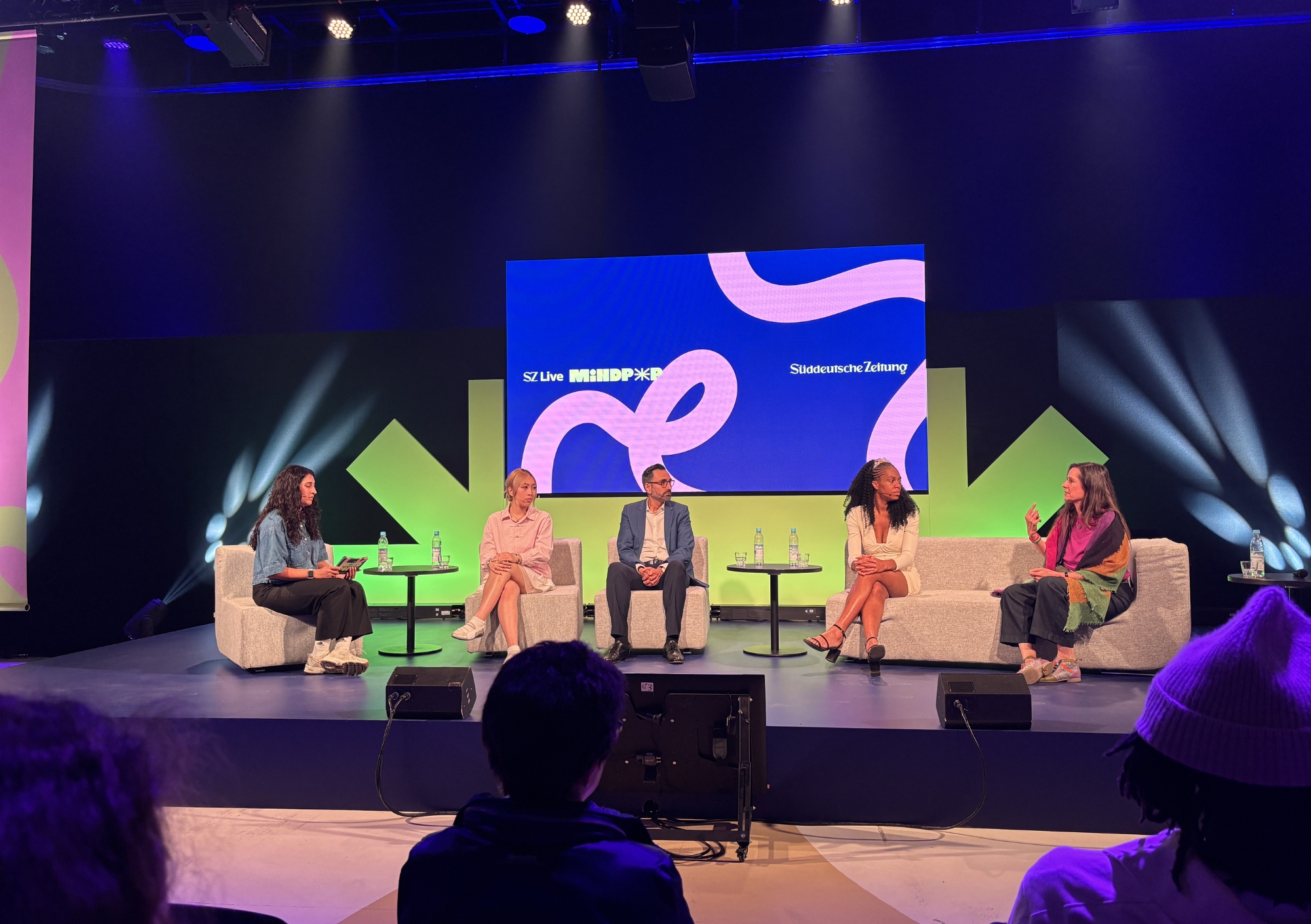
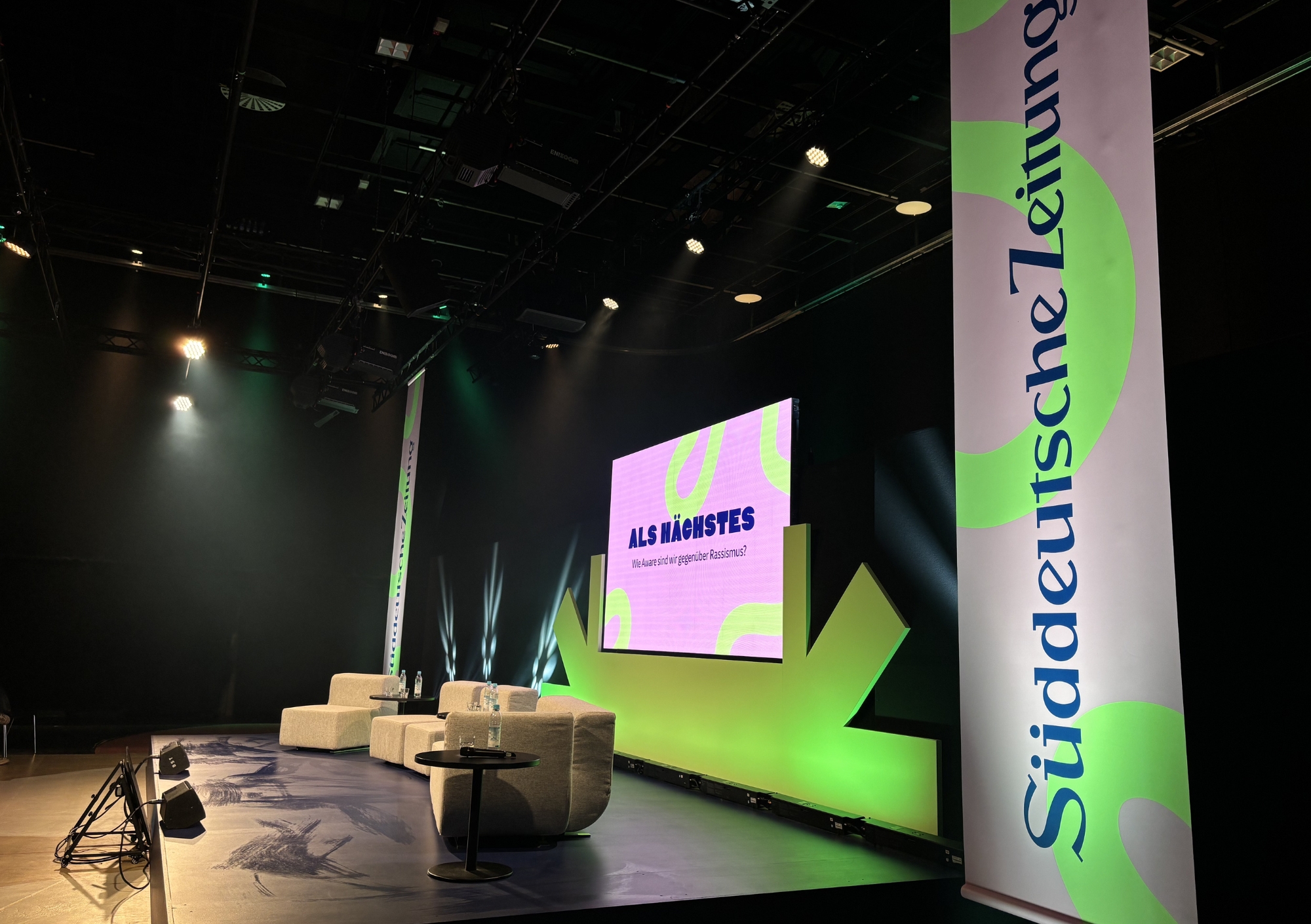
By hosting the “MINDPOP” festival, SZ is jumping on a trend that has been observable for some time: media consumption is no longer one-sided, nor is it entirely digital. People want to come together again in physical spaces, exchange ideas, experience idols and media makers live. The festival’s target group – mainly 25 to 45-year-olds who are curious and like to question things critically – took the opportunity to exchange ideas. Stefanie Maier sees this as an important social function: “At an event, you can delve deeper into topics and people, take your time and have fun. At best, it even creates a sense of togetherness because you come into contact with people you would never have met otherwise.” In 2026, live events are more than just marketing – they are an anchor point for brand loyalty and genuine dialog.
The conclusion after two days full of inspiration was positive across the board. The courage to experiment with wrapping journalism in festival garb paid off. The mixture of depth and entertainment was well received by the inquisitive target group. And the organizer is also satisfied: “The first time in particular is always an adventure – in every respect, but I’d say we’ll see each other again in 2027.”
Three things we learned from the SZ “MINDPOP” festival:
- Live events are the new go-to for media companies
In a world where the digital offer of journalism and entertainment is almost unlimited, physical community management is becoming a key differentiator. Now more than ever, people are looking for a sense of belonging and the chance to interactively shape brands and topics. The MINDPOP Festival has shown that direct encounters with “idols” from journalism and social media create an incomparable bond. Stefanie Maier sums it up: “The exchange with and between each other, the feeling of being live at an event, having a good time and going home with a good thought is more important than ever.”
- The audience is as diverse as the topics it deals with
The “MINDPOP” festival has shown that the courage to be thematically open works. Instead of limiting itself to a narrow overarching theme, the SZ deliberately opted for maximum diversity. The program ranged from the political situation in Iran and the climate crisis to socio-critical discourses on racism, feminism and psychology. “We want to show diversity and therefore deliberately didn’t choose a motto,” explains Stefanie Maier. “Every topic should have its own space and it was very important to us to show a wide variety of personalities and opinions in different formats.” The openness of the content was reflected in the audience: in the Bavaria Studios, schoolchildren met best agers, which underlined the fact that relevant content knows no age limits if it is presented authentically.
- Journalism is not limited to one platform, but works interactively today
Modern journalism has long since mastered every conceivable form: from classic panels and readings to live podcasts, stand-up comedy and keynotes. The diversity is no longer just in the topic, but in the way it is communicated. Interaction was a pillar of the festival in its own right: Whether through direct questions after the talks or in DIY sessions, such as the humorous painting lesson with Instagrammer Carlo Sommer or creative crafting sessions: The audience went from being passive consumers to active participants in the format. The lesson for media companies is clear: in the battle for attention, you have to pick up your target group where their interests lie – and in as many different ways as possible.
Bannerbild: XPLR: MEDIA in Bavaria