XPLR Panel at DOK.fest: When AI Challenges the Documentary Film
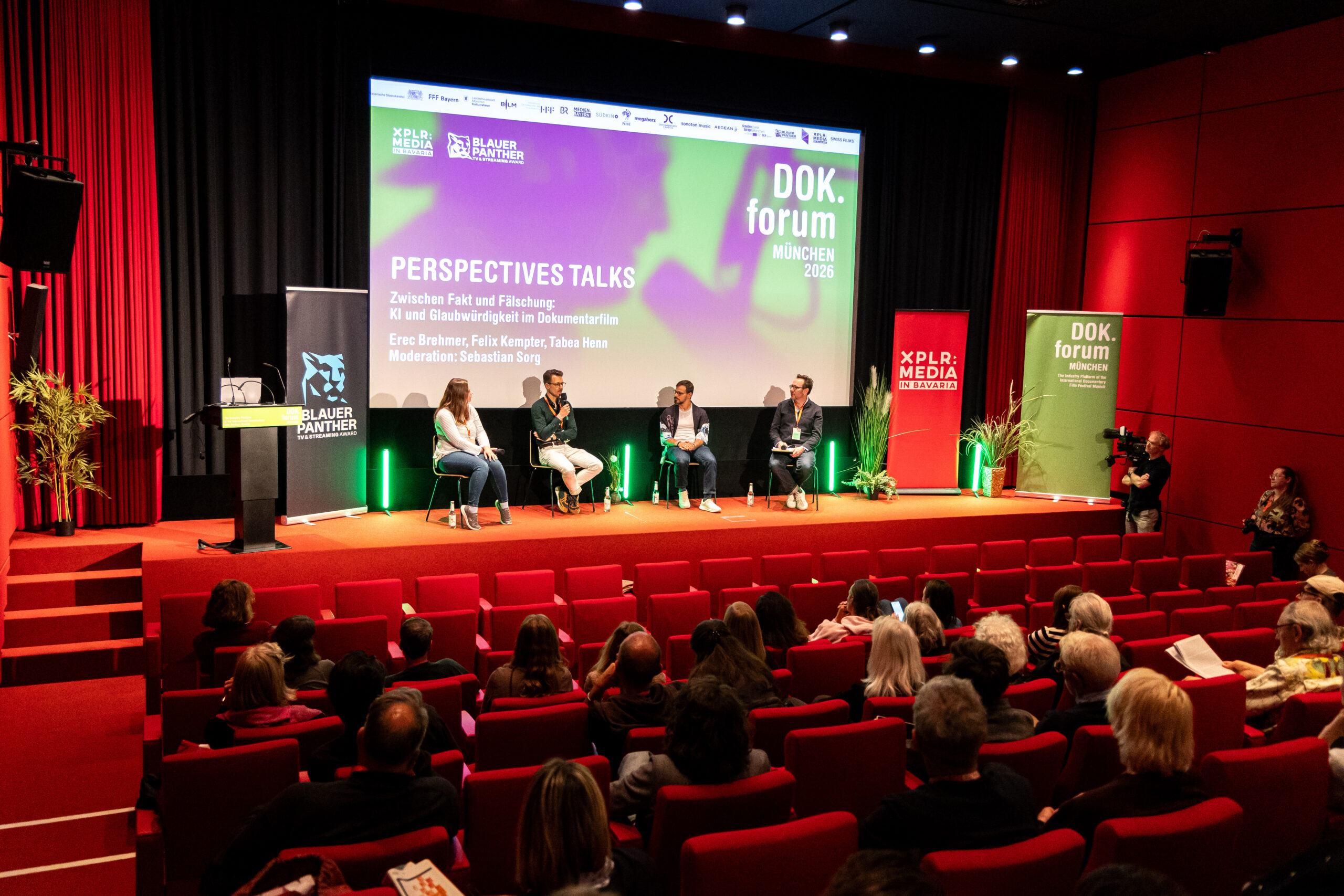
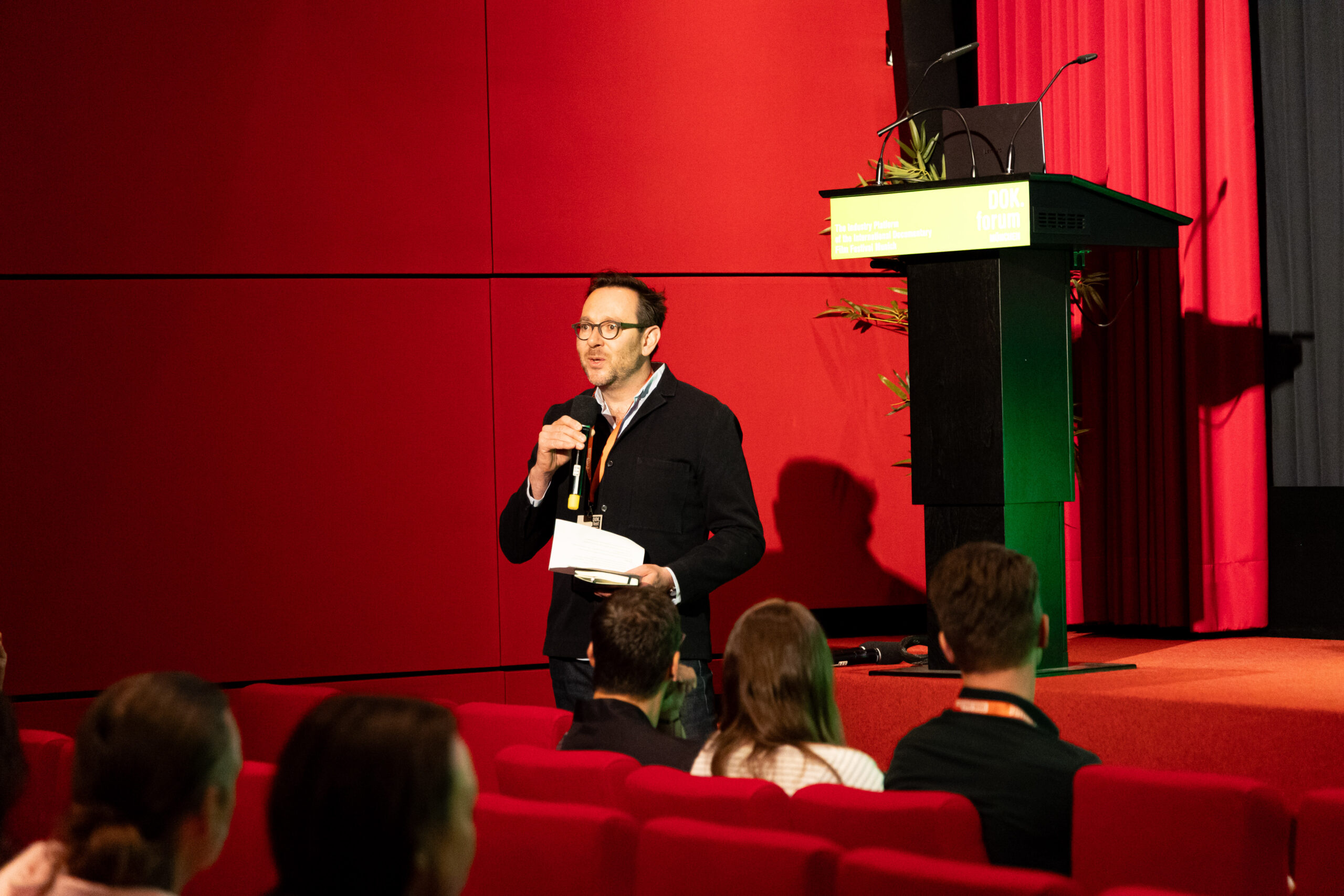
A full hall, burning questions and a technology that is changing everything: At this year's DOK.forum as part of DOK.fest, XPLR: MEDIA in Bavaria and the Blauer Panther - TV & Streaming Award organized a joint panel for the third time. This year's topic "Between Fact and Fake: AI and Credibility in Documentary Film" struck a nerve.
The documentary film genre has always been caught between depicting reality and interpreting it. But what happens when the voices of the deceased are suddenly heard again or historical events are brought to life using generative tools? Together with moderator Sebastian Sorg, experts from film, television and science discussed the new limits of what is possible.
“Born to Fake”: A film about untruths and fakes
Erec Brehmer, AI filmmaker, opened the event with a fitting example: his film “Born to Fake” about the notorious TV counterfeiter Michael Born. For his documentary, the filmmaker spent a lot of time working with AI , tested a number of things and used the technology to make the deceased Born speak again. “We tried out a lot and in the end decided not to use a lot of it,” admitted Brehmer. Creating new material that does not correspond 100 percent to reality gave him a strange feeling. The core question of the project was less technical and more philosophical: why do we actually believe what we see?
In his keynote speech, Brehmer addressed the question of what distinguishes classic from modern documentary film. While classic documentaries wanted to depict reality, modern documentaries have long since interpreted it. He used the term manipulation in the context of editing and explained that it has different faces, some of which are already being used in the production of documentaries. For example, narrative manipulation, which refers to the dramaturgy of a story. Aesthetic manipulation is also commonplace, for example through color grading and sound design. Factual manipulation, in which information is falsified and misrepresented, is more difficult. The question for Brehmer was: at what point does a format lose its credibility? How do we define “truthfulness” in today’s sense?
“The Nazi cartel” and the labeling requirement
The keynote speech was followed by a panel in which three top-class speakers explored the topic together: Historian Tabea Henn (Klios Spiegel) shed light on the scientific and historical components. Director Erec Brehmer contributed a practical perspective from the world of film production. The panel was rounded off by Felix Kempter from Sky, who used the example of the documentary “The Nazi Cartel” to illustrate how the streaming provider is already using AI-generated content in documentaries.
“At Sky, we are curious about AI-generated content,” says Kempter. In “The Nazi Cartel”, voices were partly generated with AI. He pleaded for responsible use of the technology. The task now is to find the right rules and forms for its use in documentaries.
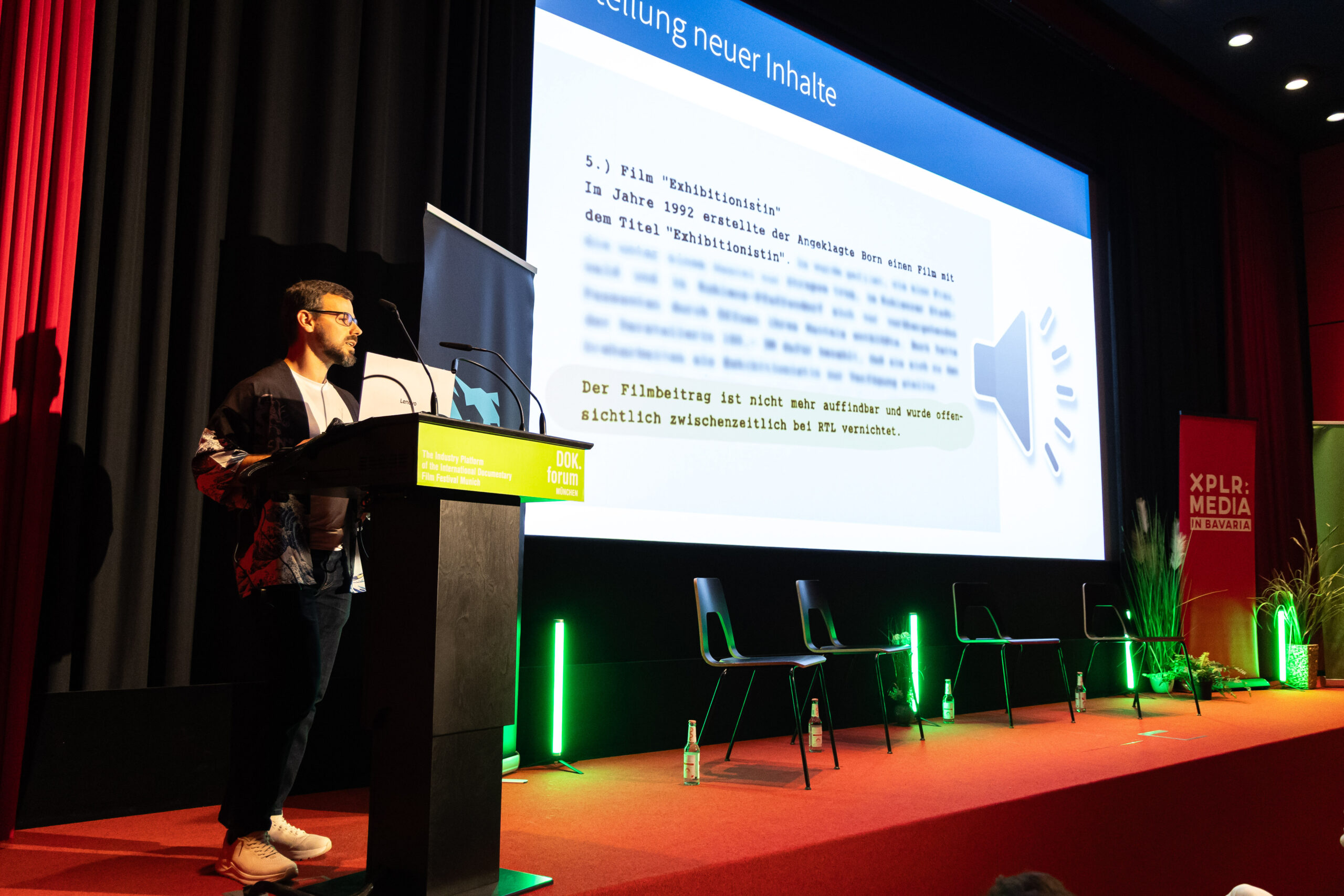
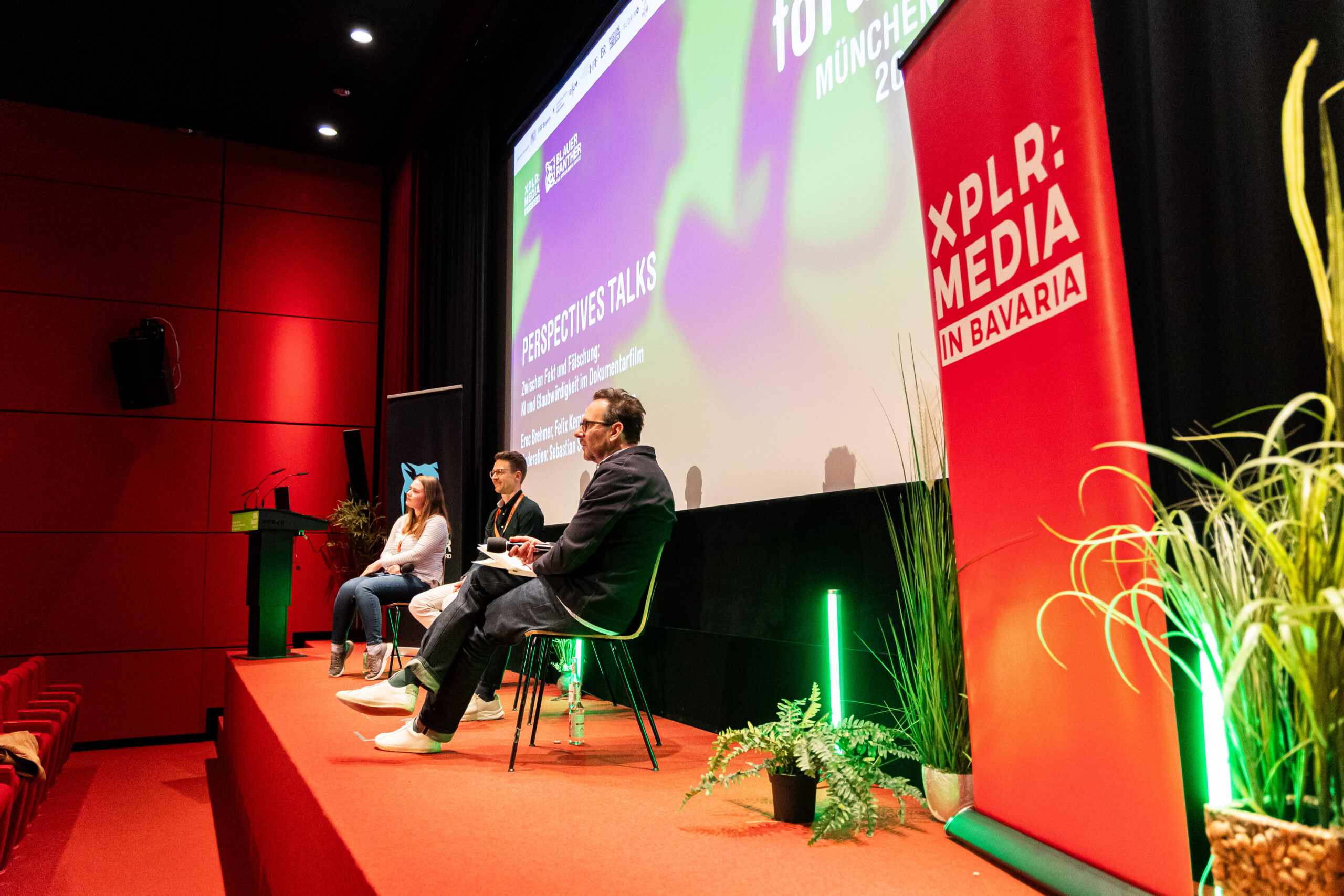
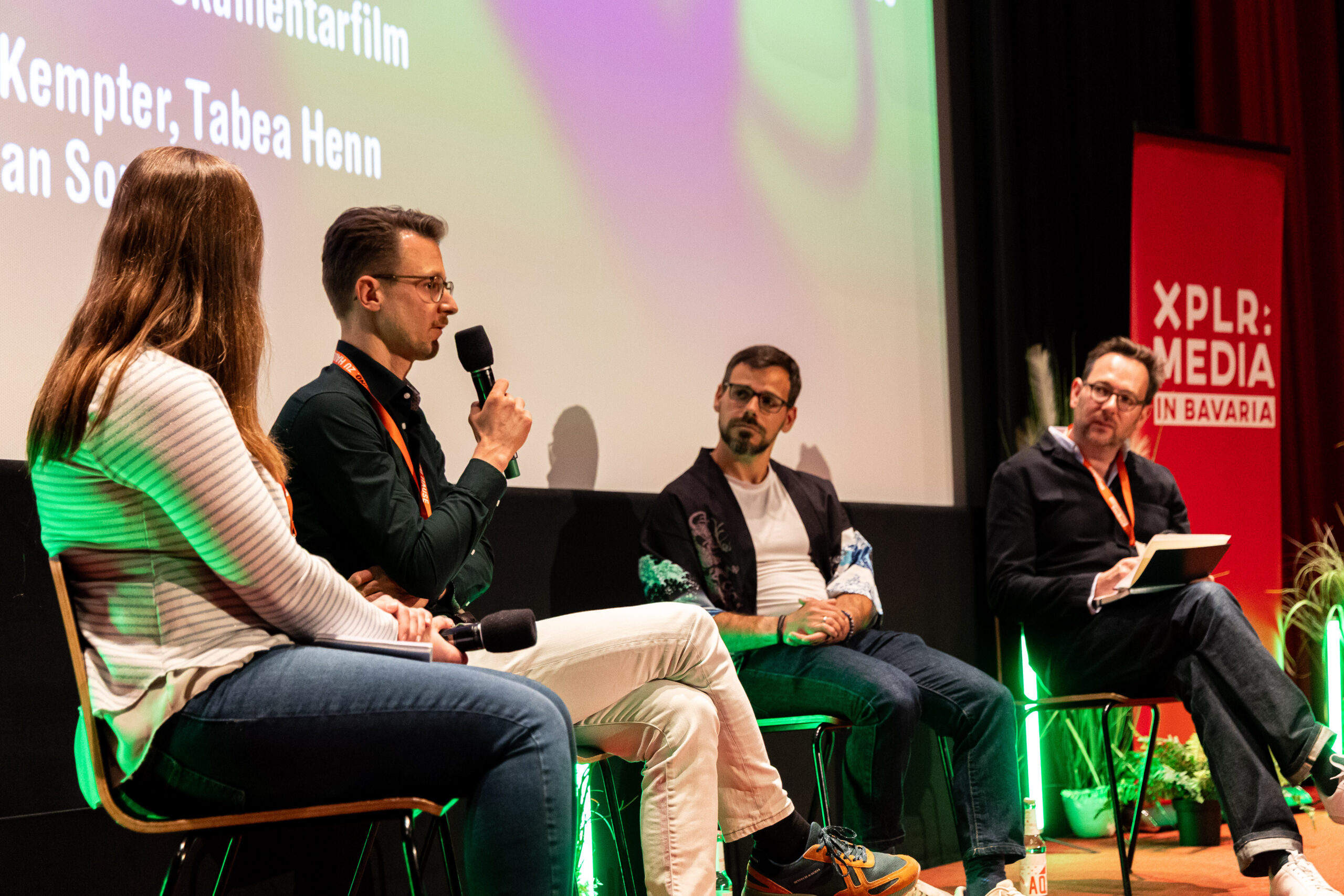


However, historian Tabea Henn (Klios Spiegel) urged caution, especially with sensitive topics. She reported on AI-generated images relating to the Holocaust that appeared deceptively real. Her findings from a scientific perspective: “Authenticity is not something that can really be achieved – in the end, the viewer decides whether they perceive something as authentic.” One point that was particularly close to her heart: “I fear that labeling genuine material increases the notion of truth. We must not stop questioning content, because just because a recording is not AI-generated, it could still be taken out of context and told in the wrong context.”
Reenactment vs. AI: What’s the difference?
In the discussion with moderator Sebastian Sorg, the question was raised: Isn’t an AI visualization ultimately the same as a classic reenactment? For Erec Brehmer, there is one crucial difference: the human process. Reenactment involves researching what an apartment looked like or what was in the newspaper; people physically recreate the scene. AI, on the other hand, draws from a pool of probabilities. Felix Kempter was of a different opinion: even an AI can be prompted so precisely that the result corresponds to how it once was.
The panel agreed on the topic of labeling. While the European AI Act creates the first legal framework in Europe, the psychological component remains difficult. Brehmer pointed out: “We humans can’t believe what we see. The images remain in our heads, even if ‘AI’ is next to them. And when in doubt, we can’t remember whether they were AI-labeled or not.”
AI in the documentary: An outlook with confidence
Despite all the risks, the panel ended on a positive note. For Felix Kempter, AI is absolutely worthy of support as long as its use is subject to clear criteria. Tabea Henn sees potential if AI makes people think. Erec Brehmer even sees the technology as an opportunity for the analogue medium: “In the best-case scenario, traditional documentary film will be upgraded because young filmmakers are consciously doing without it and really want to go to the places where the action is taking place.” He sees potential for the technology above all in making material that is difficult to access, such as archives, visible.
Bannerbild: XPLR: MEDIA in Bavaria