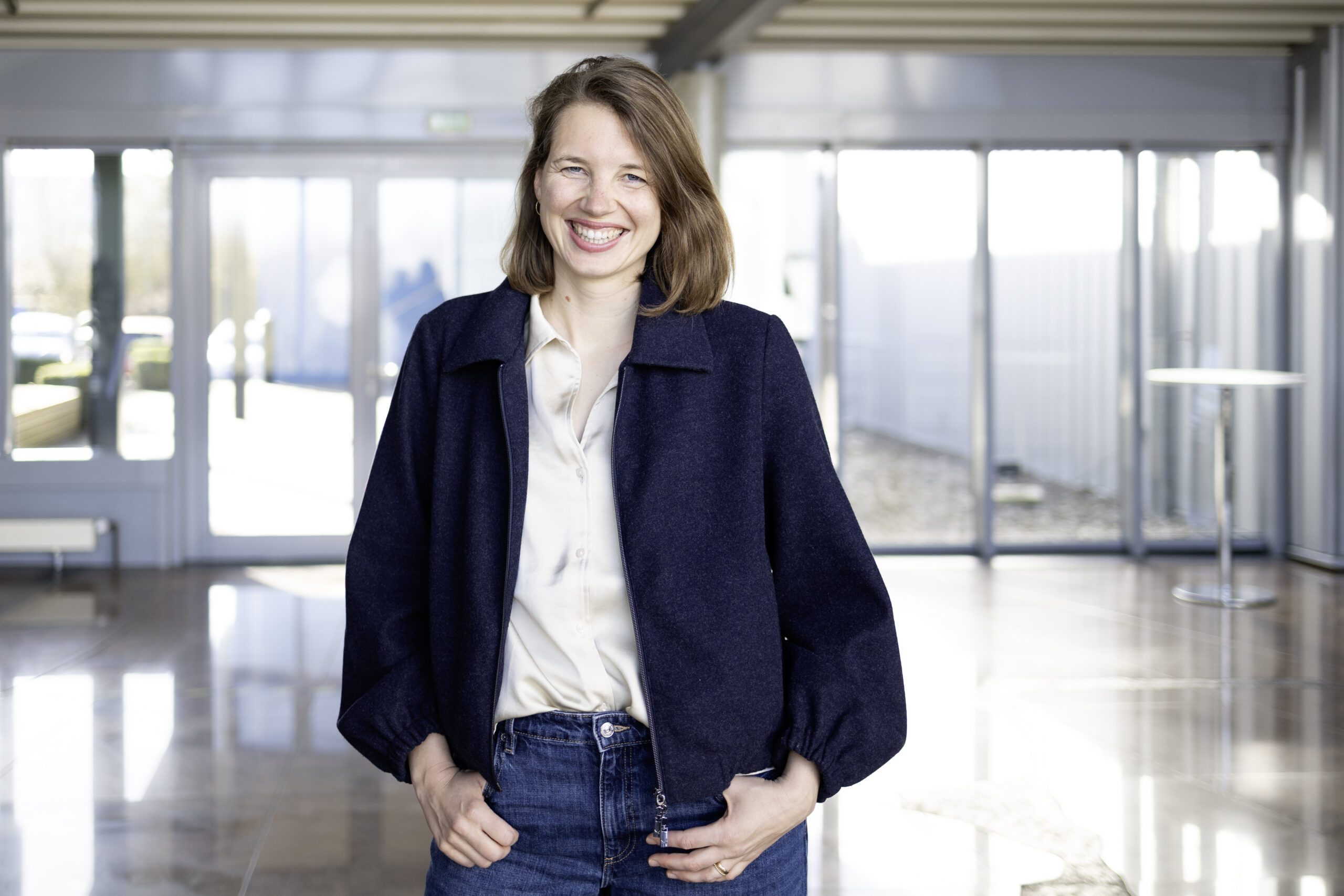
Meike Schmid: The Main-Post’s First Dialogue Manager
In an age of digital information overload and economic pressure, how do local media outlets manage to build rapport and trust with their readers? Meike Schmid is the Main-Post’s first engagement manager. In this interview, she explains why journalism needs to become a tangible experience again, how pop-up events in town squares strengthen the community, and why no AI in the world can replace face-to-face conversations on the ground.
Meike, you’re the engagement manager at the Main-Post. What exactly are your main responsibilities?
Meike Schmid: My main task is to open up new interactive avenues for local journalism. We want to connect more directly with the people in our region. I’m trying to take journalism out of people’s cell phones and computers and bring it to town squares, bars, cafés, and other public places. And to show: We’re right here in the community, you can experience us firsthand, and we’re interacting with you in one way or another.
Where does this position fit within the company?
Meike: As a dialogue manager, I’m a permanent member of the editorial team. I report to our editor-in-chief, Ivo Knahn. That’s what makes my role a bit unique: usually, this area falls under the events department. Nevertheless, I’m also in close contact with our events department and the reader market.
Investing in Community and Trust as the Future of Local Journalism
The Main-Post created your position in early April. Why did they see a need for it?
Meike: For one thing, the editorial boards of the Pressedruck media group—that is, the *Südkurier*, *Augsburger Allgemeine*, and *Main-Post*—have identified which roles currently exist and which ones should be created in the future. One role that has been given greater emphasis is dialogue management. The basic idea was to distribute this role across the local newsrooms. That’s where I come in: I worked in various roles in the newsroom for ten years—first as a reporter, then as a video art director, and most recently as a section editor. I’ve also done a lot of hosting and content creation. I’ve always been firmly convinced that we need to engage more with people and ask ourselves: How can journalism be fun while still delivering serious content? How can we make our presence felt effectively and not just disappear into the vast digital landscape? At the Main-Post, we found the solution: introducing a central position to organize dialogue management—and that’s me. On the ground, colleagues from the sports and investigative departments, as well as the local newsrooms, participate in these initiatives; after all, they’re the faces and points of contact who engage with the public.
What exactly does the media company hope to gain from this position?
Meike: The key words are closeness, visibility, and trust. These are what are known as “soft factors,” but they’re very important—even if they’re hard to quantify in an Excel spreadsheet. The goal of the editorial board and the publishing house is to strengthen this closeness and trust. We all know that local journalism is under extreme economic pressure. That’s why it’s important to focus on this: What actually sets us apart? What can we offer that no one else can? Clearly, it’s our network and our on-the-ground presence. That’s why I see my role as an investment in the future.
Is that also why this job is so important to you personally?
Meike: I love journalism, especially local journalism, and I think it’s incredibly important that it exists. I want to open up a new avenue for this kind of journalism and make sure we don’t sell ourselves short. Face-to-face interaction and building trust are things that AI will never be able to take away from us.
Especially in politically challenging times, it’s extremely important to make yourself visible, engage in conversation, and listen sincerely. We held over 30 campaign events for the local elections, and they were packed to the brim—in every small town. We were met with a great deal of gratitude.
The Main-Post on the Road: A Vibrant Feedback Culture as a Strategy
As the Main-Post’s first dialogue manager, you didn’t have anyone to follow in the footsteps of. How did you develop your strategy?
Meike: First, I personally visited all of our local newsrooms, as well as the sports and investigative departments, and held two workshops at each location. I can’t demand a sense of connection and then just say, “Come on, let’s have a Teams call.” People expressed their gratitude for that. I worked creatively with them and ran a dialogue exercise from the Bonn Institute called “An Hour of Talking.” This gave the editors the space to exchange ideas and calmly share their concerns and ideas. Many were surprised by their own ideas—and it was wonderful to feel that spark again, the one that drives us to shape the future.
And you’ve already organized your first events. How did they go?
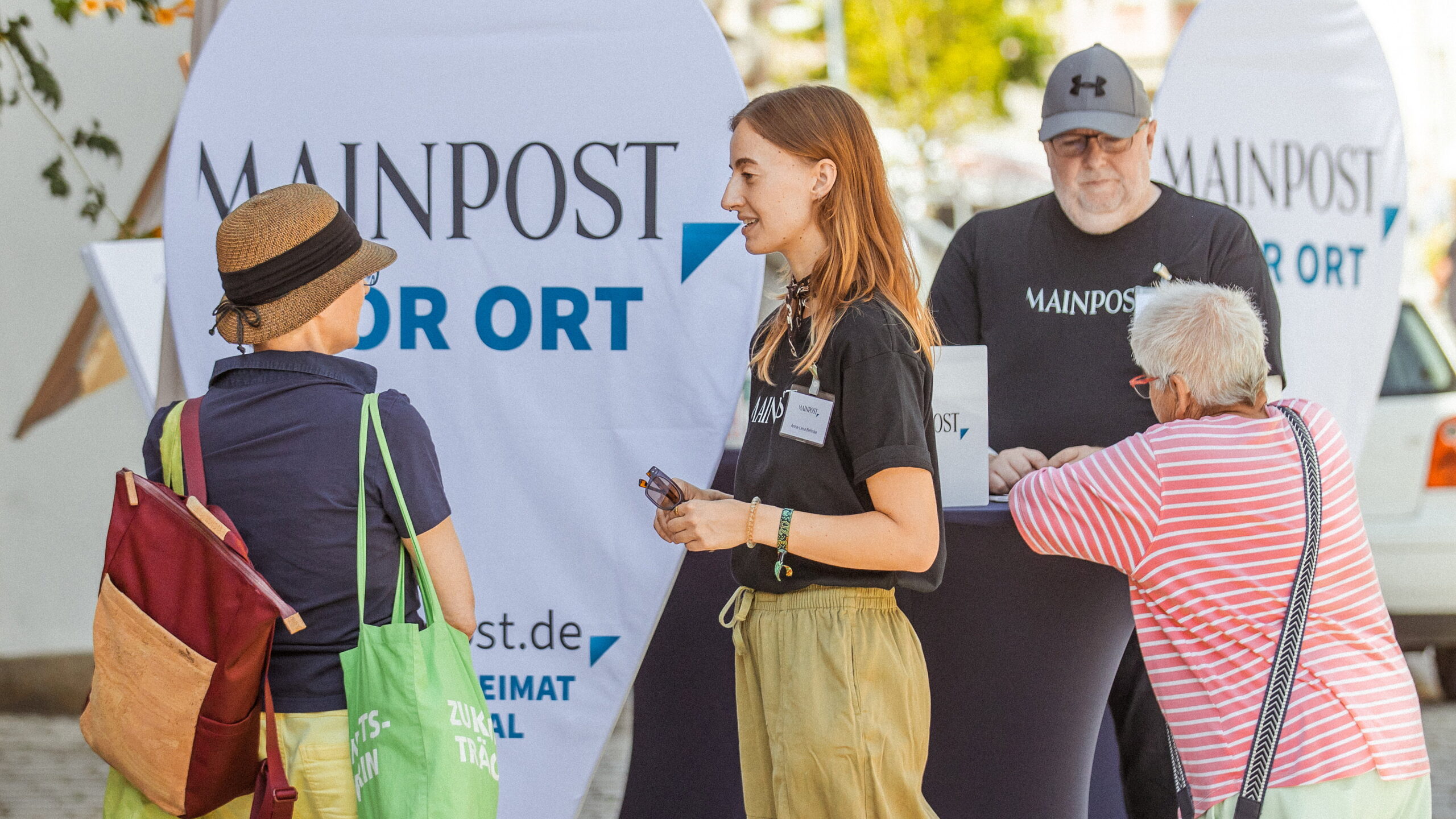
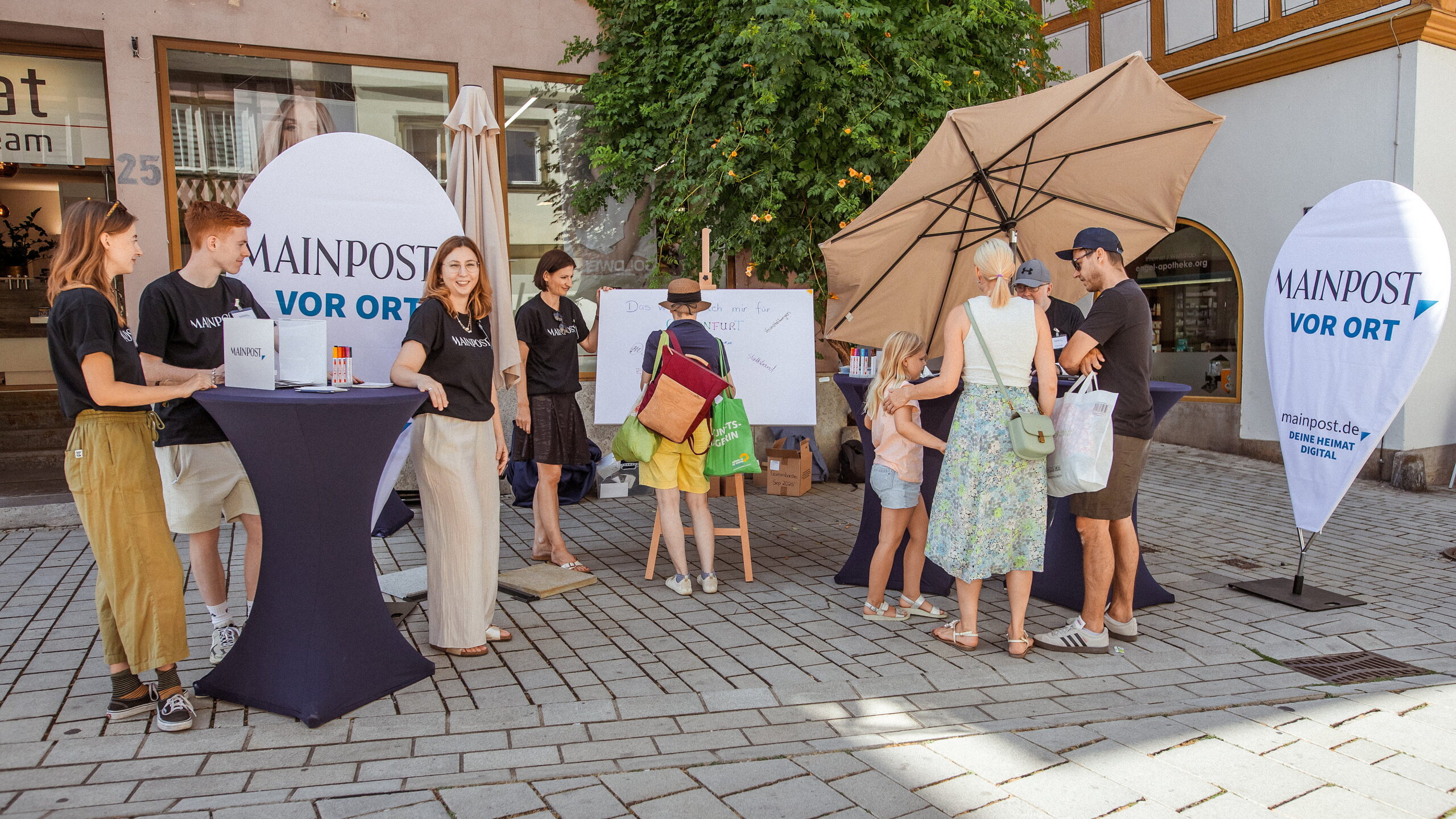
Meike: Our news outlet has always organized events, but no one really knew what other local newsrooms had already tried. My first step was to compile a list of what had been implemented over the past three to five years and evaluate it. After that, I grouped the formats into clusters. One example that’s quick to implement is our pop-up tour: “Main-Post on Location” or “Schweinfurter Tagblatt on Location.” We head out to the town squares with two bar tables and posters. Three to four editors are there, along with someone from the reader engagement team—and sometimes our editor-in-chief, Ivo Knahn. People can write on a large poster what they’d like to see for their town or from the Main-Post. We’ve already done this about seven times in different locations. Readers use this as a starting point for conversations and are happy that we’re out there.
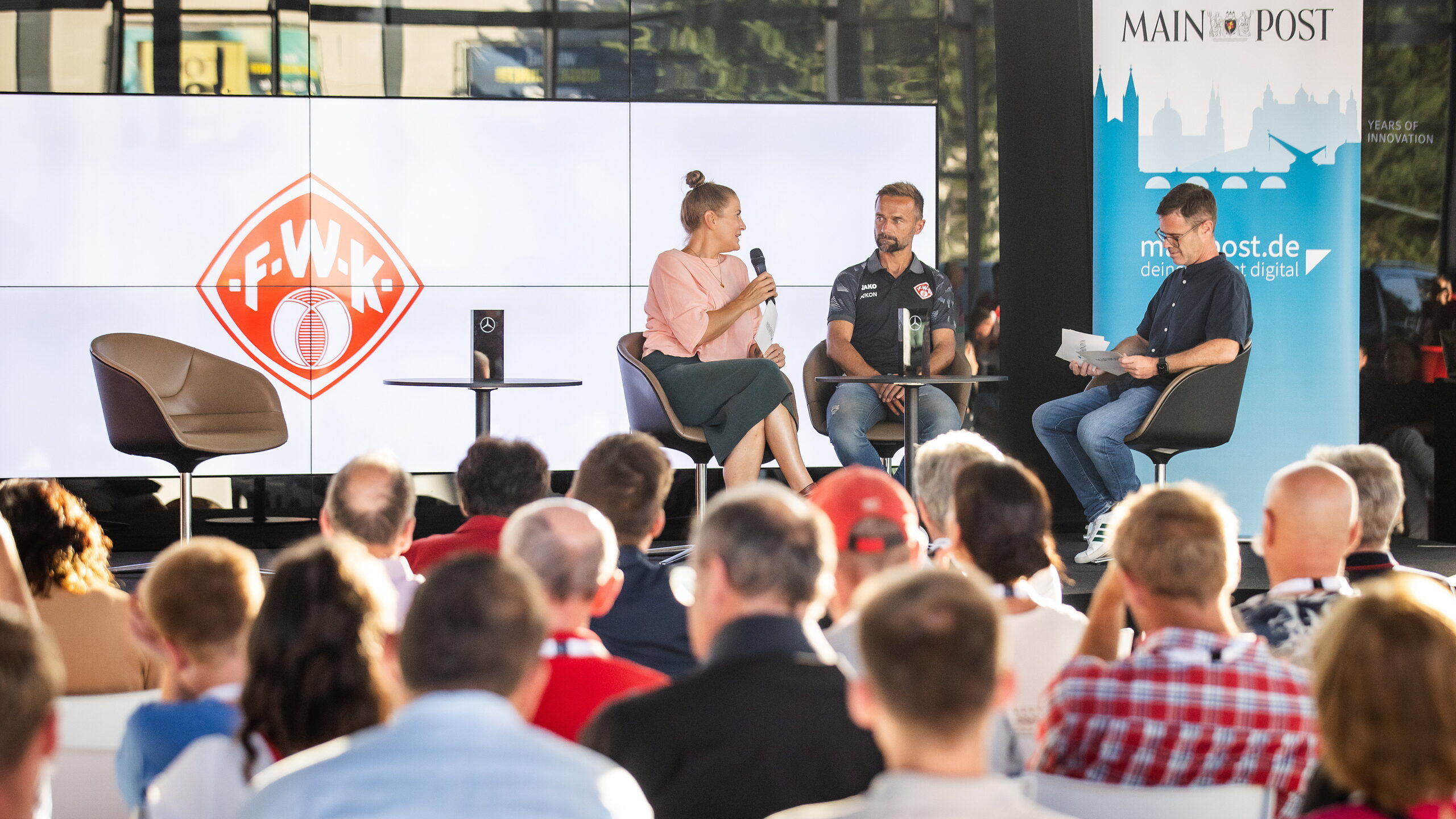
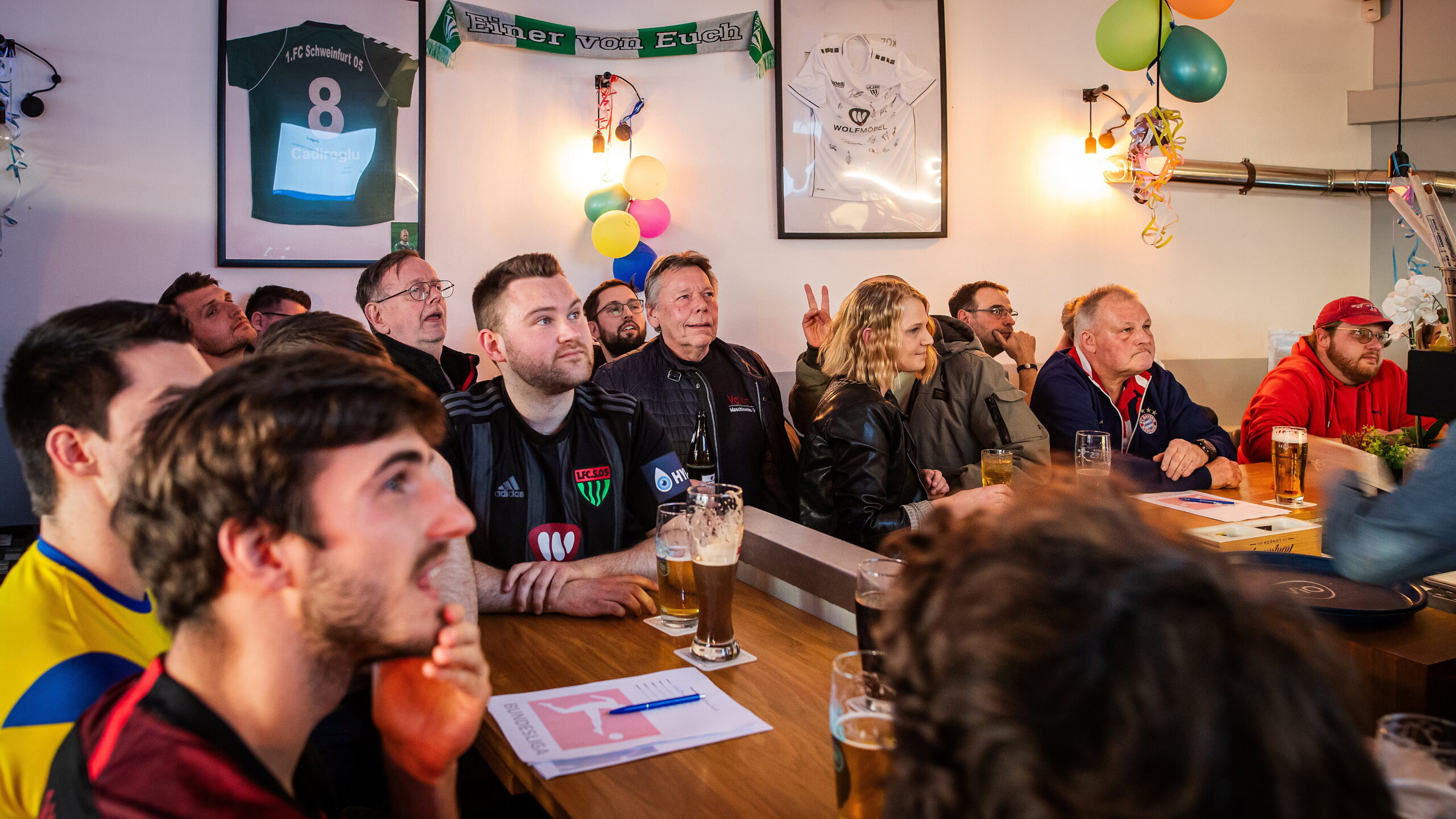
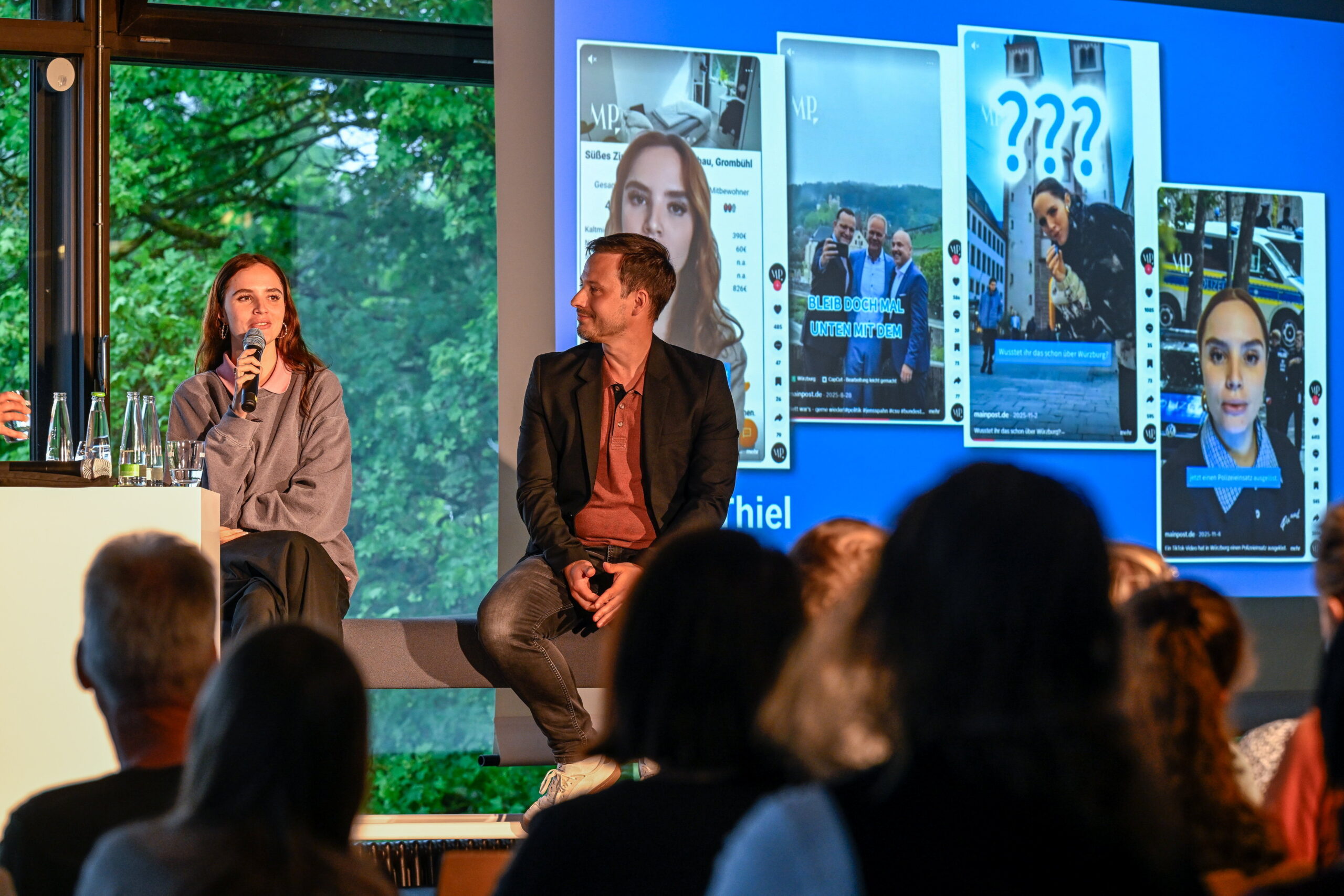
We also held, for example, a sports pub quiz, a construction site tour as part of our “Behind the Scenes” event series, and events where we discussed our own research and TikTok. The lineup also included traditional panel discussions, interviews, and a public forum on a construction project. Next, we’ll be testing the “One Hour of Conversation” format in Ochsenfurt with local residents.
What’s important to me here is a culture of open feedback. We try things out in groups and then honestly evaluate whether they went well or not. We’ve set a goal of creating about 50 editorial dialogue and event formats next year.
Who exactly is your target audience?
Meike: First and foremost, the goal is to strengthen the bond between us and our subscribers and foster a sense of “brand love.” But we’re also developing events specifically for other target audiences, such as our true-crime podcast on stage. Depending on the venue, topic, and host, we can—in the best-case scenario—reach new audiences as well.
If we now look at the industry as a whole: Is dialogue management the path that local media must take in the future?
Meike: The title doesn’t matter, but getting close to people, being visible, being open, and listening honestly is, in my opinion, crucial. Serious journalism and entertainment are by no means mutually exclusive. My ideal scenario would be if we could use these approaches to show just how important, informative, and enriching journalism is for local communities and society as a whole.
What soft skills are needed for effective dialogue management?
Meike: First and foremost: You have to like people. You should also have an open mind, be receptive to criticism, be eager to try new things, and enjoy the creative process. Ideally, you’ll also exude a certain confidence and be able to inspire and engage others.
The role of community management will become more important
Let’s take a look into the future: Where do you see yourself as a dialogue manager in three years?
Meike: At a town square—and people come up and ask when the next event or the next get-together at the café will finally take place. (laughs) My goal is for what we’re sowing right now to take root on a broad scale. It’s about people knowing: We’re here, we’re part of the community, we have something to offer, we connect regularly, and we enjoy doing it.
Can your courage serve as an example for other media companies?
Meike: There are quite a few colleagues in the industry who are doing wonderful things in this area. I really enjoy exchanging ideas with them. By the way, this is very important to me: Let’s learn from one another! Everyone has their own local audience, but we’re all in this together. That’s why I’d like to see this in our industry: Let’s speak openly with one another, learn from each other, and benefit from one another. I’d love it if we could work together to ensure the continued success of local and regional journalism and bring it to life in new ways.
Bannerbild: Daniel Biscan