SZ: WhatsApp channels for rural regions
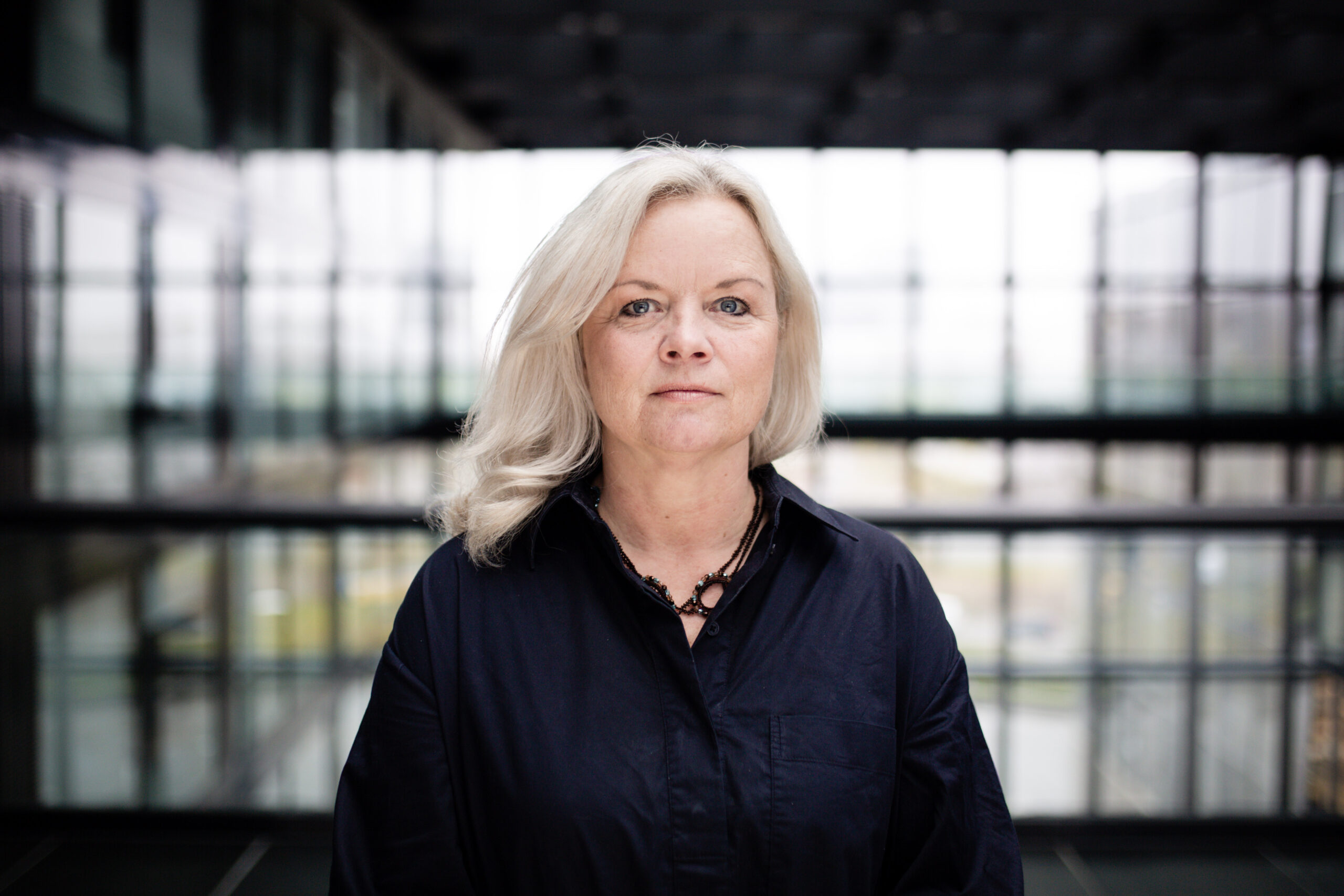
After the Süddeutsche Zeitung largely discontinued the independent regional sections of its newspaper editions in the Munich area at the beginning of 2025, the area remained slightly underserved. The younger target groups there were particularly affected. The solution: AI-supported channels on WhatsApp. In this interview, Ulrike Heidenreich, Head of Munich, Region, Bavaria, talks about strategic learnings and the question of why even free offerings can contribute to monetization.
Ms. Heidenreich, what goals are you pursuing with the WhatsApp channels?
Ulrike Heidenreich: The focus is initially on reach: we want to reach people who are interested in what is happening in their immediate neighborhood. The WhatsApp channels strengthen our regional journalism and provide our readership with relevant SZ stories from their region, supplemented by local news and events from the respective district. Brand loyalty is a natural side effect – those who come into contact with good content from us on a daily basis develop trust in the SZ brand. And those who have come to appreciate the SZ as a daily companion are ideally more willing to invest in a subscription.
WhatsApp is also an interesting channel for us to address younger target groups and get them interested in SZ. That’s why we recently introduced the “Erstmal News” format, for example, which has been very well received. It was developed specifically for the needs of the young target group and offers a short, compact daily summary of the most important news as a voice message via WhatsApp.
Do you see any differences in usage behavior between the traditional SZ readership and WhatsApp subscribers?
Heidenreich: It’s difficult to make such a direct comparison – also because it’s almost impossible to define the classic SZ reader. With a broad portfolio of high-quality journalistic content, we use a wide variety of channels on a daily basis – be it sz.de, the digital edition, the SZ-Nachrichten app, the print edition, newsletters, live events, podcasts or our social media channels. What they all have in common is the desire to know more – and possibly also to be entertained. Our aim is therefore always to offer our journalistic content in the appropriate format.
SZ WhatsApp channels meet with interest
How do you measure the success of the channels – quantitatively or qualitatively?
Heidenreich: Both have their place. A first and very pleasing indicator is the number of followers: the channels were immediately very well received after the launch in November 2025 and currently have around 9,000 followers – a clear signal that the offer is meeting with genuine interest. We also use the channels themselves time and again for qualitative queries. In general, however, the channels are a success for us either way – simply because we were able to learn an incredible amount from the project.
There were certainly also learning effects in terms of topic selection and tonality. How do these differ in the WhatsApp channels from traditional local reporting?
Heidenreich: The channels pick up on the journalistic work of the local editorial team – reporters carry out on-site research in the respective districts, and these stories form the core of the service. It is supplemented by event tips, dates and up-to-date information on local topics such as transport projects – content that often has less space in the traditional print format but is of great practical relevance to local people. The tone of voice is as we know it from the SZ: clear, straightforward and fresh – naturally adapted to the WhatsApp communication channel.
AI content: Editors are always in the loop
Much of the content in the channels is generated automatically. How do you ensure that the AI-generated content meets your journalistic standards?
Heidenreich: We follow an “expert-in-the-loop” approach: the AI collects information from selected, publicly accessible sources and automatically creates articles – but not a single post goes online without editorial review. Corrections can be made quickly and easily. At the beginning of the test phase, the quality of the AI-generated content was not yet at the desired level – but through consistent editing and feedback to the service provider Beat Squares, we gradually brought it up to SZ level.
And this is not a closed process: close coordination is still ongoing, because our aim is continuous improvement. Incidentally, there are also posts in the channels that are not AI-generated but were written by our editors in the normal way.
What role does your service provider, the startup Beat Squares, play in the editorial workflow?
Heidenreich: Beat Squares developed the technical platform and is responsible for the AI-supported collection and preparation of content. The collaboration is not a classic client-service provider relationship, but a genuine partnership: the platform is developed in close consultation with SZ in order to tailor the system to our needs.
WhatsApp channels are just one of several components of modern local journalism. What others does your company have?
Heidenreich: Even though SZ is a leading national and international daily newspaper, it is also deeply rooted in local journalism and attaches great importance to it. Over the past few years, we have constantly changed and developed new formats in order to reach our target groups in all age groups. This includes reporting on sz.de, in our app or in the printed newspaper as well as live journalism in the form of events – such as the Triell for the mayoral election in Munich -, our local podcasts such as “Hey München”, newsletter formats and our local channels on TikTok and Instagram. We are constantly changing and always testing new things because the demands and user behavior of our target groups are also constantly changing. It is important to us to be close to our readers and to stay in touch with them.
Channels contribute indirectly to monetization
Should the channels also contribute to monetization in the future – or will they deliberately remain free of charge?
Heidenreich: The service is currently free of charge, and we are not planning to change that at the moment. However, the channels can already lead to content behind the paywall or create an incentive to take out a subscription – thus indirectly contributing to monetization.
Are there plans to expand beyond the Munich region – or to other subject areas?
Heidenreich: We are always testing new things and developing our offering further. However, there are currently no plans to expand the WhatsApp channels geographically or thematically.
In conclusion: What tips can you give other media companies who want to start a similar project?
Heidenreich: Our most important insight: for us, too, it was initially mainly “learning by doing” – and that is not a weakness, but part of the process. Anyone starting a project like this should think very carefully in advance about what the finished posts should look like later – in terms of language, structure and tone. The clearer this idea is, the more targeted the AI suggestions can be improved and the better they will fit your own format. And: quality takes time. The dialog with the technical service provider is not a one-off step, but an ongoing process.
Bannerbild: Friedrich Bungert