Vertical Drama: Bavarian Platform EiLiN Sets the Standard
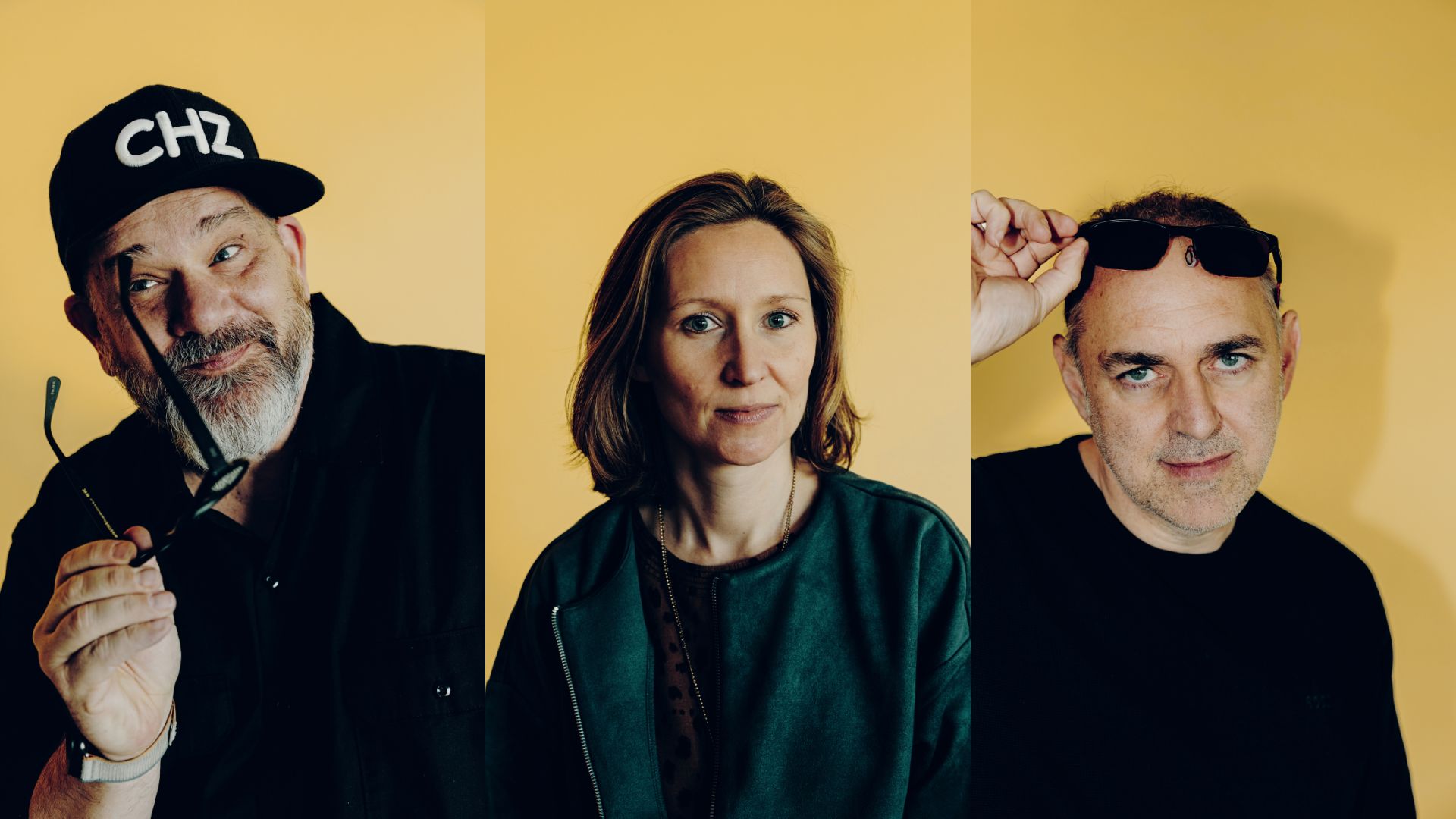
Vertical-format micro-dramas are reaching an audience of millions worldwide. In Germany, the genre is still in its infancy. Munich residents Chriz Merkl, Sophie Werdin, and Markus Vogelbacher want to change that – with an app called EiLiN.
If you want to understand who should download EiLiN, you need to keep one number in mind: 22 percent of Germans check their cell phones while on the toilet. Markus Vogelbacher made this remark at an industry event in Munich in mid-March, and the room burst into laughter. But Vogelbacher is serious. For him, this figure represents a business model. It’s not the bathroom that’s the point, but the break. The subway ride, the line, the moment between two meetings. Small gaps in everyday life when people stare at their smartphones, looking for something that resonates with them.
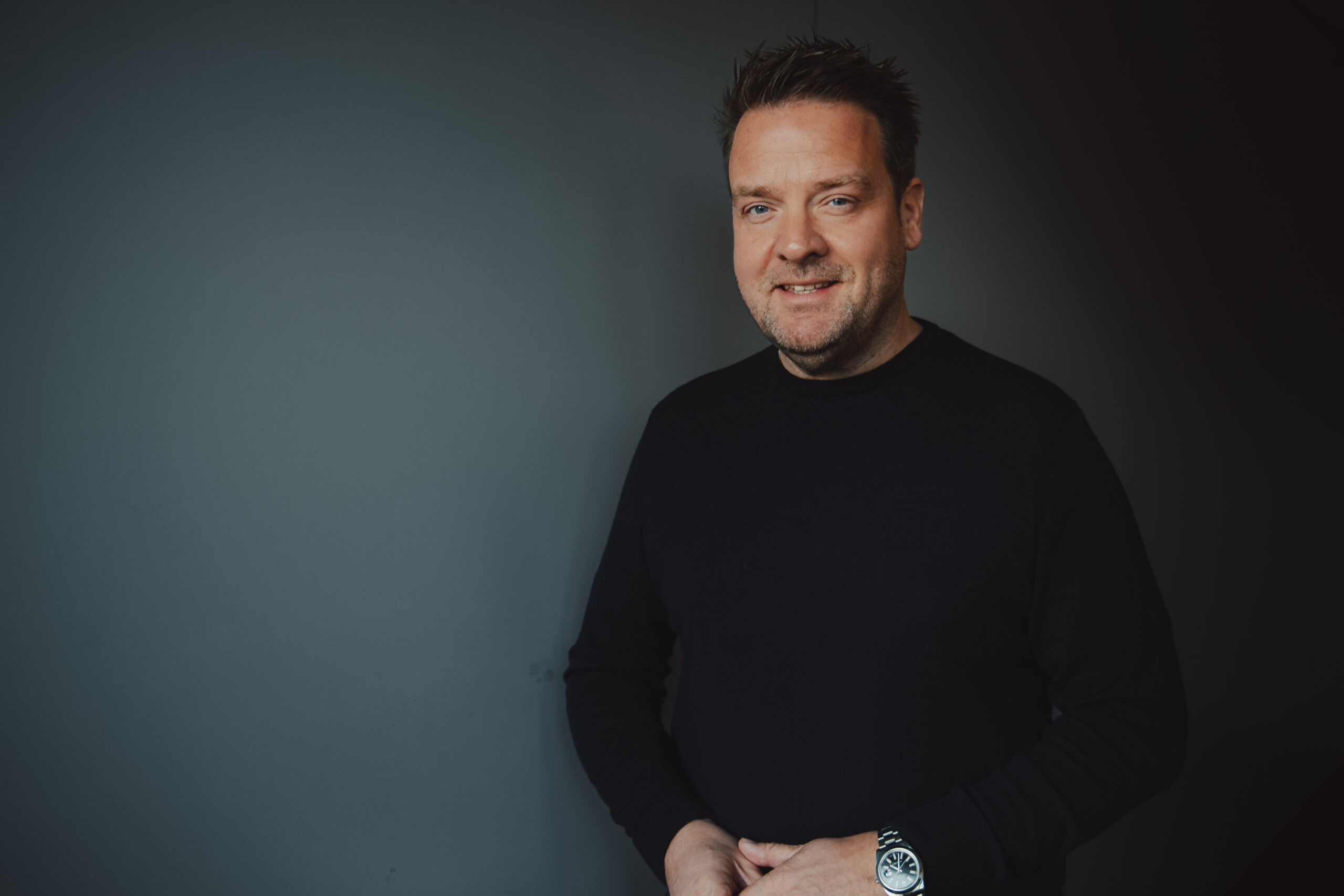
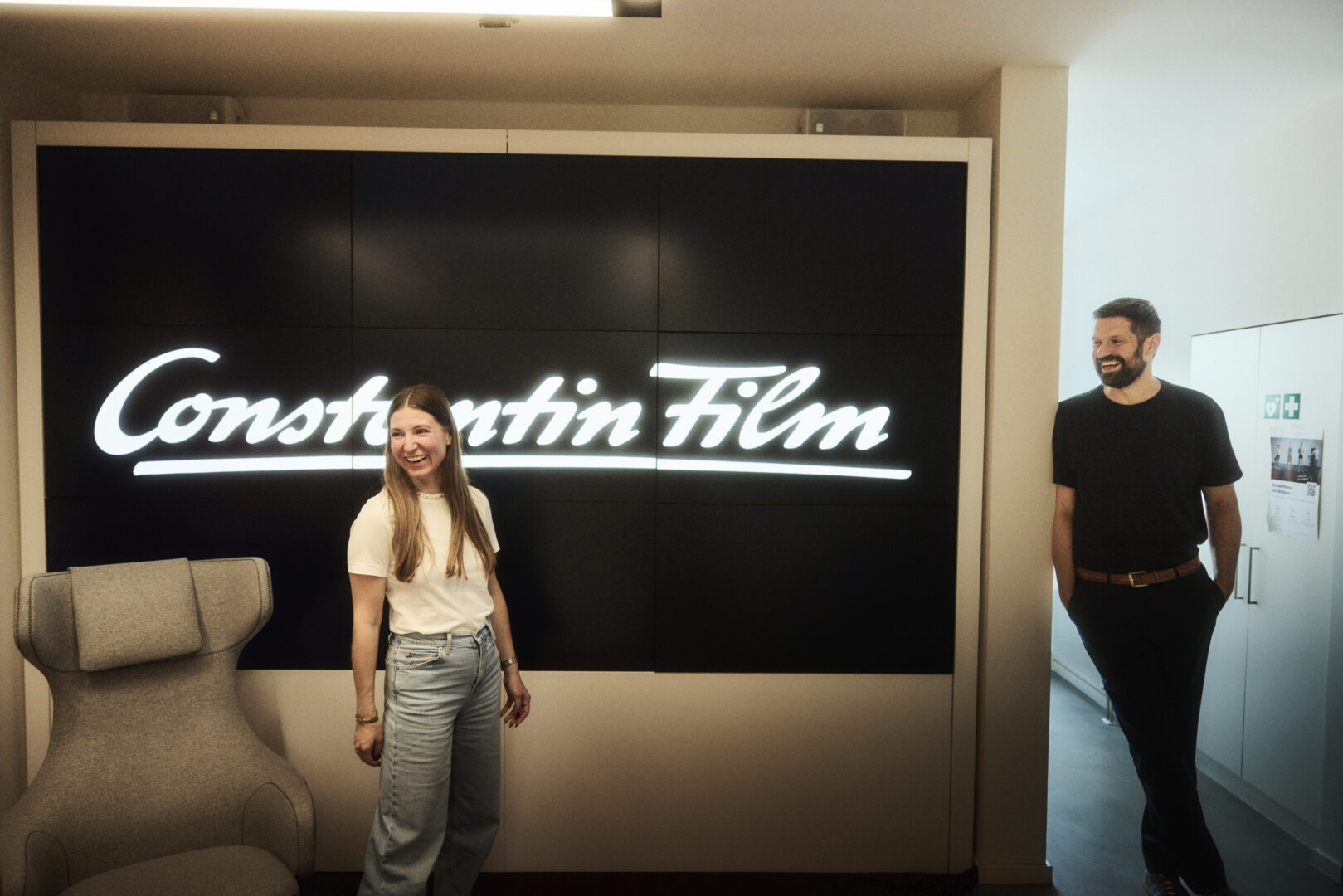
EiLiN is designed to fill precisely these gaps as a German-language platform for a narrative format that is already a mass phenomenon in China and the U.S.: the vertical drama. The app is backed by the Munich-based media company Vertical Minds. Markus Vogelbacher, a longtime member of the Bavaria Film Group’s executive board, founded it together with software entrepreneur Chriz Merkl. In May, Sophie Werdin joined as managing director, bringing with her over ten years of experience in the film industry.
When you listen to the three of them, their plan sounds like nothing less than an attempt to change the way moving images are produced and consumed in Germany.


Vertical Drama: Already a Billion-Dollar Industry in China
Vertical Drama. Micro Drama. Short Drama. The terms vary, but the concept is always the same: series in portrait format, shot for smartphones, told in episodes lasting one to two minutes.
At first, that sounds like amateurishly shot clips on TikTok and Instagram. But “Vertical Dramas” are productions with scripts, directors, and actors – just presented in a densely packed narrative style featuring extreme close-ups, high-speed storytelling, hooks, and cliffhangers.
The camera gets so close to the characters that, as a viewer, you no longer feel like you’re sitting in front of the screen but, as Vogelbacher puts it, “at the table with them.” Imagine “GZSZ,” only in portrait orientation and with episodes lasting 90 seconds.
To understand where Vogelbacher, Merkl, and Werdin’s confidence comes from in launching something big with EiLiN, you have to briefly look across the continent: In China, vertical drama has grown from nothing into a billion-dollar industry in just a few years. By 2024, vertical short series in China had already generated more revenue than all feature films combined. The Chinese platforms ReelShort and DramaBox have now become serious competitors to HBO Max and Peacock, as measured by daily usage time per user.
EiLiN is adapting the format to the German market
“Doomscrolling meets binge-watching,” says Magnus Gebauer of MedienNetzwerk Bayern. He will present the trend in mid-March in Munich at the same industry conference where Vogelbacher and Merkl will also speak later on.
Gebauer shows slides with growth curves that shoot straight up. And he has insights into users in China. Two-thirds of users in China are female. The most popular genres: CEO-billionaire romances, werewolves and vampires, revenge, and betrayal. You could call it pulp fiction for the swipe generation.
EiLiN, however, is set to become a full-service content provider: romantic comedies and casual crime shows, medical dramas and true crime series, plus factual series, podcast spin-offs, and branded entertainment. Merkl calls it “snackable content”—like a chocolate bar for a quick snack.
The trio is also taking a different approach when it comes to its target audience. EiLiN isn’t primarily aimed at teenagers, but rather at people over 30 – especially women. These are people who no longer find social media as exciting as Generation Z does, but who love podcasts and audiobooks – and now want video, too – in the same bite-sized chunks they’re used to.
And what about the payment model? Asian platforms rely on coins, which users must use to unlock episodes. The three believe this wouldn’t work for the German market. Instead, EiLiN is set to launch with a traditional subscription model similar to Netflix and others.
100 Episodes in 16 Days: Vertical Drama Is a Daily Business
But there is one thing Vertical Minds does want to adopt from the Chinese and American markets: the speed at which content is produced. An EiLiN series – 100 one-minute episodes – is expected to be produced in just eight days of filming and eight days of post-production, on a budget of 200,000 to 250,000 euros.
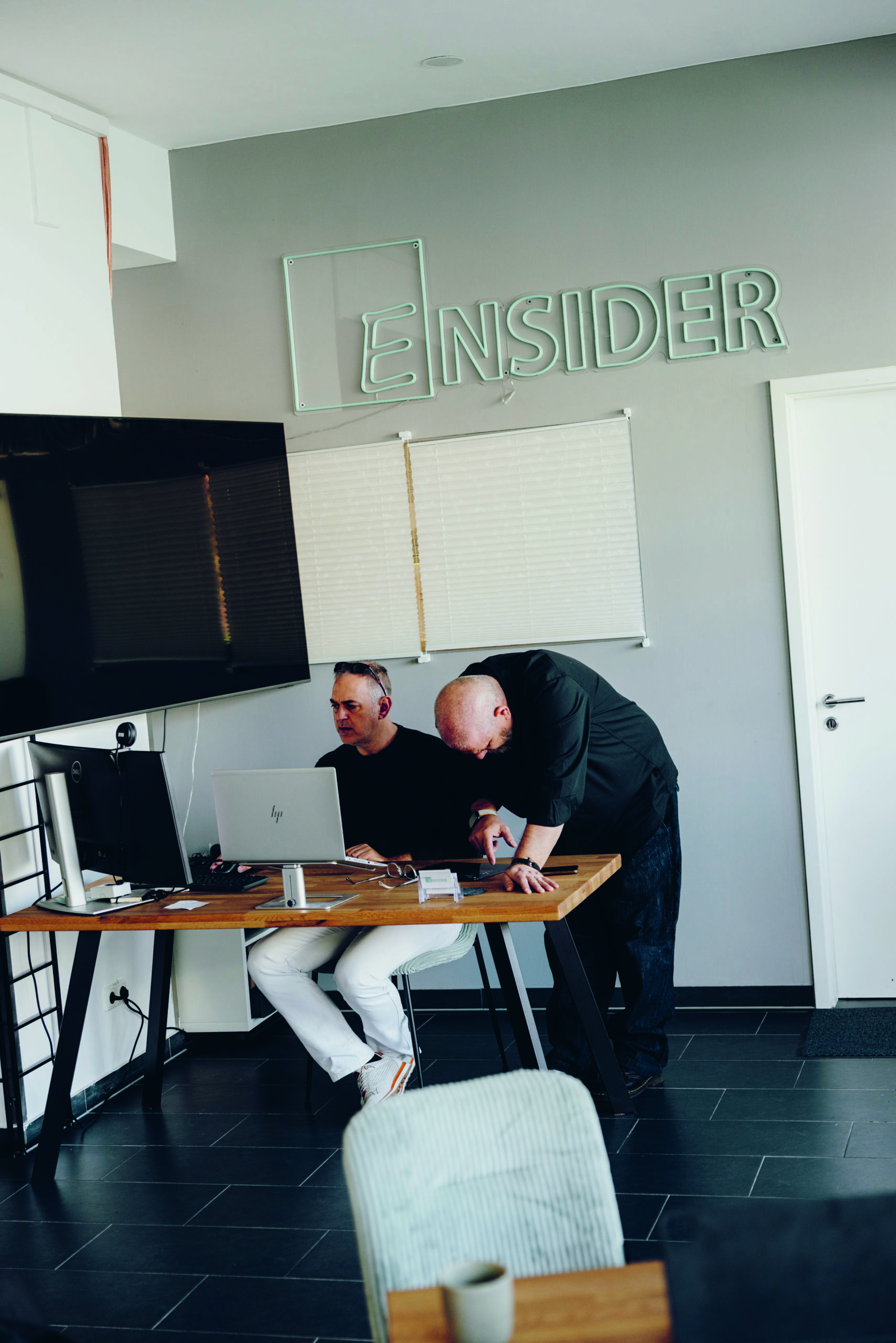
By way of comparison: In the traditional German film industry, the development of a single project often takes years, sometimes decades. During the interview, Vogelbacher points to a movie poster on the wall of his office: “Jim Knopf” – 13 years in development. “With Vertical Drama,” he says, “you suddenly have a format that’s almost a day-to-day business.”
Werdin sees this as precisely the opportunity: A medium-sized traditional production company might make two films a year, each costing between six and twelve million euros, and if one flops, it could threaten the company’s very existence. At Vertical Drama, the risk is much better spread out: “If you happen to lose 200,000 euros because your series wasn’t successful, you’ll have three or four others that are doing really well to make up for it.”
In China, particularly successful vertical dramas are already being turned into feature-length films again. A character who works well in the short-form format gets his or her own full-length series.
EiLiN is set to launch in the summer of 2026. The target audience: people over 30 who want to watch TV shows in short, bite-sized episodes that fit into their breaks.
Is this the solution that will pull the industry out of the crisis?
After the app launches this summer, the EiLiN team will see how the German market responds to their platform. One thing is certain: In an industry that has been talking about crisis and consolidation for years, the sheer speed with which three people have turned an idea into a product is remarkable.
The response to Vertical Minds has surprised even the trio. Producers, investors, media companies – everyone wants to talk about the concept. Merkl says, “With other ideas, I have to knock on 100 doors before one opens.” With Vertical Minds, it’s the other way around. “The doors open on their own, and people ask, ‘What do you want? Money? Movies? Whatever it is, come on in!’” Vogelbacher nods. Werdin smiles. And somewhere in Munich, someone is probably looking at their phone right now – on the subway, in the bathroom, or in line – and, without knowing it, waiting for EiLiN.
Bannerbild: Dirk Bruniecki