Daniel Rosemann from Raab Entertainment: From Zero to Primetime
Daniel Rosemann founded the production company Raab Entertainment together with Stefan Raab two years ago. Today, the company produces entertainment shows and podcasts, is responsible for ESC preliminary rounds and has set up its own AI unit. In this interview, the Munich native looks back on the founding phase and outlines promising business areas.
Mr. Rosemann, you founded Raab Entertainment GmbH two years ago together with Stefan Raab. How do you look back on the start?
Daniel Rosemann: When we started in January 2024, we were standing in empty offices: no tax number, no printer, no coffee machine. We really started from scratch and began to implement our vision of the company. That was challenging, of course, but also extremely instructive, for example in terms of bureaucracy. And yes, Germany is definitely challenging for start-ups. Who would have thought, for example, that it could be so complicated to organize company bikes for employees if you don’t have any annual financial statements yet, but are already producing and earning money? Even a prominent shareholder doesn’t help… (laughs)
Great suspense surrounding Stefan Raab’s return
You landed your first coup with the announcement that Stefan Raab would once again step into the boxing ring against Regina Halmich. How did you experience the hype surrounding Raab’s comeback?
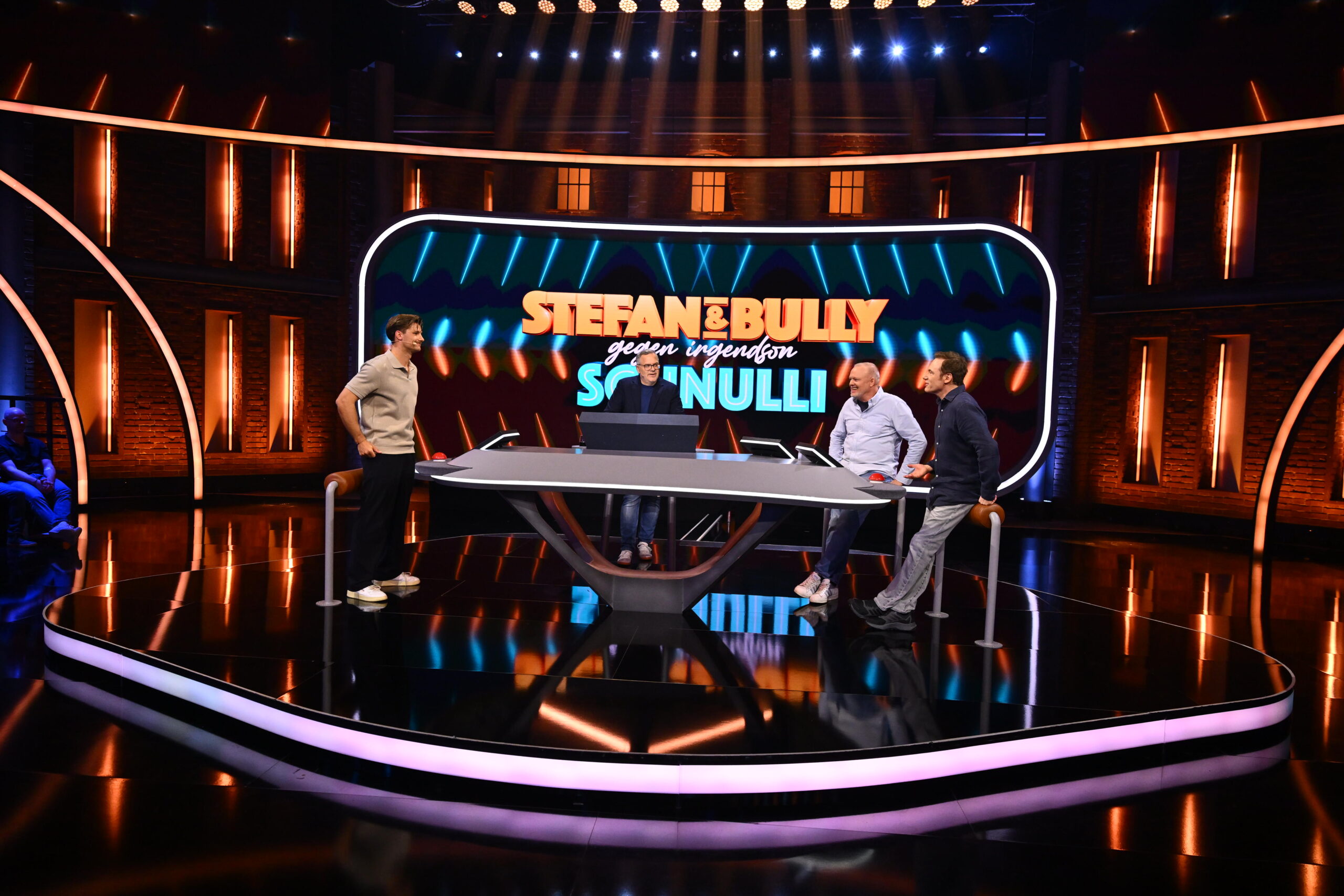
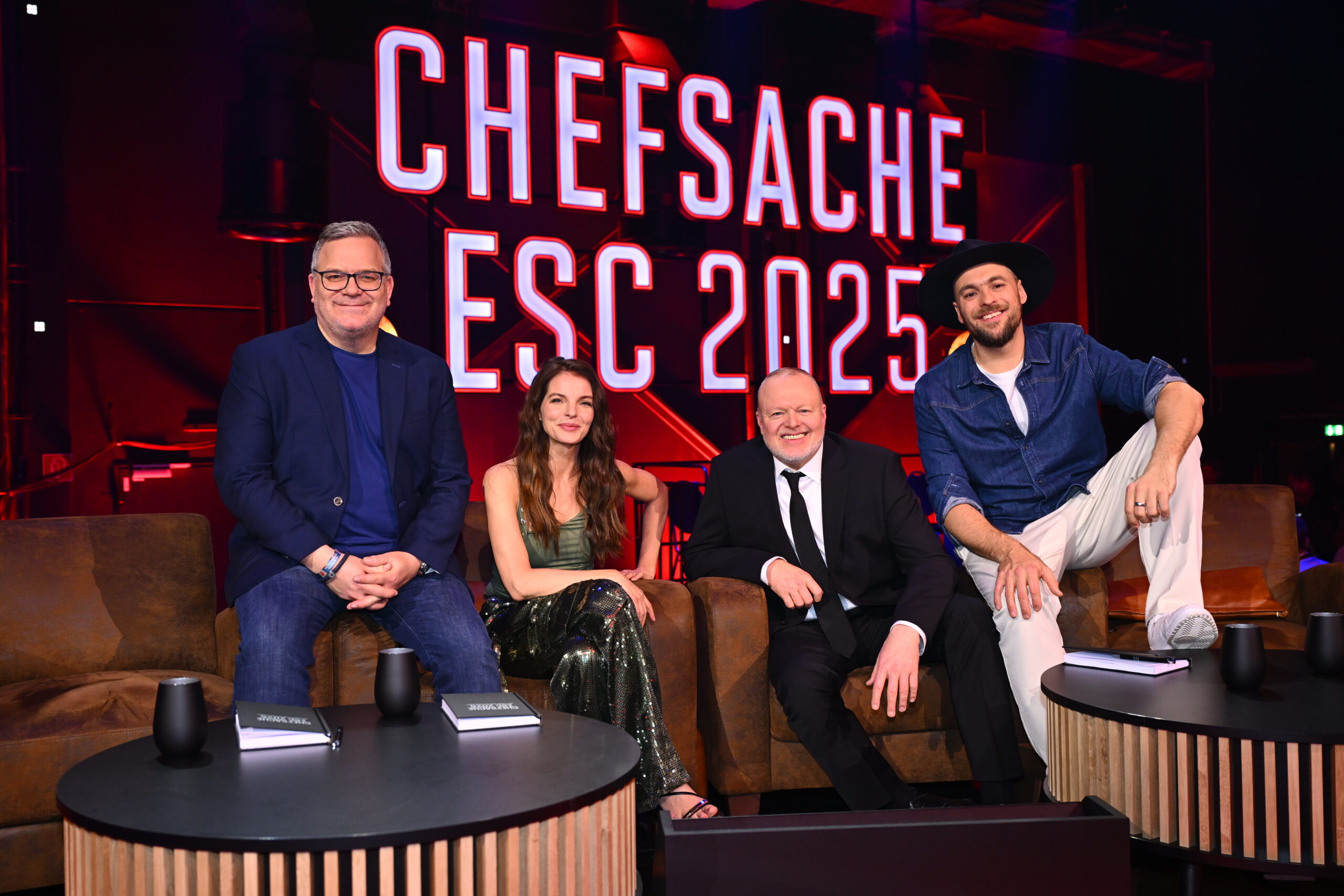
Rosemann: This whole dynamic – this constant puzzle of “Is he coming back, is he not?” – was exciting and fun. Some of our social media videos had over 100 million views. At the same time, the return was only one aspect for us. The work for the time afterwards was at least as important: the specific formats that we implemented. “Stefan und Bully” is now one of the most popular RTL shows, we created a major new Saturday evening show with “Eltons 12” and we produced the most successful ESC preliminary round in 21 years for ARD. Our latest development, “Who knows what happened when?”, shows with great success that nostalgia works if you tell it right.
What conditions do you find particularly challenging in the TV environment in 2026?
Rosemann: We are currently seeing two completely different basic conditions. The audience market has changed massively. The media landscape is fragmented and evaluation takes place across many channels. That’s why it was always our goal not to become a pure TV production company. We have expanded our model: with an AI unit that develops our own content and advises customers, a podcast studio for specially developed podcasts and a sales division that markets podcasts, integrates brands into TV formats and, most importantly, works directly with customers on branded entertainment formats, i.e. bringing together brands with reach on all platforms. At the same time, economic pressure is growing due to rising costs and falling revenues along the entire value chain. Less is being invested and program budgets are becoming smaller. Everyone is feeling this pressure – broadcasters, streamers, production companies and freelancers. What concerns me more than the economic situation itself is the mood. When people in our industry say things like “I don’t know if things will ever get better again”, I think that’s dangerous – for the industry and for our own attitude. If we no longer believe in ourselves and the power of our content, why should others?


How do you deal with this pressure?
Rosemann: During my time as station manager at ProSieben and Sat.1, I was never driven by fear and often made decisions against the trend. The biggest problem arises when we start to see ourselves as victims of the situation. Germany is still one of the largest TV markets in Europe. We have the power to implement good ideas and generate reach. We have to remember that. Advertisers will not become more courageous if the industry itself does not believe in itself. That’s why we need more confidence and courage. Yes, you can make mistakes. But you can also land hits and successes.
There has been criticism that “The Stefan Raab Show” is based too much on familiar elements and is therefore hardly innovative. What is your response?
Rosemann: I think we often have the wrong understanding of innovation. Innovation doesn’t necessarily mean that something has to be one hundred percent new. I like to compare it to concerts: a Coldplay concert is about hearing the great songs, not about new songs being played all the time. That would irritate rather than inspire many people. Good formats work in a similar way. “Who Wants to Be a Millionaire?”, “Let’s Dance” or “Germany’s Next Top Model” continue to develop without losing their core. Stefan Raab must also remain Stefan Raab.
Exaggeration and exaggeration: the appeal of satire and late-night formats
This is also linked to the discussion about Stefan Raab’s humor, which is no longer in keeping with the times.
Rosemann: Humor is something very personal. No one should decide what “real” humor is. Satire and late-night formats draw their appeal from the fact that they work with exaggeration and exaggeration. Of course, there are people who don’t like certain jokes. That was already the case with Heinz Erhardt and Loriot. The only difference today is that everyone can express their opinion much more quickly in public. We also don’t expect everyone to laugh at everything Stefan says. At the same time, he has gained many younger fans who got to know him via Instagram or TikTok, for example, where his “Rabigrams” and his current content sometimes achieve high viewing figures.
What is the division of roles between you and Stefan Raab?
Rosemann: We are both in the office every day. Stefan works creatively, develops content and is in front of the camera. I still like to take care of ideas and formats for our customers and manage the organizational and commercial issues with a great team and am allowed to build a new company.
How do you create a new format?
Rosemann: There are structured and unstructured processes. Structured means that we observe international markets, are part of a network of international contacts, develop specific formats and take into account broadcasters’ requirements for certain slots, such as time frame, genre and budget. There is also the open part: long, unpressured discussion rounds in which ideas can emerge through exchange without an immediate result being expected. “Who knows how what was when?” was created in exactly this way.
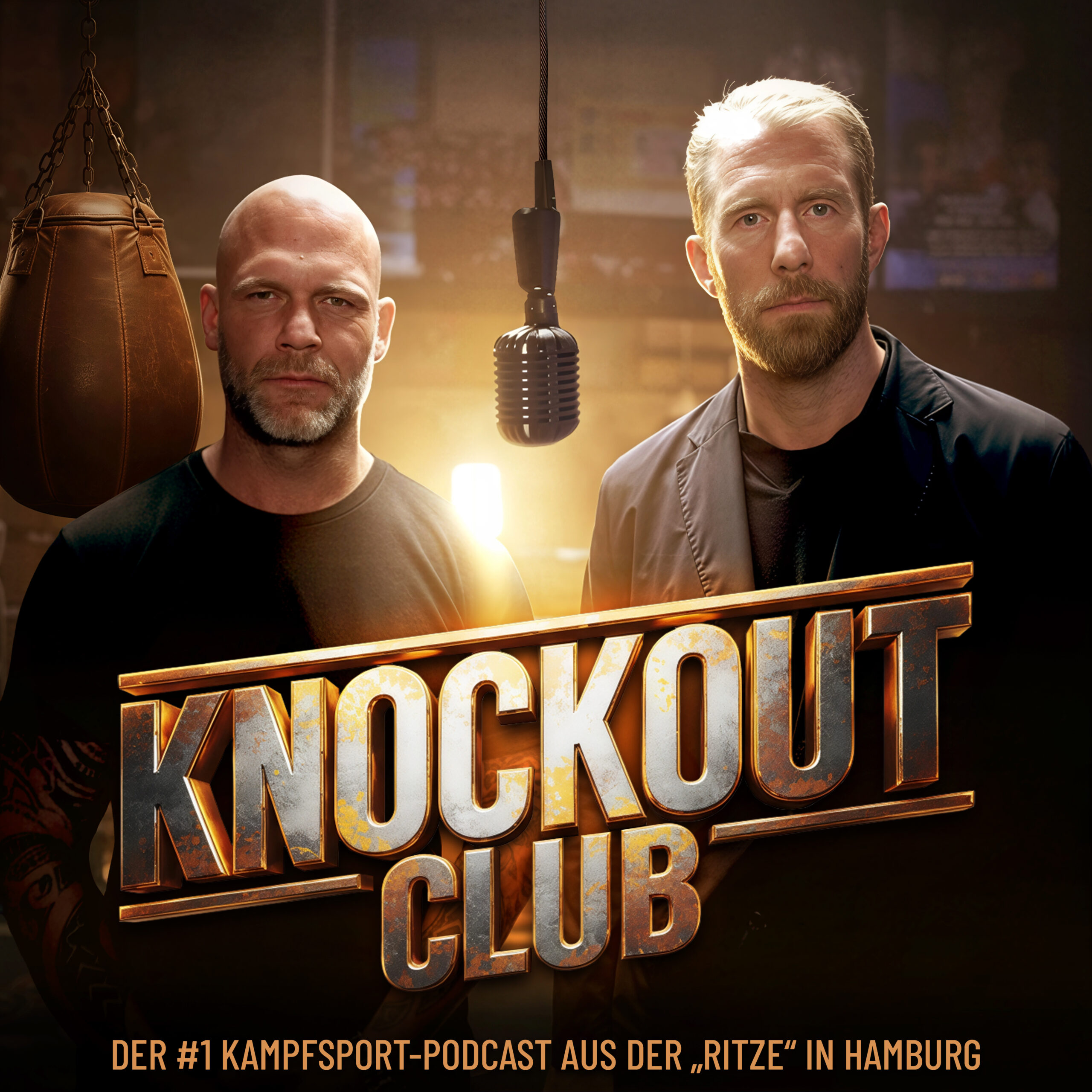
You run a podcast studio and also produce your own formats there, such as “Knockout Club”, a talk show with guests from the neighborhood to martial arts. What role does the podcast division play strategically and will Stefan Raab soon be hosting a podcast?
Rosemann: Podcasts have become a central building block for us alongside the traditional moving image business. We are consciously investing because we see the medium as a growing storytelling format and want to expand our portfolio. In addition to the “Knockout Club”, we already have other titles live and in production, with even more to follow. We also want to offer advertising customers a broad target group spectrum. Will Stefan make a podcast? Theoretically at any time. But nobody has to stand in front of a microphone if they don’t want to.
The DNA of Raab Entertainment will continue to lie in game and music shows in the future
How do you use artificial intelligence?
Rosemann: We use AI in two areas: operationally in processes such as accounting, HR and organization and creatively in audio, video and image production. To this end, we have set up a unit that works internally and also implements external projects. This can result in music, commercials or visual concepts. The “Stefan Raab Show” already contains AI-generated content. Clear rules, data protection and training are important. AI is not a stand-alone tool for us, but part of the production structure.
How should Raab Entertainment develop?
Rosemann: Our DNA lies in the show sector, especially in game and music shows. We want to create exciting formats there and take them into the future. A second area is documentaries. We develop content about personalities and pop culture phenomena. Streaming has significantly broadened the audience for this. For example, I don’t think a documentary about Shirin David would have been so well received five years ago. The third area is fiction. We are working on a new budgeting model here. The question is not whether to make fiction, but how to make it possible. And basically, our company is a producer of experiences. In moving images, in audio such as podcasts and music, as well as live – in other words, on location.
Stefan Raab once said that he no longer wanted to be in front of the camera at 50. He quit ProSieben at 49. What will happen when the RTL contract expires?
Rosemann: What I can say: Stefan is an extremely curious and hard-working person. For a more specific answer, you’ll have to ask him yourself.
Bannerbild: Raab Entertainment