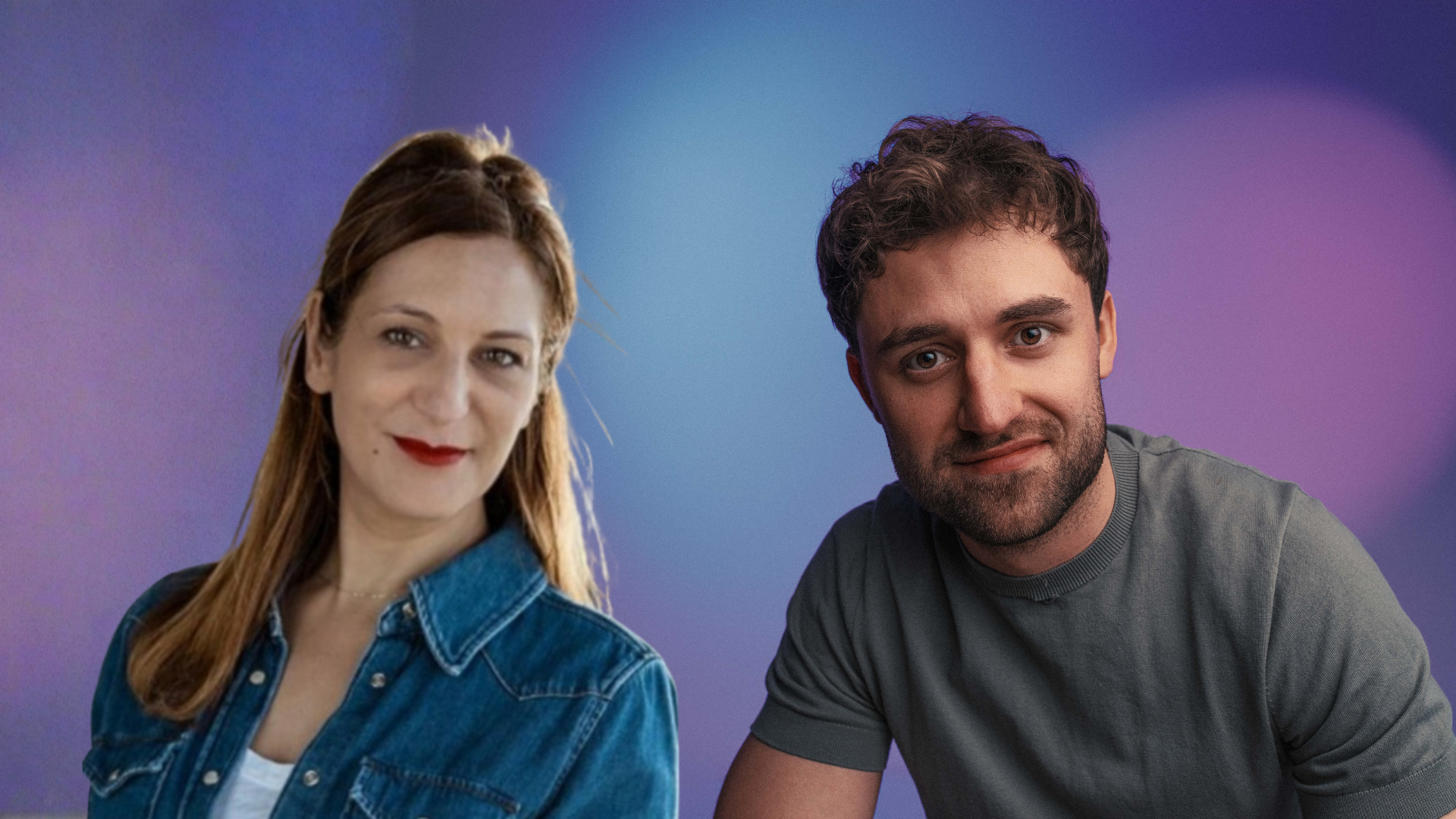
Sonia Ben Salah and Felix Mann: Storytelling in Portrait Orientation
Sonia Ben Salah, Head of Fiction at Constantin Entertainment, and Felix Mann, producer and co-founder of WennDann Film, discuss the unique challenges of storytelling on smartphones—and how stories need to be adapted for mobile use in order to reach their audience.
Sonia, Felix, the vertical video craze is huge in the U.S. and China. Which platforms are currently driving the development of Vertical Drama and similar content the most?
Sonia Ben Salah: Among the most popular apps are ReelShort, Mydrama, and Dramabox. But they’re also on TikTok, Instagram, and YouTube Experiments with vertical dramas or telenovela-style short series are now taking place around the world. They almost all follow the same principle: payment is usually made per episode.
Felix Mann: Starting this year, the tech giants are getting in on the action, too. Disney+ has integrated its own TikTok-like 9:16 feed into its app in the U.S., and TikTok itself has launched PineDrama, a standalone micro-drama app.
Want more vertical drama?
If you want to meet more media creators who are helping shape this new trend in the moving-image industry, check out our article about the EiLiN platform.
You can learn more about vertical storytelling at our free panel discussion at FILMFEST Munich.
Nevertheless, the German market still lacks the kind of infrastructure we see in the U.S. and Asia. What challenges are there when it comes to distribution channels?
Felix: There are initial steps being taken, and I’m convinced that the decisive move will come soon. This could become a very interesting business opportunity for producers, brands, and creators. There’s a good chance that both private and public broadcasters—as well as platforms currently being developed—will start tapping into this market soon. I sense a lot of positive buzz.
Sonia: Everyone is ready to go; all that’s left is the final step.
Vertical storytelling is the art of telling stories in a way that works best on smartphones and aligns with users’ scrolling habits. What sets good vertical storytelling apart from a traditional production that has simply been cropped to portrait orientation?
Sonia: It’s a completely different kind of storytelling. You have to focus on trigger points; the plot needs to be easy to grasp quickly, and there are no complex characters. With existing material, this kind of storytelling is only possible in a few genres. We tested this with existing factual material. Unfortunately, it didn’t work from a dramatic perspective because there aren’t enough hooks and cliffhangers.
Felix: Each of the 90-second episodes has to stand on its own. The hook, peak, and cliffhanger have to work. The competition is fierce—the next video is always just a swipe away.
Urgency, Conflict, and Romance: What Makes “Hochformat” a Success
How can you captivate smartphone viewers right from the start?
Sonia: The very first few seconds have to deliver emotional highs. The beginning should feature a very clearly defined conflict with maximum stakes that immediately grabs the viewers’ attention. Strangely enough, I keep seeing major parallels to prank calls. They also operate with an immense sense of urgency: the granddaughter will go to jail if a certain amount isn’t paid immediately.
Felix: We see this same logic in our promotional video productions—short, concise, and never boring. These Reels also rely heavily on visual cues designed to spark interest. Studies show that around 70 percent of users decide within the first three seconds whether to stick around—even before the actual narrative begins. Those who make it past this initial phase usually stay engaged afterward.

Authors must first grasp and understand this specific approach and then put it into practice. Just as in marketing, the goal is to distill the key messages.
Sonia Ben Salah
For which target audiences is vertical content particularly well-suited—and where does the greatest potential lie in terms of subject matter?
Felix: Since the German market is still in its infancy here, this applies primarily to the American and Asian markets. The core target audience is female and between the ages of 30 and 35. In terms of genre, romance is clearly the most popular right now, with its various subgenres, ranging from werewolf and romantic fantasy stories to CEO and billionaire tales. That’s also what’s drawing people to BookTok, where book lovers—so-called “BookTokers”—share their reading experiences in short, creative videos. But I see great potential for this to expand to other genres in the future.
Sonia: The audio series app Pocket FM is currently conducting tests in Germany as well and is posting content on Facebook aimed at a very mature female audience. Within this offering, there are episodes that users can initially unlock through ad-supported access. This sector is currently growing rapidly. Initially, only live-action footage was shown; today, AI-generated content is the main focus.
Achieving Success in the German Market Through Efficiency
In general, vertical storytelling is also changing the nature of production. What does that mean for the work of writers, directors, and cinematographers on set?
Sonia: Authors first need to grasp and understand this specific approach and then put it into practice. Just like in marketing, it’s about distilling the key messages. It’s very difficult for us to find writers and build up the necessary expertise.
The directors also have to adapt. From our work for the Chinese and American markets, we know that the scripts are very basic—for example, they don’t include any stage directions. In addition, a great deal of footage is shot in a single day—on average, about ten minutes of airtime. Since we’ve been producing scripted reality at Constantin Entertainment for over twenty years, we’re already familiar with this filming style, where an average of ten episodes are produced in a week.
Felix: It’s all about being efficient. We shoot a lot of footage in a single day, so we work with smaller teams and lighter equipment to stay agile while handling this workload. But working quickly also means setting clear priorities: some things are more important than others to stay on schedule. It’s crucial that the footage looks great on set right from the very first second.
Your company is among the first movers and is planning vertical drama series for the German market. They aren’t quite ready to be announced yet. Other production companies are still hesitating. I wonder why that is?
Sonia: German viewers are traditionally less accustomed to paying directly for digital content. The old “stinginess is cool” mentality still lingers. This is crucial for Vertical Drama because while there’s creative demand, it’s not yet clear which business model will truly succeed in the German market.
Felix: You just have to take a chance and figure out what works and what doesn’t. Of course, an idea might not catch on right away. But if you’re willing to take a chance and get started now, you’ll help shape the market.
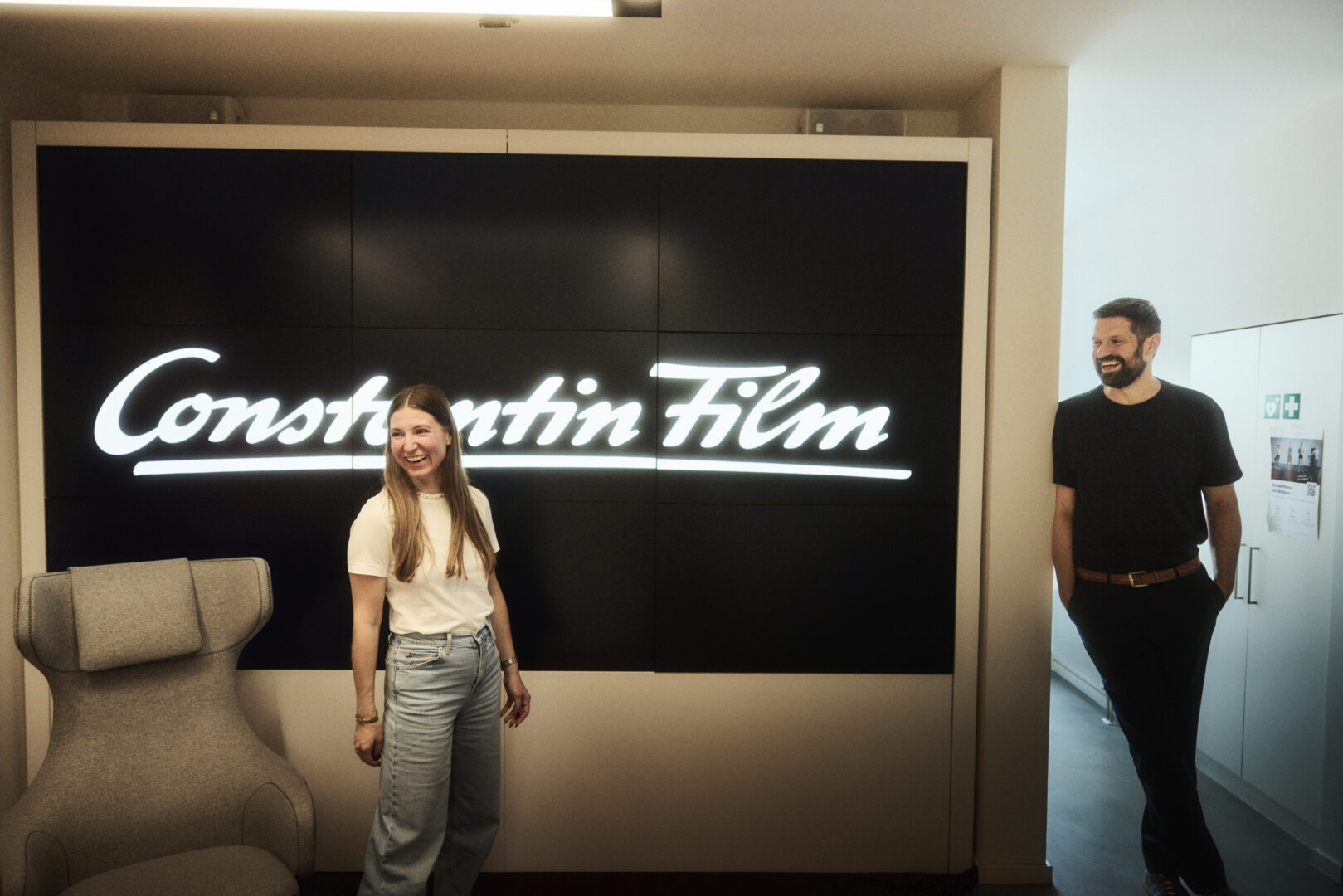
Bannerbild: Constantin Film & Luis Felix Kuhn